0%

Choosing an electric bike in 2026 involves more than comparing motor wattage and advertised range. LFP Battery Electric Bikes are attracting buyers who value thermal stability, long cycle life, and practical ownership. Their lithium iron phosphate cells can be heavier than some alternatives. That trade-off matters when lifting a bike onto stairs. This guide examines current models through a buyer-focused lens. Real roads matter.

We consider battery capacity, usable range, charging behavior, motor response, braking, frame comfort, and after-sales support. Range figures often come from controlled conditions. Wind, hills, rider weight, tire pressure, and cold weather can reduce them. A claimed 70-mile range may feel closer to 45 miles during a hilly commute. We will separate manufacturer specifications from observed use and independent testing where available. Prices, warranty terms, replacement batteries, and certification information also deserve careful attention. These details protect your budget.

The strongest choices should balance dependable performance, repairability, safety features, and honest value. No single bike suits every buyer. A lightweight commuter may outperform a powerful cargo model for daily city travel. Conversely, heavier riders may need stronger wheels, brakes, and frame support. We will identify suitable options for commuting, utility trips, leisure riding, and longer routes. Some rankings may remain uncertain because 2026 availability and pricing can change. That is worth admitting. Use this introduction as a starting point, then verify local support and current specifications before purchase. An informed test ride still beats a polished advertisement.
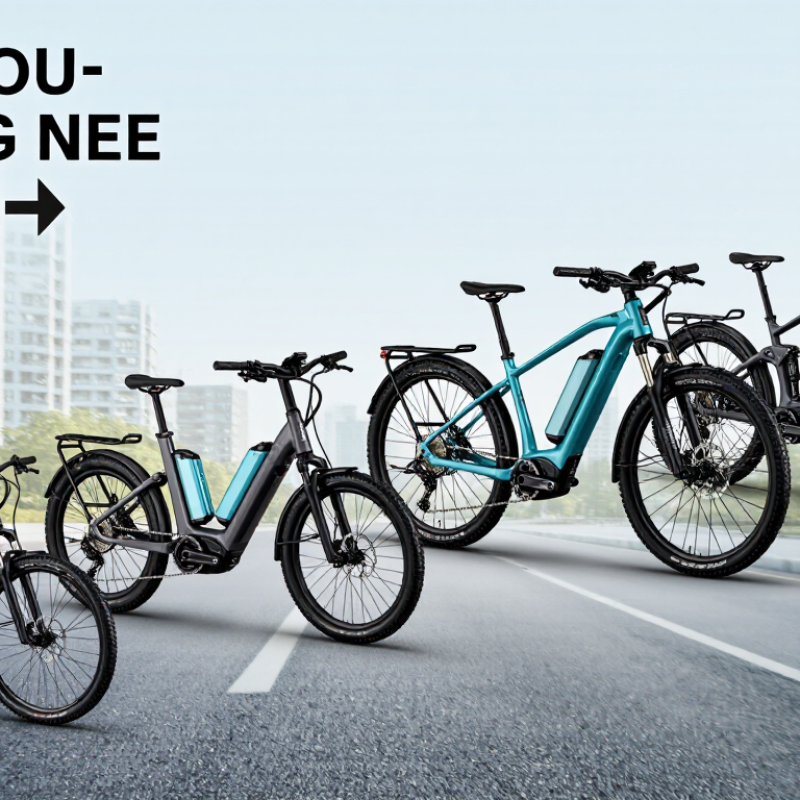
2026 Best LFP Battery Electric Bikes for Buyers?

What Are LFP Batteries and How Do They Work in Electric Bikes?

What Are LFP Batteries and How Do They Work in Electric Bikes?

LFP means lithium iron phosphate, a lithium-ion battery chemistry. Its cells move lithium ions between a graphite anode and phosphate-based cathode. During charging, ions travel toward the anode. During riding, they move back and release electrical energy. Simple in principle.

The chemistry offers strong thermal stability and a lower risk of oxygen release during overheating. That matters beneath an e-bike frame. The International Energy Agency reported that LFP cells represented about 40% of the global electric-vehicle battery market in 2023. LFP batteries also tolerate frequent cycling well, which suits daily commuting. Their main weakness is lower energy density than nickel-based chemistries. The same battery space may provide less range.

An e-bike battery management system monitors voltage, temperature, and current. It balances individual cells and disconnects the pack during abnormal conditions. Buyers should check these protections, not only the advertised amp-hours. A practical test includes charging the battery indoors, checking unusual heat, and recording real distance over several rides. Cold weather can reduce output, even with LFP chemistry. That detail is easy to miss.

LFP packs can feel heavier for the same range. I would not treat “long cycle life” as a guarantee. Charging habits, storage temperature, road load, and cell quality still matter. The U.S. Department of Energy’s battery research shows that operating conditions strongly influence degradation, so specifications deserve careful reading.

What Are the Main Benefits and Trade-Offs of LFP Battery E-Bikes?

LFP batteries can make an electric bike a practical choice for frequent commuting. Their chemistry is generally known for good thermal stability and long cycle life, though real-world results depend on cell quality, battery management, and care. For a rider charging most nights, that durability may matter more than squeezing out the lightest possible setup. Still, “long-lasting” is not a guarantee. A neglected pack can age early, and a well-made battery deserves sensible charging habits.

Tips: Check the battery’s watt-hours, not just its voltage. Store it in a dry place, and follow the maker’s charging guidance. Small habits help.

The main trade-off is weight. LFP packs often need more mass to store the same energy as some other lithium-ion chemistries. You may notice this when lifting the bike up stairs or handling it without motor assistance. Range can also feel less predictable in cold weather, on steep routes, or with heavy cargo. A short test ride cannot reveal every drawback. I would compare the complete bike’s weight and usable range, then consider where and how often it will be charged. For steady urban trips, LFP’s durability and stability can be appealing; for long rides or frequent carrying, its added weight may be a real compromise.

Which Features Matter When Comparing LFP Electric Bikes in 2026?

When comparing LFP electric bikes in 2026, look beyond the battery label. Check the pack’s watt-hours, because that figure helps explain how much energy it stores. Then compare it with the bike’s motor, tire size, rider load, and intended terrain. A large battery can still deliver modest range on steep hills. Ask for realistic range estimates under similar riding conditions.

LFP batteries are often valued for durability and thermal stability, but they can be heavier than some alternatives. That extra weight matters when lifting a bike onto stairs or a car rack. Check whether the battery is removable, how securely it locks, and whether the manufacturer specifies cold-weather charging limits. Never assume every LFP pack behaves the same. The battery management system, charger, and cell quality also affect safety and service life.

Look for clear warranty terms covering both time and battery capacity. A vague promise is less useful than a stated replacement threshold. Confirm that replacement packs and qualified repairs will remain available. Inspect the display for useful battery information, not just a row of bars. Test the bike on a route with a hill, if possible. One short test won’t predict years of use, and advertised cycle-life figures rarely tell the whole story.

How Can Buyers Match an LFP E-Bike to Their Riding Needs?

Matching an LFP e-bike starts with an honest look at your daily route. Measure the round-trip distance, note steep sections, and include the weight of bags or a child seat. A larger battery may help on longer rides, but it can add weight. LFP cells are known for good cycle life and thermal stability; however, their lower energy density can mean a bulkier pack than some alternatives. Check the battery’s watt-hours, not just a seller’s estimated range. Range changes with rider weight, hills, wind, tire pressure, and assist level. Real rides are rarely perfect.

Think about where you will charge and store the bike. A removable battery can be useful in an apartment, while a heavy pack may be awkward to carry upstairs. In cold weather, battery output and charging behavior can change, so follow the maker’s temperature guidance. Short urban trips may suit a modest pack and an easy-to-handle frame. For hilly commutes or regular cargo, test the bike on a similar incline before buying. Pay attention to braking, low-speed control, and how the bike feels when the battery is depleted. A specification sheet cannot tell you that. One useful test: ride your usual route, then check how much charge remains. Estimates can disappoint.

What Safety and Maintenance Practices Help LFP Batteries Last Longer?

LFP batteries are generally valued for thermal stability, but no chemistry is risk-free. Use the charger specified for your bike, and inspect its cable and plug for cuts, looseness, or heat damage. Stop charging if you notice swelling, unusual odor, smoke, or a casing that feels unusually hot. Keep the battery away from heaters, open flames, and damp areas. A dry, ventilated space matters.

Charge on a firm surface, not beneath coats or near paper piles. Stay nearby while charging, and unplug the charger when the battery is full. Avoid riding with a loose battery; vibration can wear connectors and interrupt power. After a wet ride, wipe the case and contacts gently. Do not open the pack or probe its terminals. Small metal tools can bridge contacts. That can be dangerous.

For longer storage, follow the bike maker’s guidance on charge level and temperature; recommendations differ by pack design. Check the battery every few weeks and recharge if its level becomes very low. In daily use, avoid deep discharges when practical, and let a hot pack cool before charging. I have found that rushing this step is easy to do after a long ride. It is not a habit worth keeping. Record changes in range or charging time, and ask a qualified technician to inspect persistent problems.

FAQS

What does LFP mean in an electric-bike battery?

LFP means lithium iron phosphate. Lithium ions move between the battery’s electrodes during charging and riding.

What are the main benefits of LFP batteries?

They offer thermal stability and handle frequent charging cycles well. That can suit daily commuting. They are not risk-free.

What is a common drawback of LFP batteries?

They usually store less energy in the same space than some other battery chemistries. The pack may also feel heavy.

How can I estimate an LFP e-bike’s real-world range?

Check the battery’s watt-hours and consider the motor, hills, tires, and rider load. Test a familiar route; one short ride is not enough.

What battery safety features should I check before buying?

Look for a battery management system that monitors voltage, temperature, and current. Check that it balances cells and can disconnect the pack during abnormal conditions.

How should I charge an LFP e-bike battery safely?

Use the specified charger on a firm, dry, ventilated surface. Keep it away from paper piles and heaters. Stop charging if the pack becomes unusually hot.

What should I do if the battery looks or smells unusual?

Stop charging if you notice swelling, an unusual odor, smoke, or excessive heat. Do not open the pack; ask a qualified technician to inspect it.

How can I care for the battery after a wet or long ride?

Wipe the case and contacts gently after wet rides. Let a hot battery cool before charging. I sometimes rush that step; it is worth correcting.

What should I check when comparing warranties and replacement options?

Read the time and capacity terms, including any stated replacement threshold. Confirm that replacement packs and qualified repairs will remain available.

How should I store an LFP battery for longer periods?

Follow the bike maker’s guidance on charge level and temperature. Check it every few weeks, and recharge if its level becomes very low.

Conclusion

LFP Battery Electric Bikes use lithium iron phosphate cells to store energy and power an electric motor. In 2026, they may appeal to riders who value durability, stable performance, and a potentially long service life. Their chemistry is generally known for good thermal stability, but LFP packs can be heavier or bulkier than some alternatives, so they may offer less range for the same battery size. Buyers should weigh these trade-offs rather than judging a bike by battery capacity alone.

When comparing models, consider usable range, charging time, battery weight, motor assistance, frame design, braking, and how easily the battery can be removed or serviced. Match these features to your routes, riding frequency, and storage options: daily commuters, recreational riders, and people tackling longer trips may have different priorities. To help a battery last, follow the manufacturer’s charging and storage guidance, keep it dry and within recommended temperature limits, inspect it for damage, and use only a compatible charger.


Amelia

Amelia

Amelia is a professional marketing specialist who combines strategic insight, clear communication, and deep product knowledge to help audiences make informed decisions. As a key contributor to our company’s content and marketing initiatives, she regularly publishes practical, research-driven......