
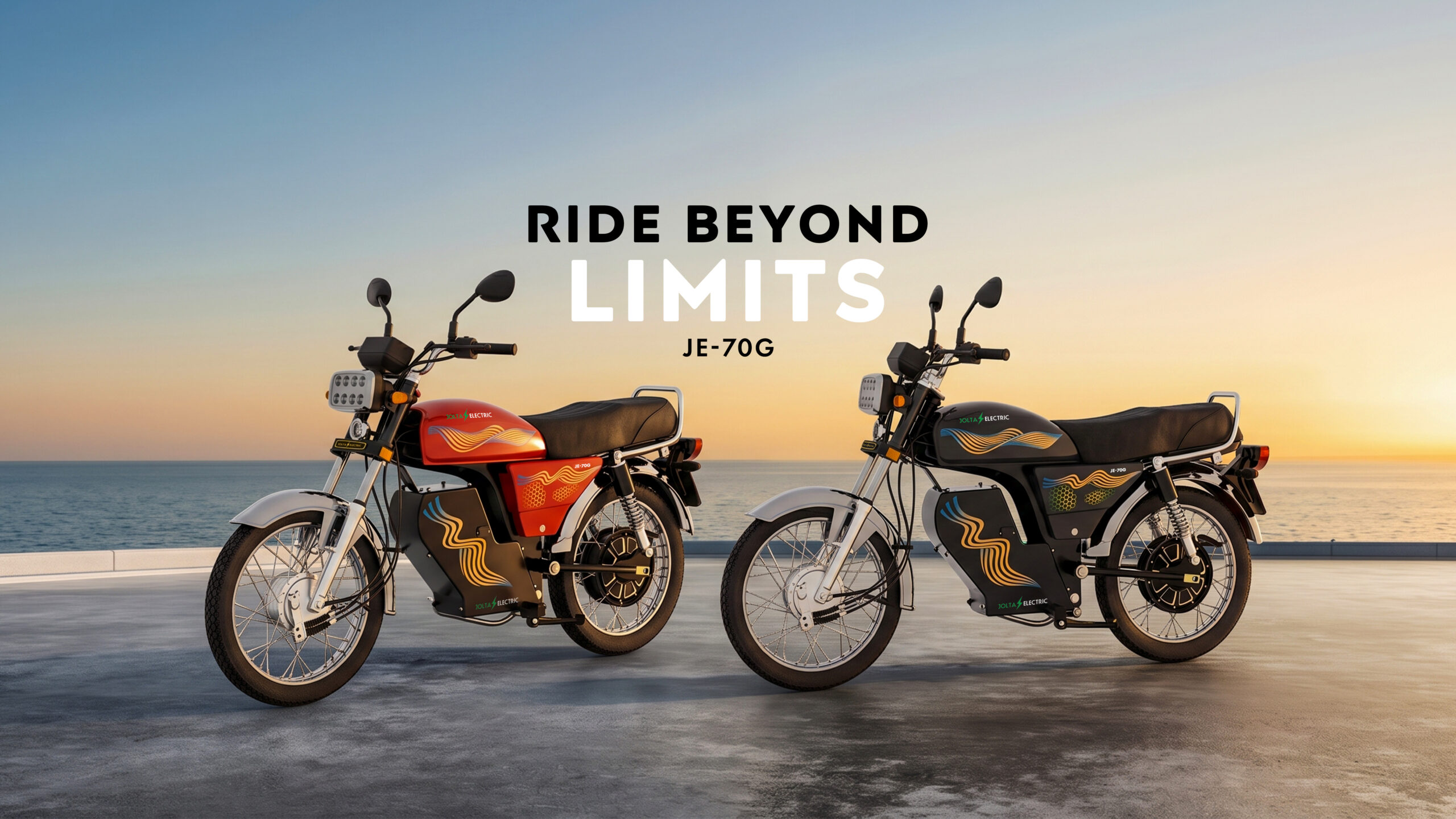
Flagship MotorcycleLFP Tech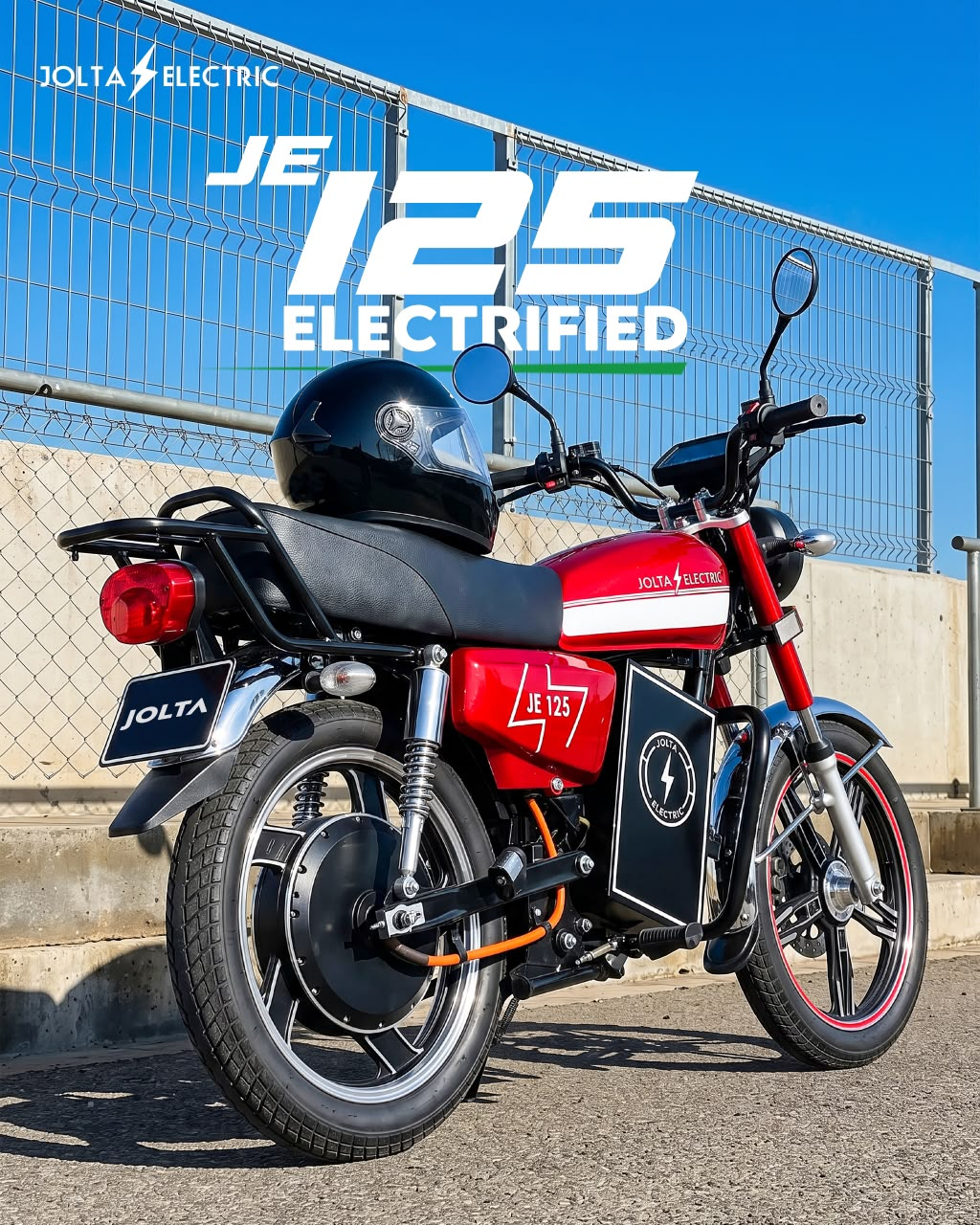
JE-125L
Alloy Rims · F/R Hydraulic Disc · NFC Smart Key
Top Speed80 km/hRange100–120 kmMotor Power2000 W BLDCBattery60V 50Ah LFP
As the global transportation landscape pivots aggressively toward zero-emission powertrains, procurement directors, municipal logistics operators, and automotive importers face an urgent engineering mandate: selecting an electric two-wheeler manufacturing partner capable of delivering structural longevity, high thermal tolerance, and scalable supply chain integrity.
Headquartered at Askari Corporate Tower, Gulberg III, Lahore, with our primary heavy-vehicle assembly plant situated on Sue Asil Road, Jolta Electric stands as Pakistan's pioneer in electric two-wheeler manufacturing. Operating under the visionary leadership of Founder & CEO Dr. Mohammad Amjad alongside Managing Director Shahzaib Amjad, Director Zohaib Amjad, and Director Jahanzaib Amjad, Jolta has transitioned clean mobility from a theoretical luxury into an indispensable industrial asset.
Our facility designs, stress-tests, and mass-produces 15 distinct electric vehicle platforms. From 500 W urban last-mile scooties to 2000 W heavy-duty commuter motorcycles equipped with Lithium Iron Phosphate (LFP) chemistry, Jolta provides end-to-end OEM and CKD/SKD assembly capabilities built specifically for high-ambient heat, demanding road topographies, and intensive daily commercial duty cycles.
Analyzing shift patterns in international two-wheeler procurement, thermal chemistry selection, supply chain localization, and commercial fleet total cost of ownership (TCO).
The global market for two-wheeled mobility is undergoing a systemic transition. International buyers are moving away from traditional internal combustion engine (ICE) platforms due to volatile fuel prices, stringent tailpipe emission mandates, and high recurring maintenance costs. However, early-stage EV deployments revealed significant vulnerabilities in standard consumer-grade electric bikes, particularly when subjected to extreme tropical ambient temperatures and continuous heavy loading.
For years, Nickel Manganese Cobalt (NMC) dominated the light EV market due to its slightly higher gravimetric energy density. However, global procurement intelligence demonstrates a major industry pivot toward Lithium Iron Phosphate (LFP) chemistry for high-utilization commercial two-wheelers. LFP battery packs exhibit superior thermal runaway thresholds (decomposing at ~270°C compared to ~210°C for NMC), rendering them fundamentally safer in extreme climates where ambient temperatures frequently surpass 40°C–45°C.
Furthermore, LFP cells deliver 2,500 to 3,500 full charge cycles at 80% Depth of Discharge (DoD), whereas NMC packs typically deteriorate after 800 to 1,200 cycles. For fleet managers and international distributors, this cycle life longevity reduces replacement capital expenditure by over 60% over a five-year operating horizon.
Emerging economies across South Asia, Africa, South America, and the Middle East are enforcing higher import tariffs on Completely Built Units (CBU) to encourage local employment and industrialization. Forward-thinking buyers prioritize manufacturers offering Completely Knocked Down (CKD) and Semi Knocked Down (SKD) assembly kits.
By standardizing structural chassis geometry, modular wiring looms, and universal motor controller protocols, Jolta Electric enables global partners to import high-density container shipments, minimizing freight fees per unit while fulfilling domestic content compliance mandates.
Field data collected across 10,000+ active deployment units demonstrates that vehicles equipped with passive-cooled LFP packs maintain 91% capacity retention after 36 months of continuous urban delivery cycles in high-humidity ambient environments. Conversely, standard lead-acid and unmanaged NMC alternatives suffer up to 38% capacity loss under identical operational stresses within 12 months.
The legacy era of 36V and 48V low-speed electric scooters is rapidly drawing to a close for mainstream commuter and commercial applications. Global market demand requires vehicles capable of maintaining 60 km/h to 80 km/h cruising speeds while navigating 15-degree gradients under 150 kg payloads. Modern manufacturing facilities must standardize on 60V and 72V brushless direct current (BLDC) hub motors and permanent magnet synchronous motors (PMSM), integrated with high-efficiency vector controllers (FOC) to achieve energy conversion efficiencies above 92%.
Built on rigorous quality control, in-house structural engineering, and end-to-end after-sales infrastructure.
Our dedicated manufacturing facility on Sue Asil Road, Lahore, spans automated assembly lines, robotic chassis welding, electro-coating dip tanks, and end-of-line computerized dynamometer testing rigs.
Integrated Smart Battery Management Systems (BMS) continuously monitor individual cell voltage, internal resistance, and ambient temperatures, preventing overcharge, over-discharge, and thermal runaway.
Guided from our head office at Askari Corporate Tower, Gulberg III, CEO Dr. Mohammad Amjad and the executive board enforce strict quality assurance, transparent dealer terms, and financial reliability.
Jolta's manufacturing credibility is validated by partnerships with major banking institutions and inclusion in official national electrification programs like the PAVE Scheme.

Matching specific two-wheeler powertrain architectures to fleet use-cases, urban transit, and last-mile commercial logistics.
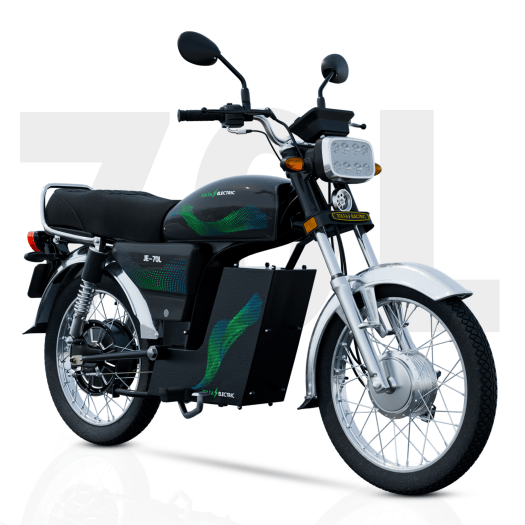
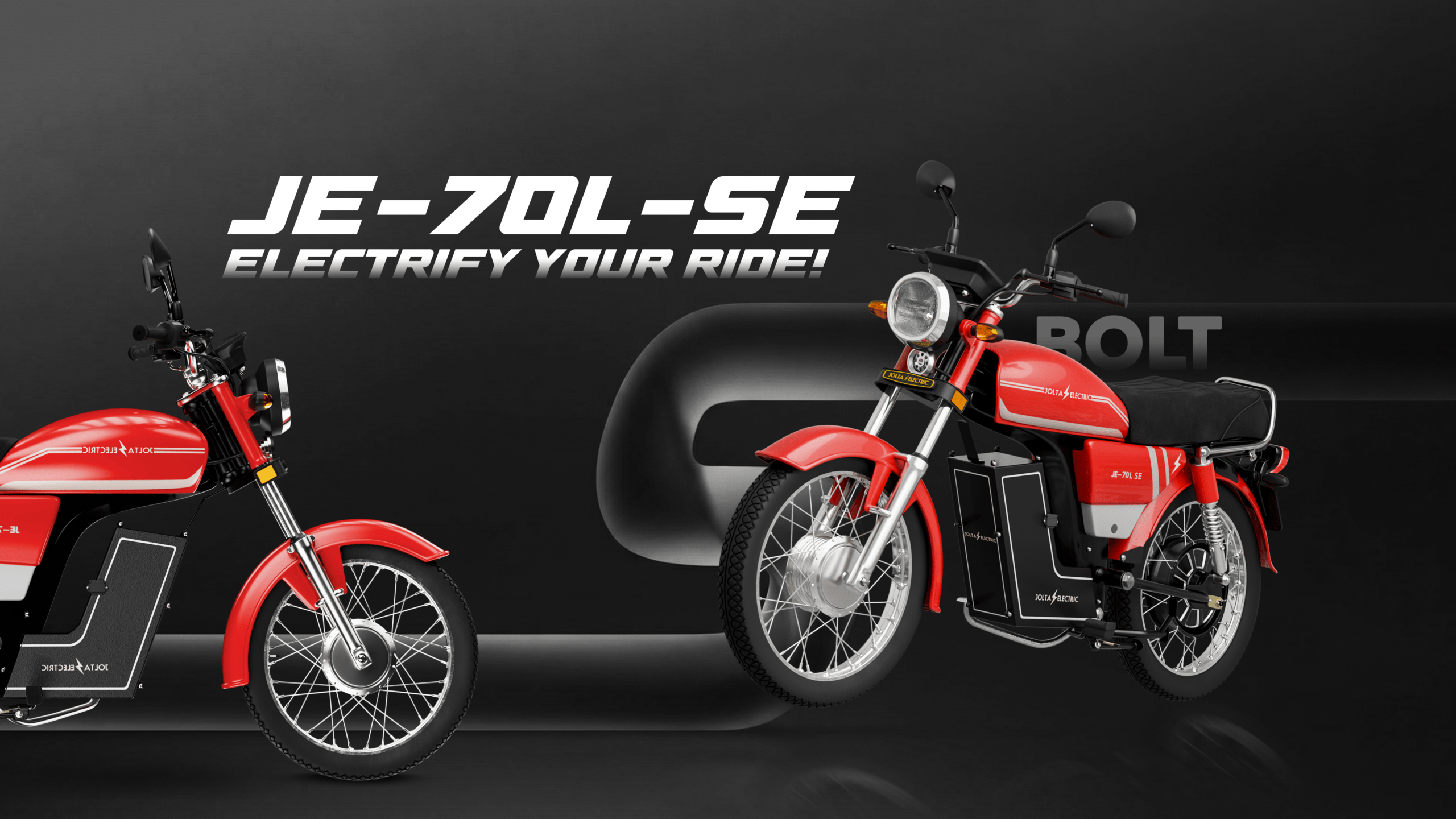
Engineered with heavy-gauge steel backbone frames, dual rear shock absorbers, and motorcycle-grade wheels. Purpose-built for daily commuter routes, courier fleets, and rugged rural-urban transit.
View Motorcycle Models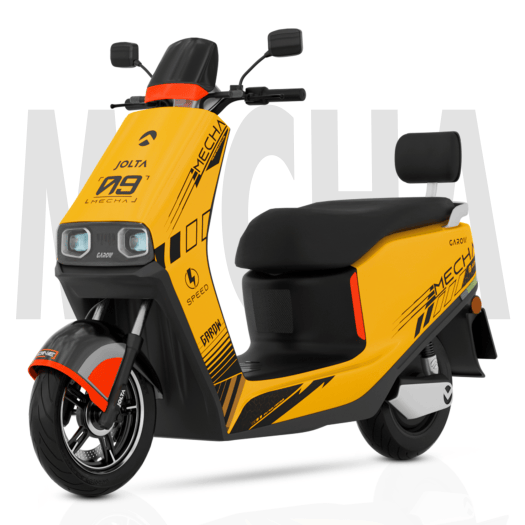
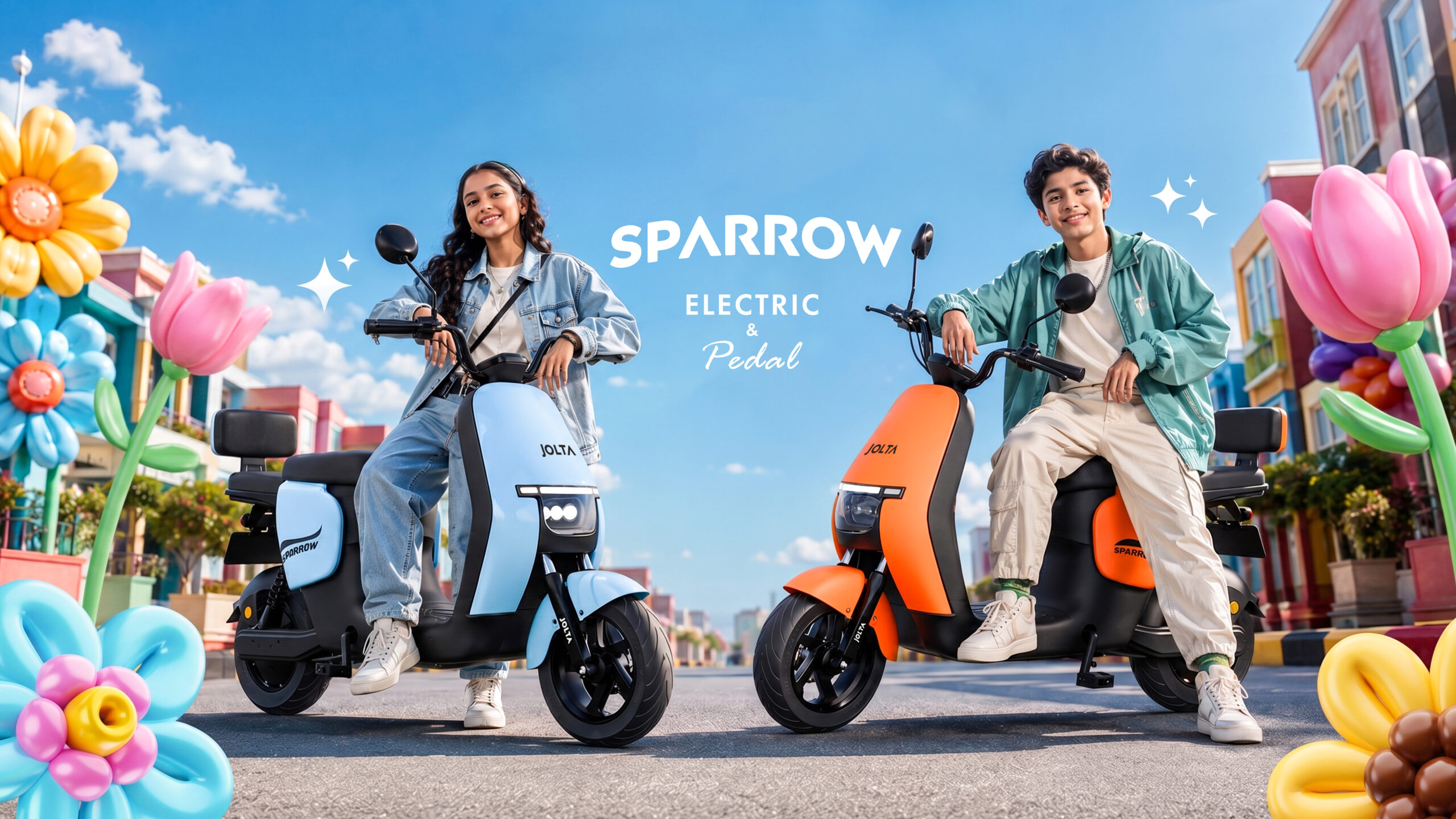
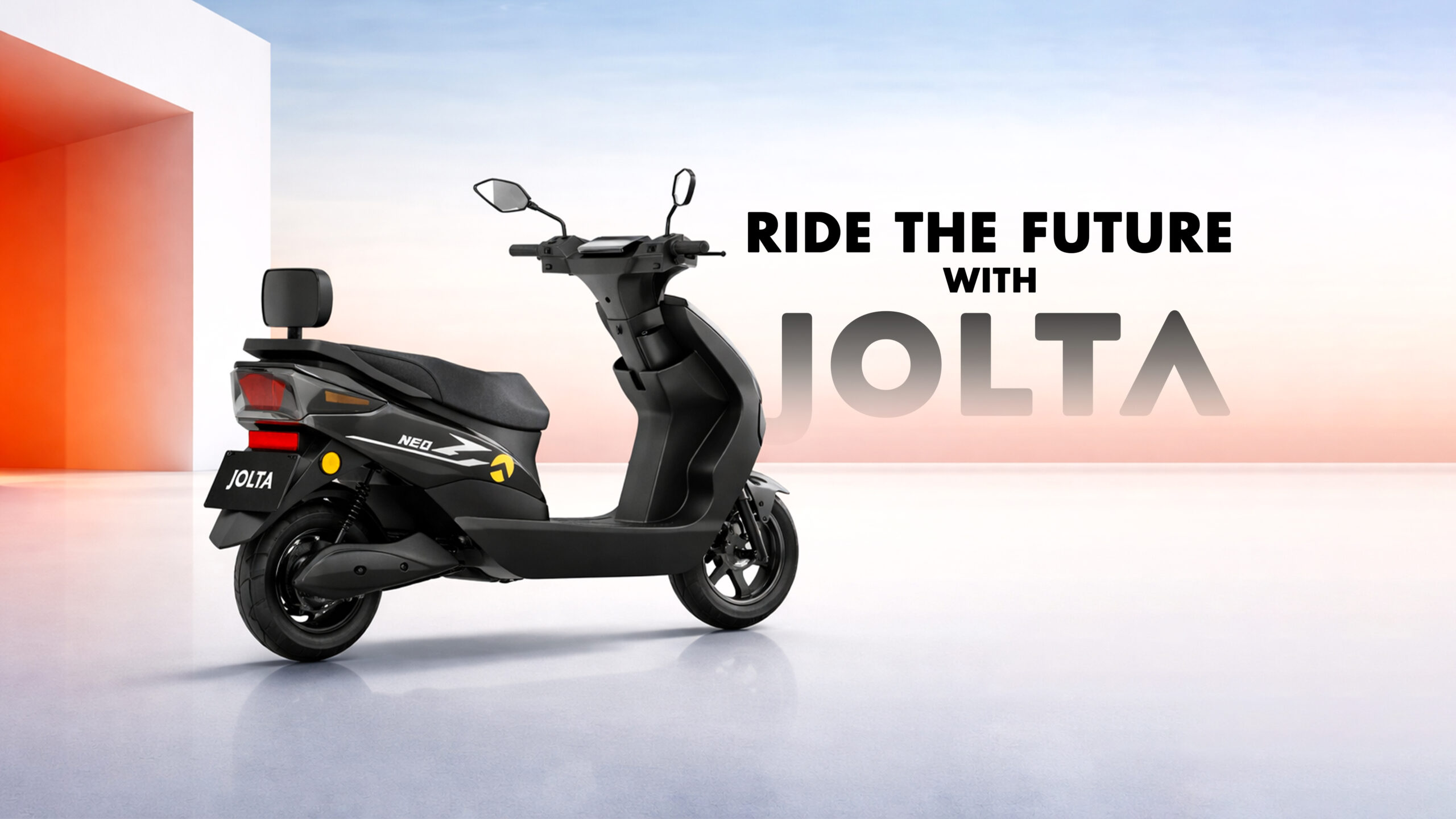
Features low step-through ergonomics, flat floorboards for cargo carrying, under-seat storage compartments, and high-torque BLDC hub motors. Ideal for passenger transit and commercial deliveries.
View Scooter ModelsCompare performance parameters, motor ratings, battery chemistries, and wheel configurations across our entire fleet.
Showing 15 of 15 models
Alloy Rims · F/R Hydraulic Disc · NFC Smart Key
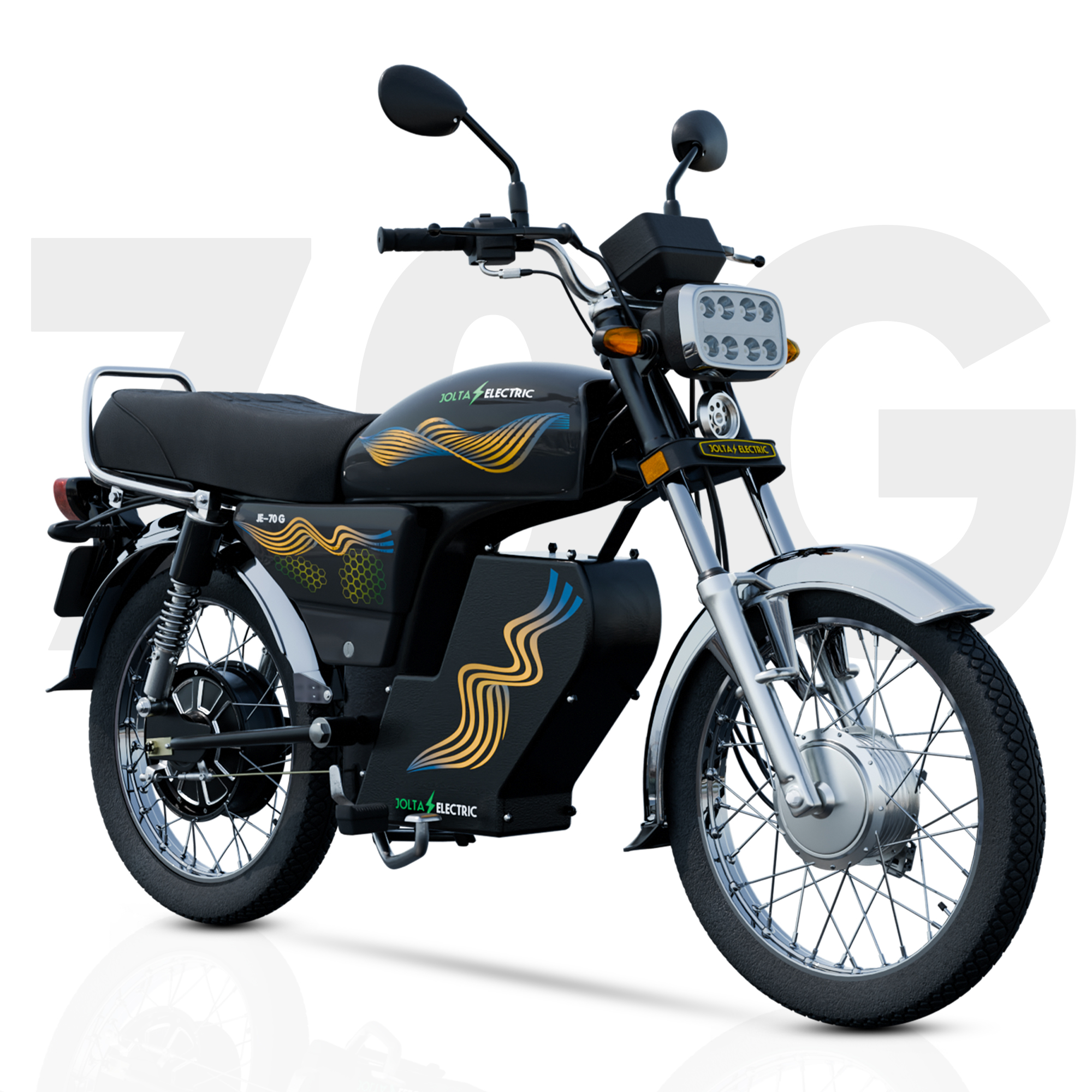
High-Value Commuter Architecture
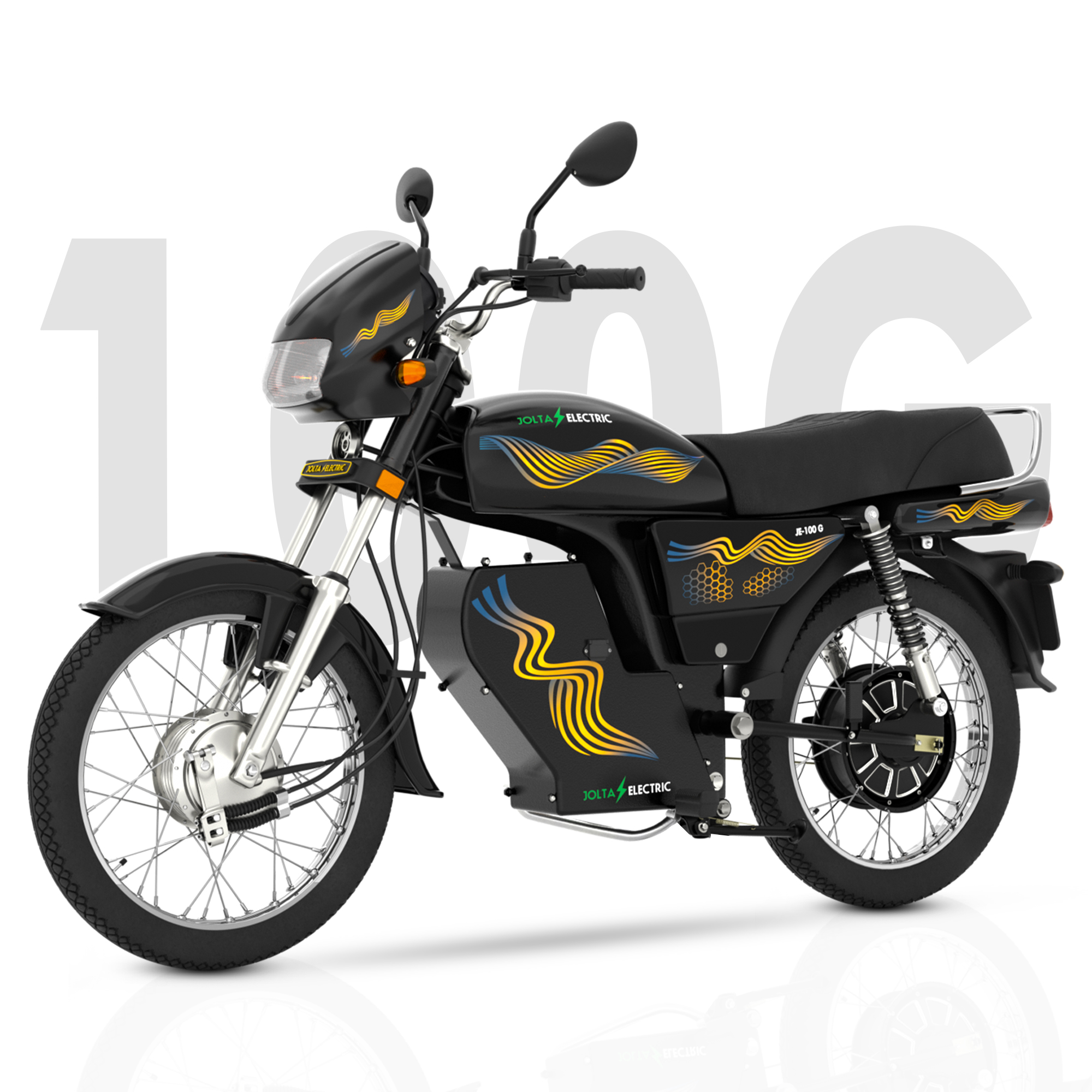
Classic 100cc Utility Frame Replacement
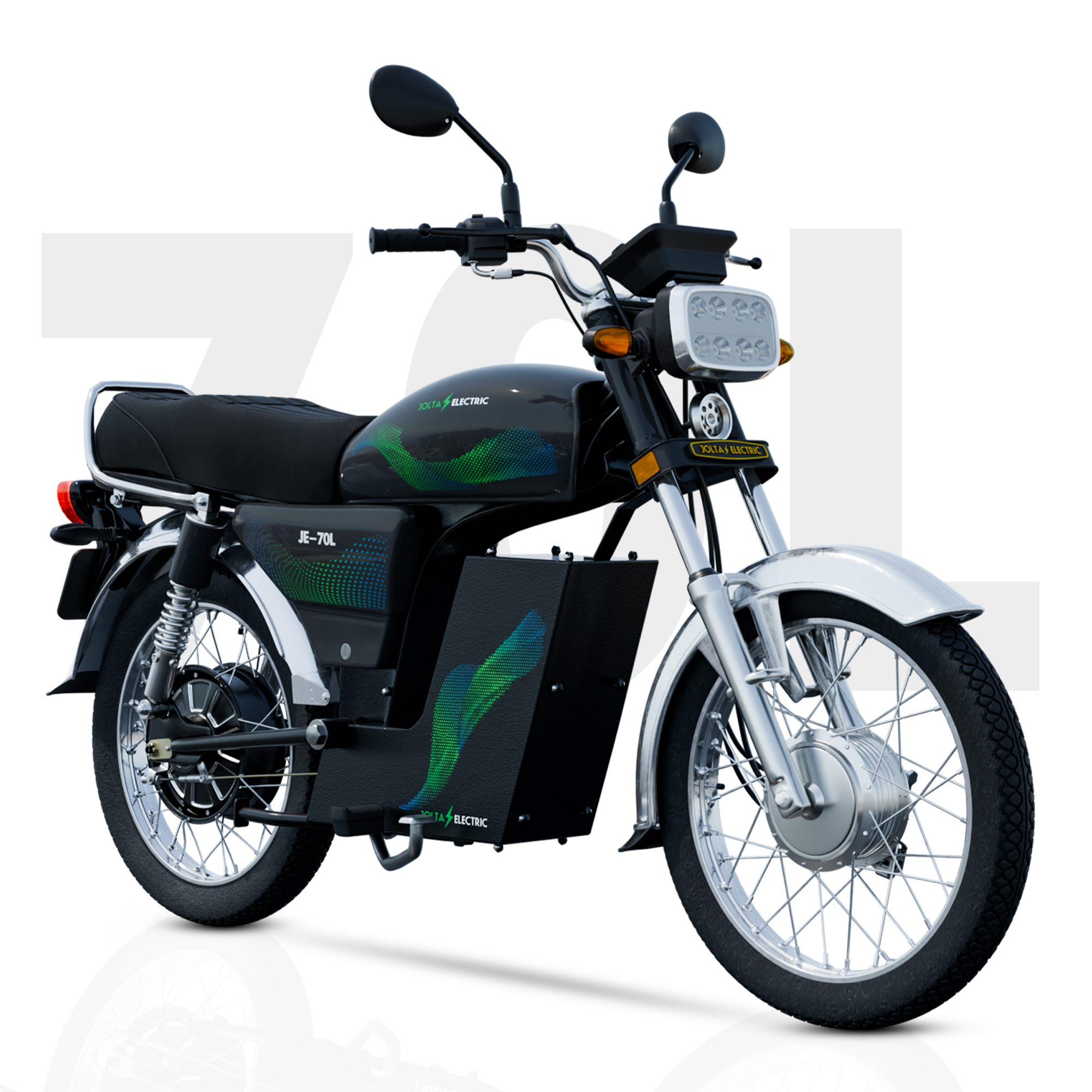
Commercial Fleet LFP Powerpack
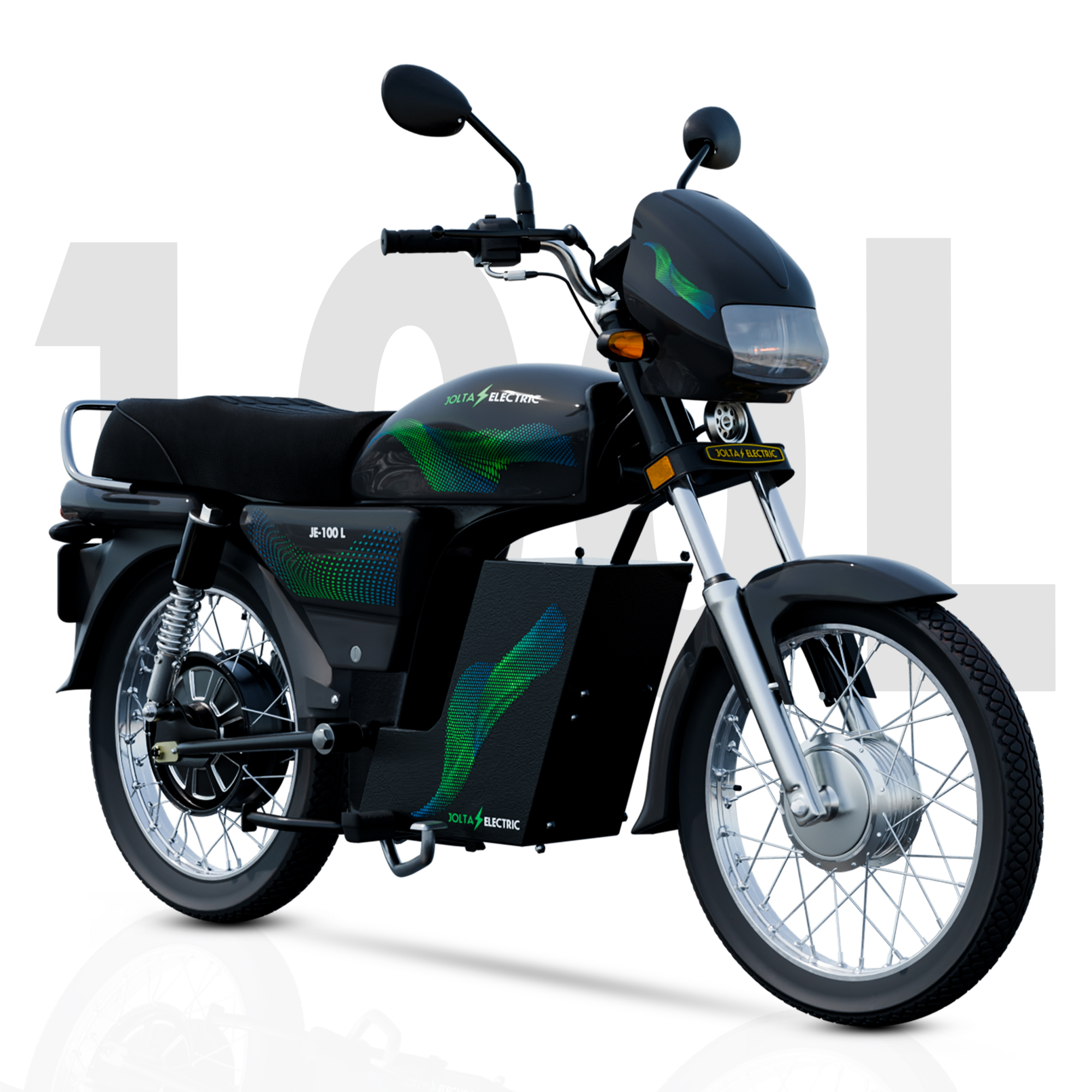
Extended Wheelbase Heavy Chassis
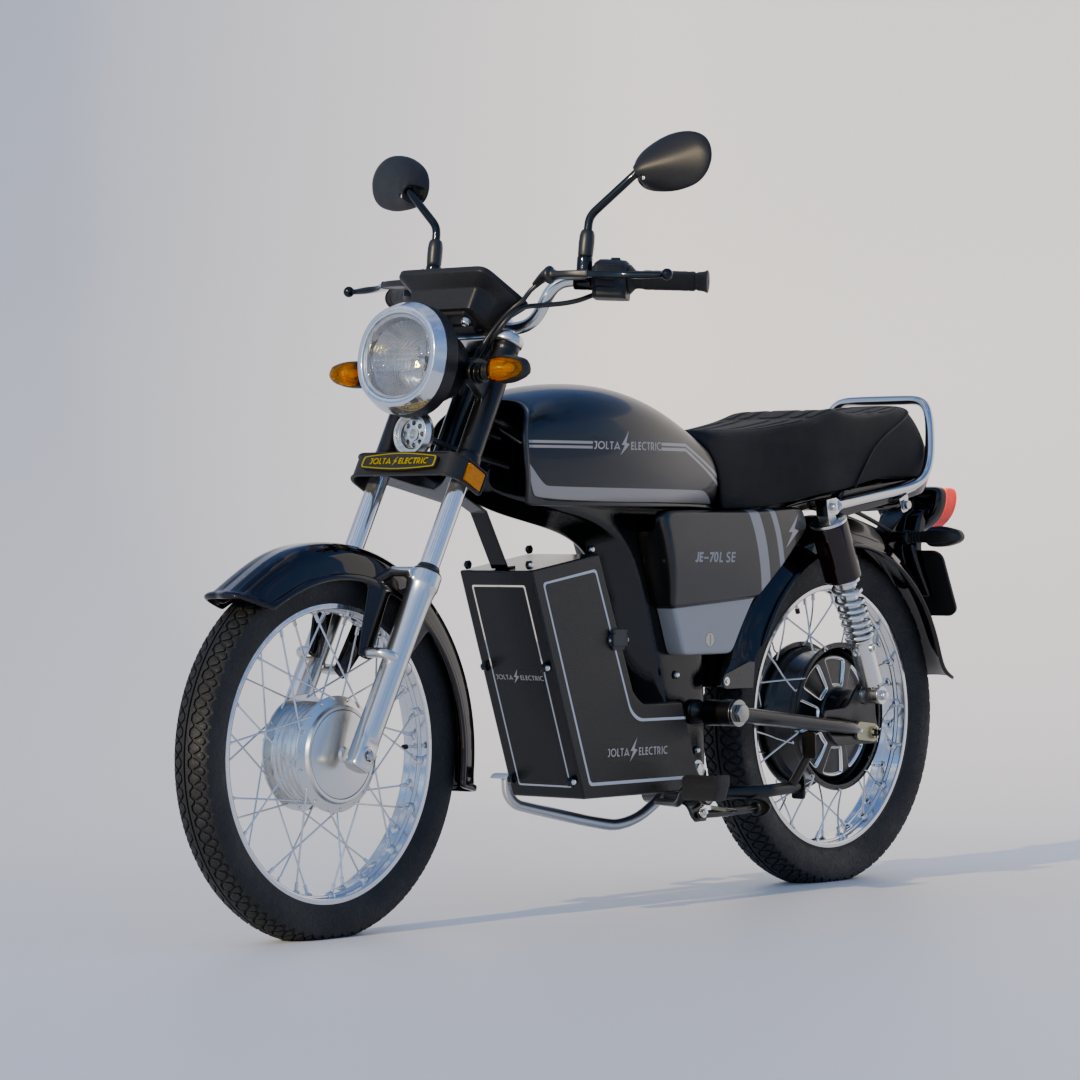
Spoke Rim · Heavy Duty Drum Brakes
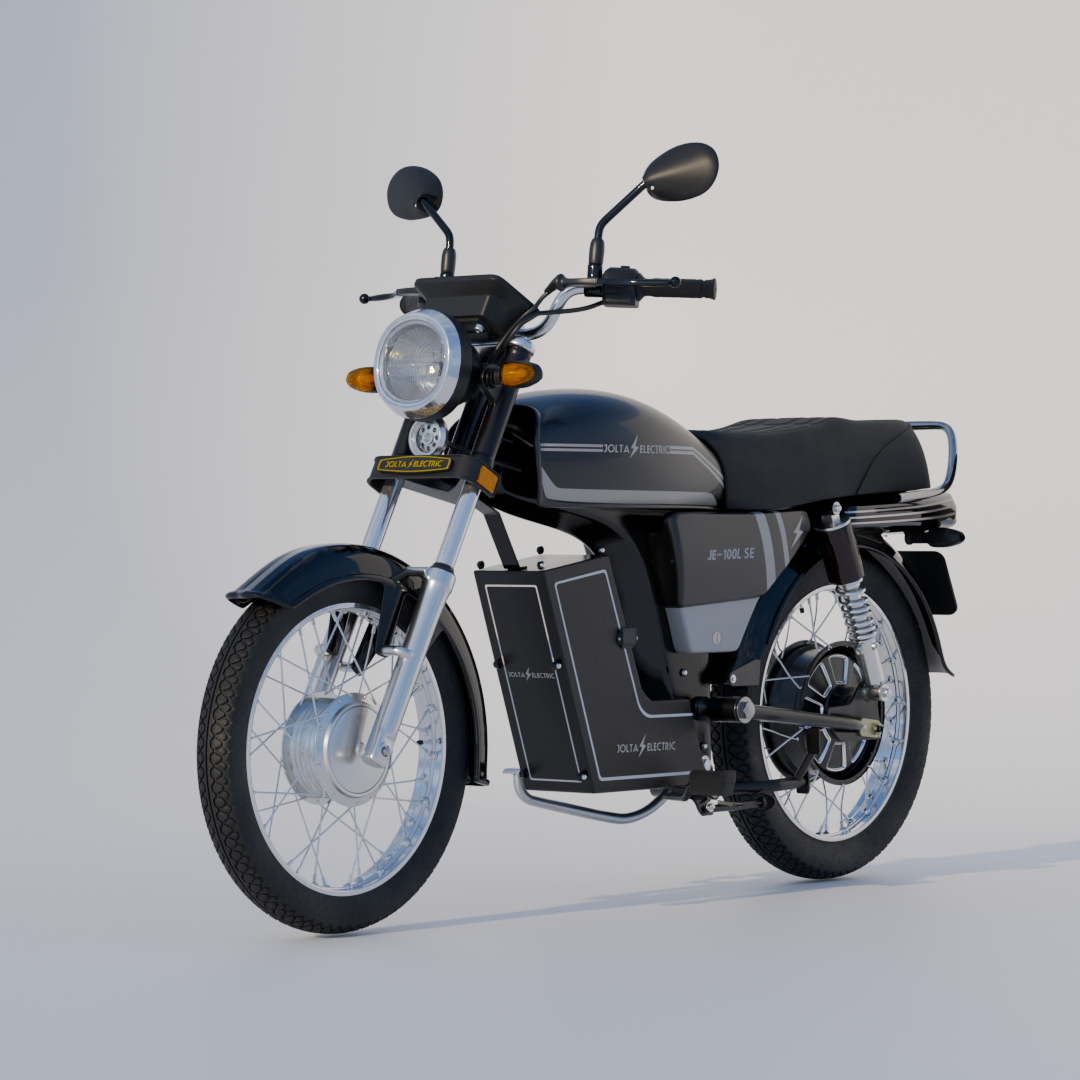
Spoke Rim · Reinforced Suspension
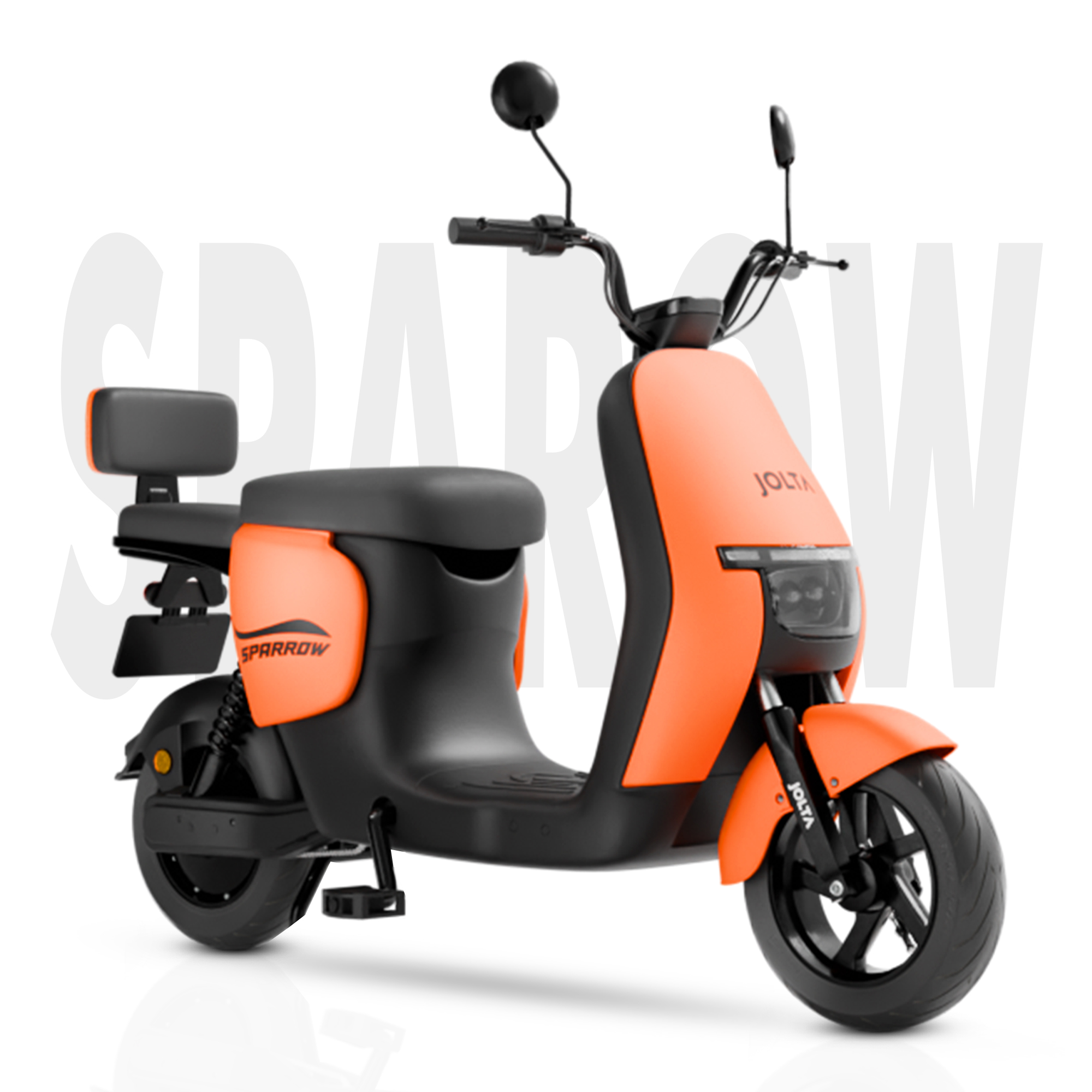
Lightweight Micro-Mobility Solution
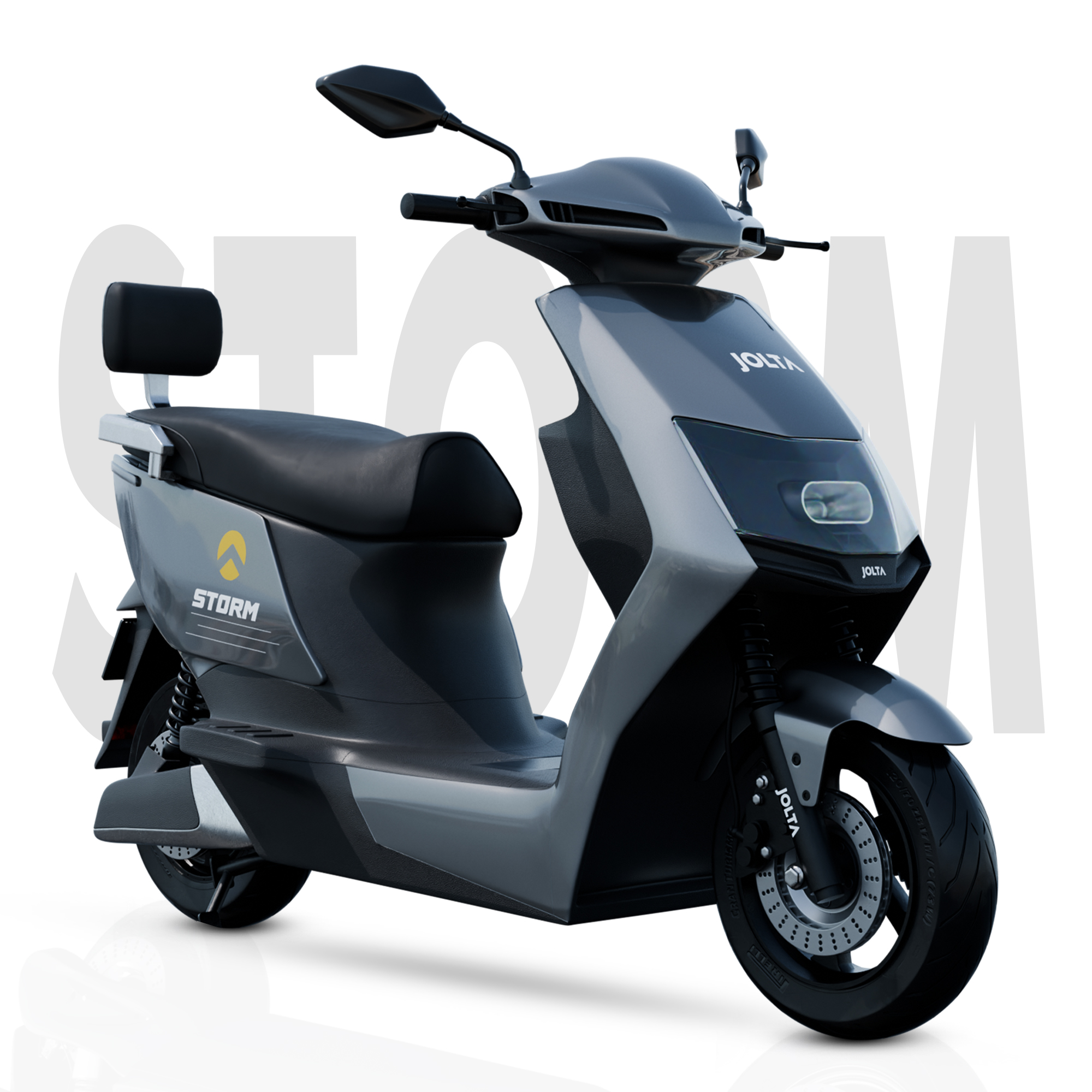
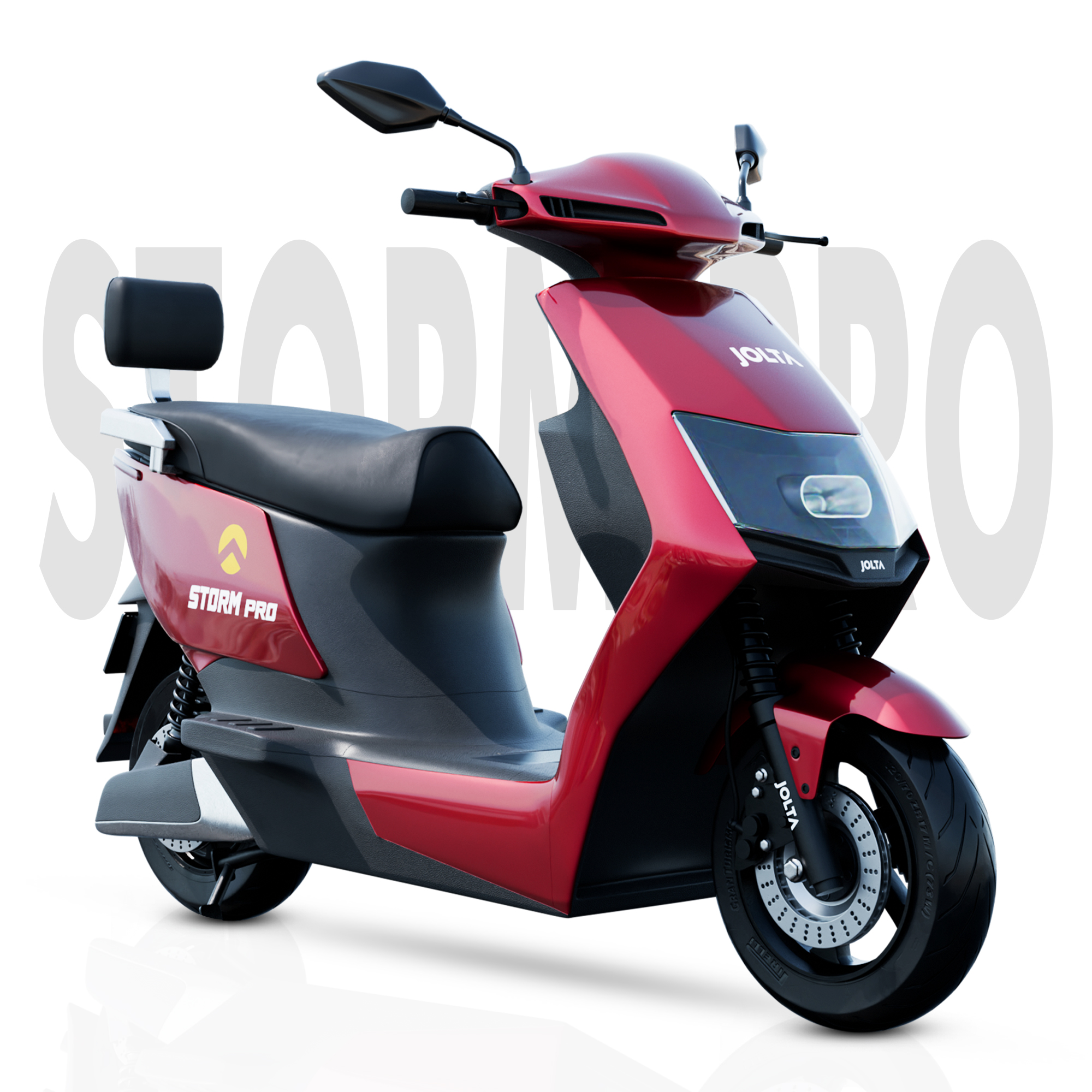
High-Capacity Battery Enclosure
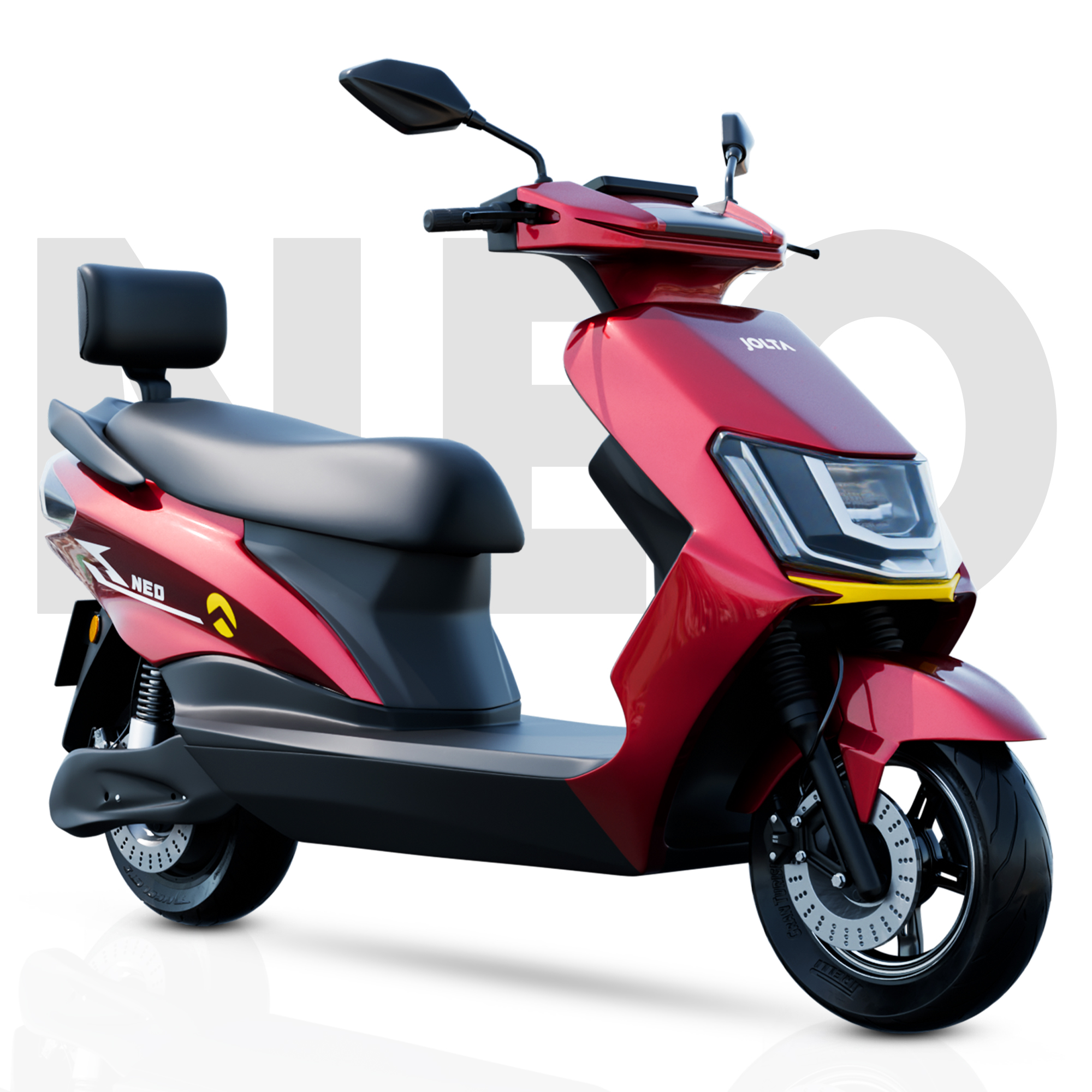
Aerodynamic Polycarbonate Bodywork
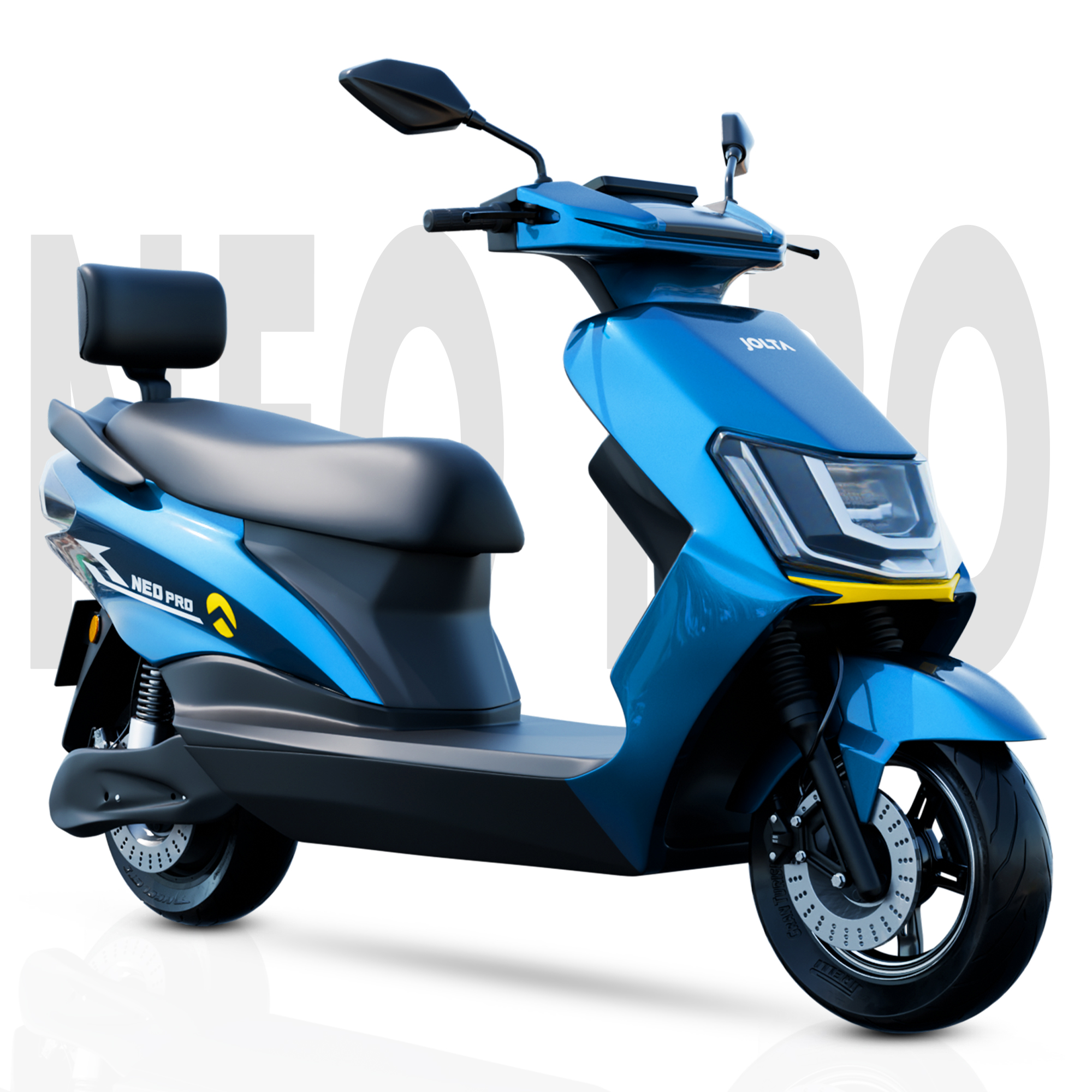
Enhanced Torque & extended Range
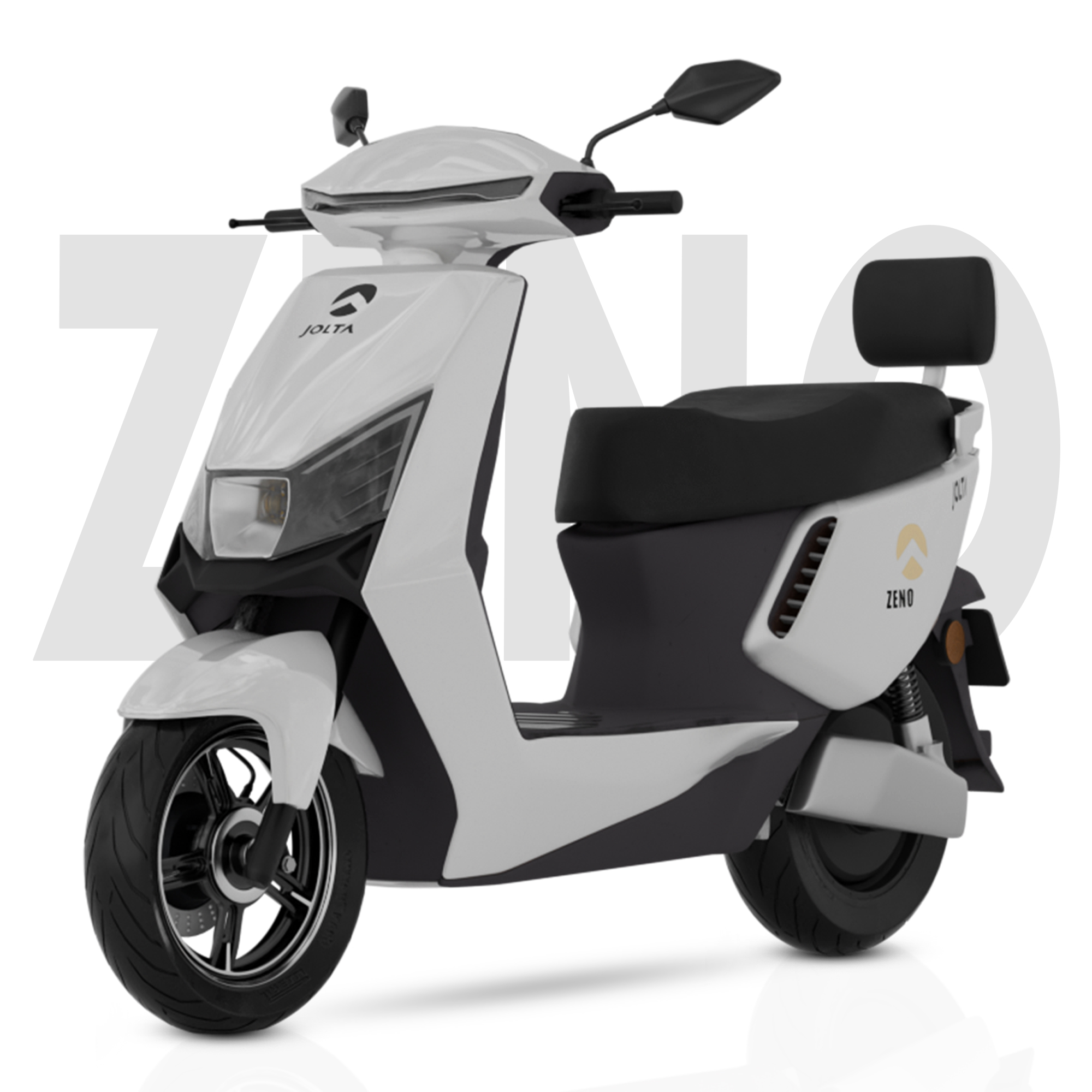
High Torque Gradient Climber
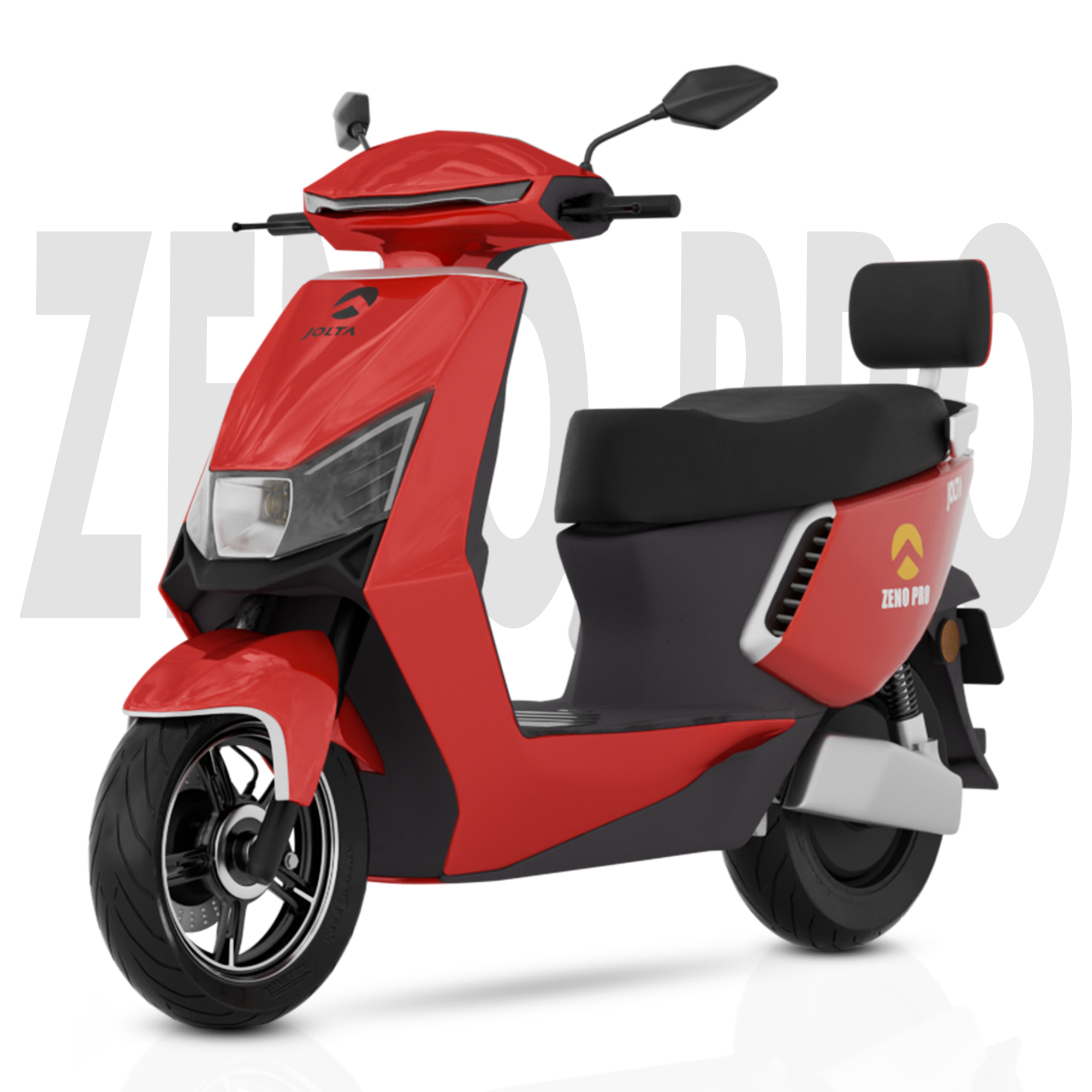
Long-Range 72V Architecture
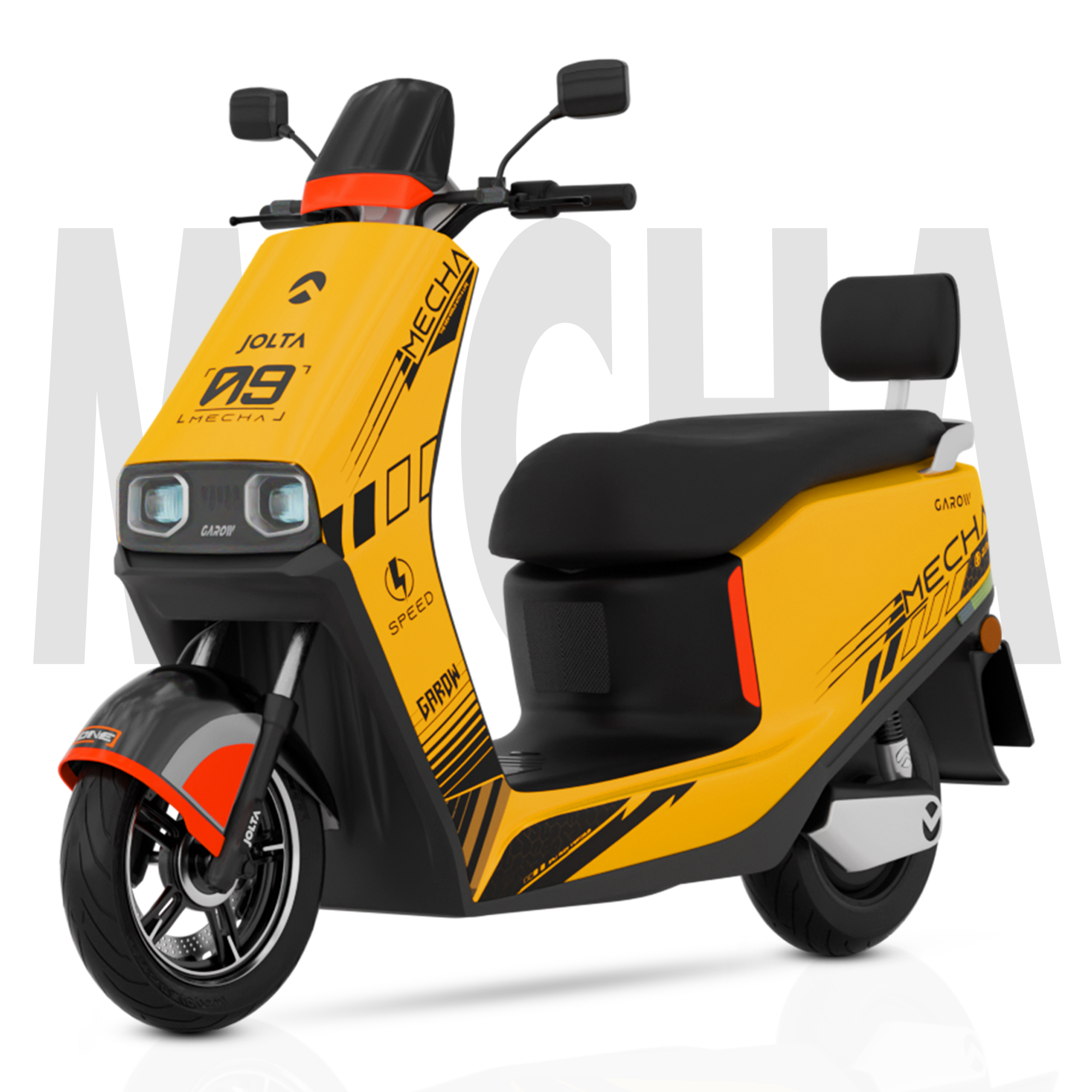
Heavy Payload Commercial Platform
To assist international procurement engineers and fleet evaluation committees, the technical matrix below summarizes structural parameters across key platform tiers:
| Platform Tier | Nominal Voltage | Battery Chemistry | Peak Motor Output | Payload Capacity | Charging Time (0-100%) |
|---|---|---|---|---|---|
| Flagship (JE-125L) | 60V System | LFP (LiFePO4) | 2000 W BLDC | 180 kg | 3.5 – 4.5 Hours |
| Special Edition (SE Bolt / Apex) | 60V System | LFP (LiFePO4) | 1500 W BLDC | 160 kg | 4.0 – 5.0 Hours |
| Heavy Commercial (Mecha) | 72V System | Deep Cycle / LFP Optional | 2000 W High-Torque Hub | 200 kg | 4.5 – 5.5 Hours |
| Urban Commuter (Storm/Neo/Zeno) | 60V – 72V System | Maintenance-Free GEL / LFP | 800 W – 1200 W | 140 kg | 4.0 – 6.0 Hours |
How next-generation battery integration, smart BMS telemetry, and structural automation are reshaping light EV production.
Understanding where electric two-wheeler manufacturing is heading over the next decade is critical for distributors making long-term supply chain commitments. Our engineering R&D division continuously monitors four key technological vectors:
Modern commercial fleets require real-time visibility into vehicle location, battery State of Health (SoH), State of Charge (SoC), and predictive maintenance telemetry. Future electric two-wheelers are evolving from isolated mechanical vehicles into connected Internet-of-Things (IoT) nodes.
By embedding CAN-bus protocol controllers linked to 4G/5G telematics modules, Jolta's manufacturing roadmap enables enterprise fleet managers to remotely monitor thermal anomalies, receive anti-theft geofencing alerts, and optimize route energy usage through cloud analytics.
Traditional EV battery pack design relies on individual cells arranged into modules, which are subsequently housed in external casings. The industry is rapidly shifting toward Cell-to-Pack (CTP) engineering, eliminating intermediate modular frames.
By integrating LFP prismatic cells directly into the vehicle frame chassis, structural rigidity is enhanced by up to 25% while volumetric energy density increases by 15%–20%. This design paradigm permits larger capacity battery configurations without compromising rider legroom or ground clearance.
As commercial delivery operators push daily mileage requirements beyond 200 km, traditional overnight AC charging (4 to 6 hours) creates operational bottlenecks. Manufacturing innovations are focusing on high C-rate LFP cell formulations capable of receiving 1C to 2C fast-charging currents.
Integrated with intelligent thermal dissipation channels, next-generation platforms can charge from 20% to 80% capacity within 25 to 35 minutes, maximizing fleet vehicle uptime during shift changes.
Evaluate motor wattage, battery chemistry, top speed, and braking specifications side-by-side to determine fleet compatibility.
Compare the operational expenditure of petrol motorcycles versus Jolta's high-efficiency electric two-wheelers.
Calculated based on standard benchmark of 35 km/L for 70cc ICE bikes vs PKR 1.6/km electric charging cost.
Accelerating EV adoption through structured financial underwriting, dealership floorplan financing, and public clean mobility initiatives.

Combining decades of industrial manufacturing engineering, financial stewardship, and international business strategy.

Pioneer of Pakistan's electric two-wheeler manufacturing sector, spearheading industrial technology investment and EV policy framework.

Directs operational scaling, nationwide dealership expansion, and international OEM partnership initiatives.

Oversees strategic capital allocation, fiscal planning, and component supply chain risk management.

Leads green mobility innovation, product lifecycle sustainability, and smart vehicle technology integration.
An electric vehicle platform is only as dependable as the technical support backing it. Jolta ensures uninterrupted operations through standardized spare parts supply, technician certification programs, and direct factory technical assistance.
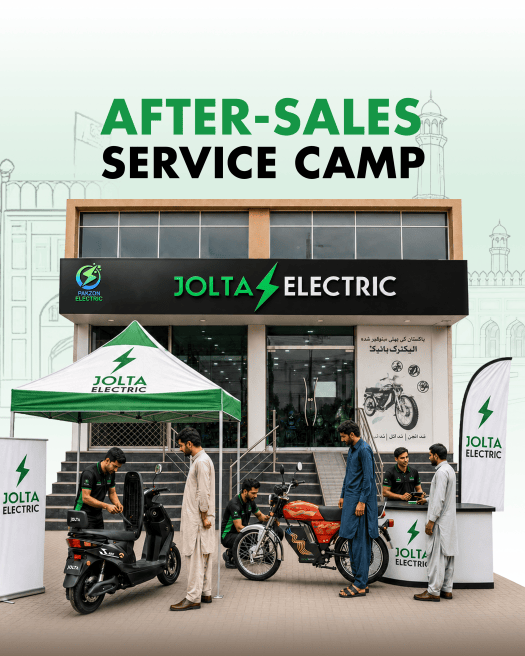
Request our comprehensive technical brochure, factory audit specifications, pricing matrices, and global OEM/CKD export terms today.