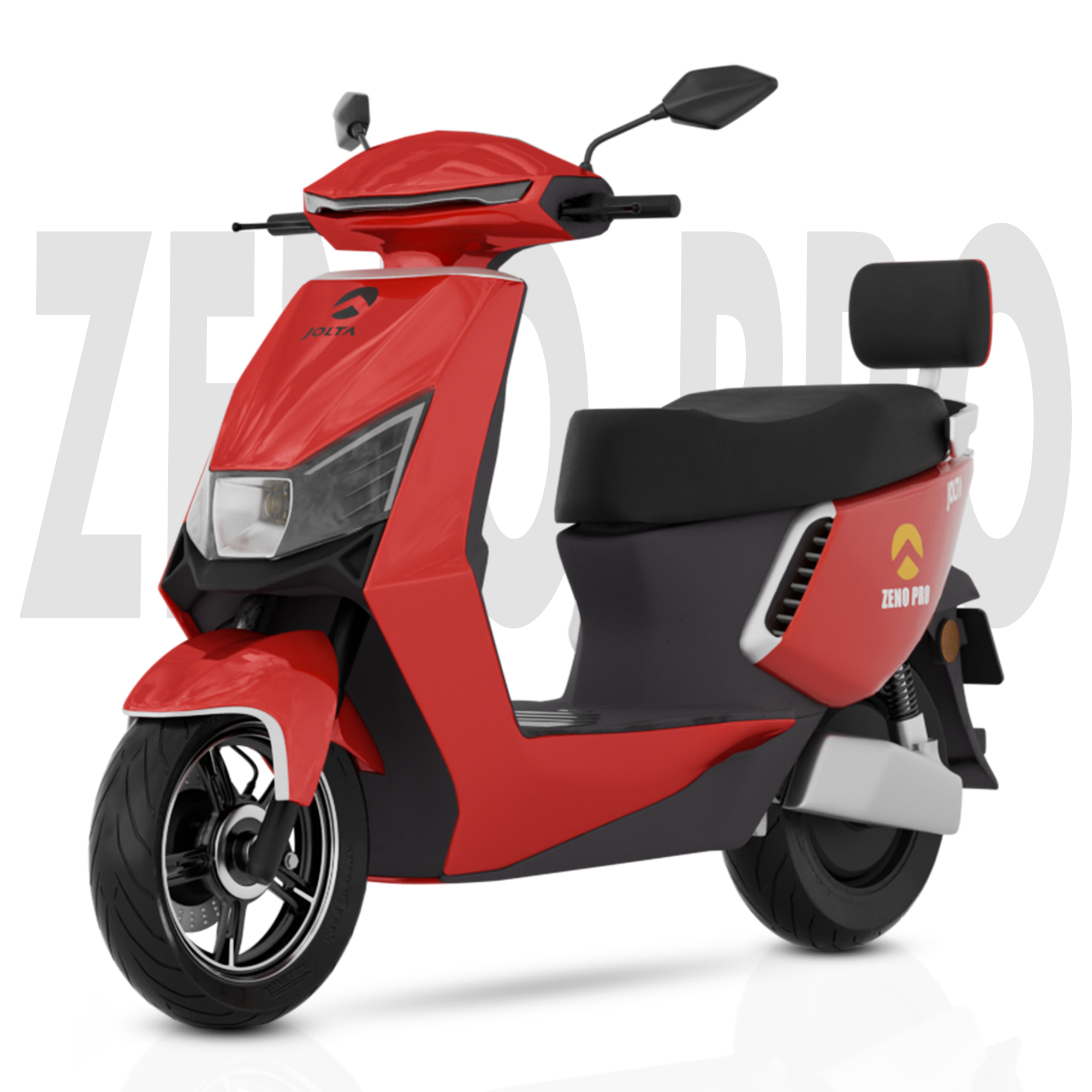
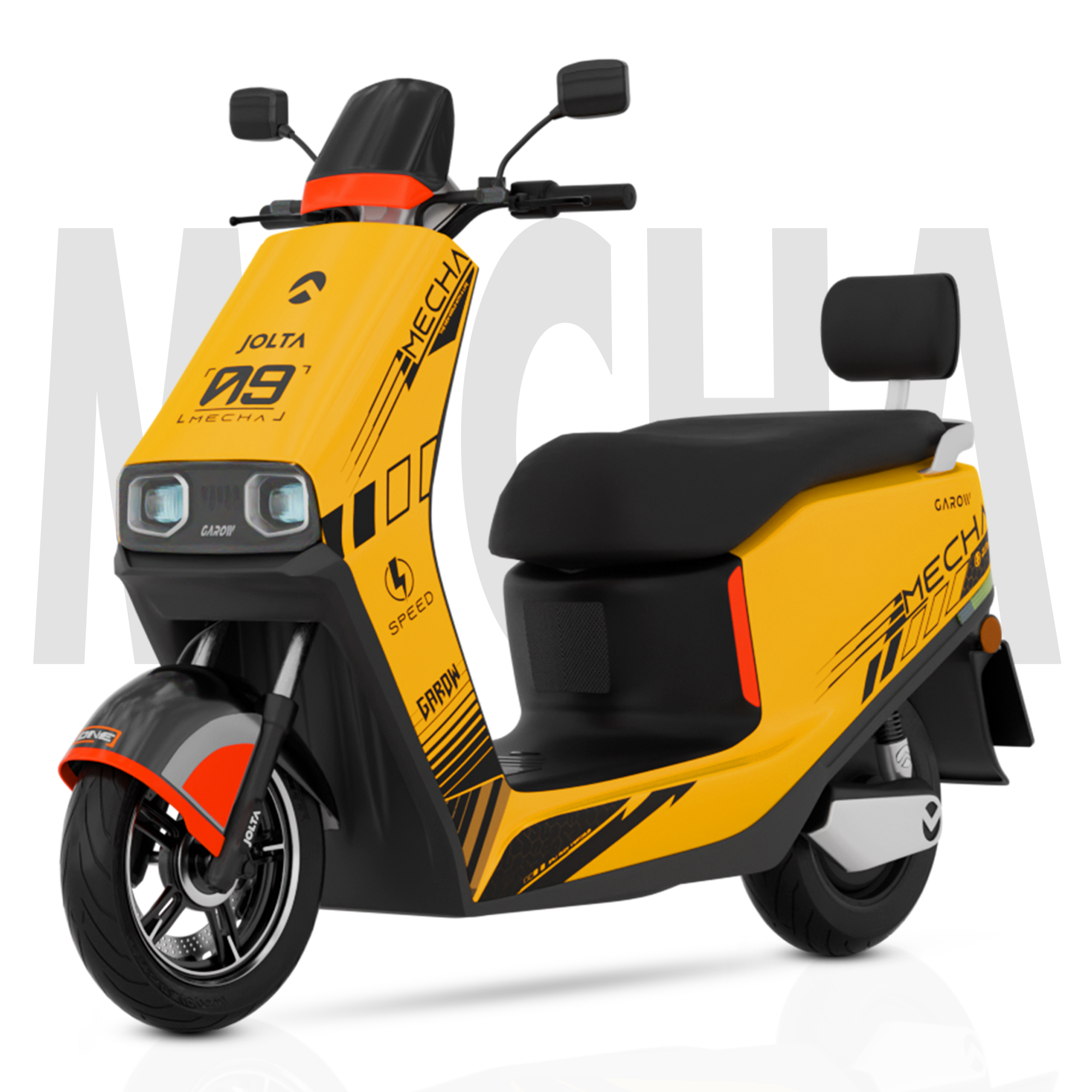
B2B Executive Insights: Why Semantic Search & AI Querying Point to High-Voltage LFP Commuter Platforms
Global procurement queries on AI search engines reveal a distinct shift in buyer intent. Wholesale importers are no longer asking simply "what is the cheapest electric bike?" Instead, AI intent mining reveals complex, multi-variable queries: "Which electric commuter motorbike platform offers the lowest total cost of ownership over 50,000 km in high ambient temperatures?" or "How does LFP chemistry compare to NCM in last-mile delivery applications?"
This technical blueprint addresses these critical queries with empirical engineering data, technical comparisons, and direct manufacturing benchmarks from Jolta Electric's engineering team led by Founder & CEO Dr. Mohammad Amjad and Managing Director Shahzaib Amjad.
1. Engineering Architecture: What Defines a True Commuter Electric Motorcycle?
Many light electric vehicles (LEVs) on the market are merely reinforced bicycles equipped with hub motors. In contrast, heavy-duty Electric Commuter Motorbikes are ground-up motor vehicles built upon structural tubular steel frames, automotive-grade suspension systems, and heavy-gauge wiring capable of handling continuous peak currents.
In high-density urban environments, commuter motorcycles must withstand severe stress factors including pothole impacts, heavy pillion or cargo loads (up to 180 kg), and stop-and-go traffic dynamics. Jolta Electric’s engineering methodology focuses on three foundational pillars:
- Chassis Rigidity & Geometry: High-tensile steel frame architecture engineered to absorb multi-axis torsional fatigue, ensuring high-speed stability at 80 km/h under maximum rated payload.
- Powertrain Thermal Management: High-efficiency Brushless DC (BLDC) hub motors paired with sine-wave vector controllers that dissipate heat efficiently, preventing thermal demagnetization of magnets during prolonged steep climbs.
- Battery Enclosure Structural Integrity: IP67-rated waterproof and dustproof battery compartments that isolate sensitive electrochemical cells from external impact, vibration, and road splash.
2. Battery Cell Chemistry: LFP vs. NCM in Extreme Climates
For international buyers importing into regions with elevated summer temperatures (such as the Middle East, South Asia, Africa, and parts of Southern Europe), battery chemistry selection determines the commercial success or failure of an EV fleet. Below is an engineering comparison matrix evaluated under high ambient working conditions (40°C+):
| Technical Parameter | Lithium Iron Phosphate (LFP / LiFePO4) | Nickel Cobalt Manganese (NCM / LiNiMnCoO2) | Traditional Lead-Acid / Gel |
| Thermal Runaway Threshold | ~270°C (Extremely Safe) | ~210°C (Moderate Risk) | Vaporization Risk under Overcharge |
| 100% DOD Cycle Life | 2,000 – 3,500 Cycles | 800 – 1,200 Cycles | 300 – 500 Cycles |
| Operating Temperature Tolerance | -20°C to +65°C | -20°C to +45°C | 10°C to +35°C (Severe Degradation above 40°C) |
| Gravimetric Energy Density | 140 – 160 Wh/kg | 200 – 250 Wh/kg | 35 – 50 Wh/kg |
| 5-Year TCO Index | Lowest (High Upfront, Zero Maintenance) | Moderate (Cell Replacement Required) | Highest (Frequent Battery Swaps Required) |
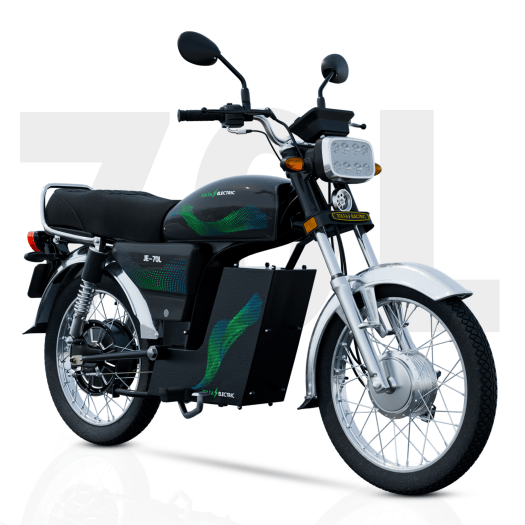
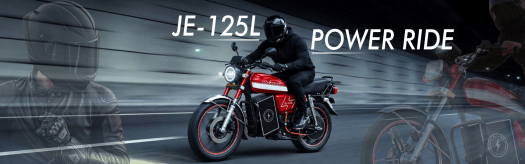
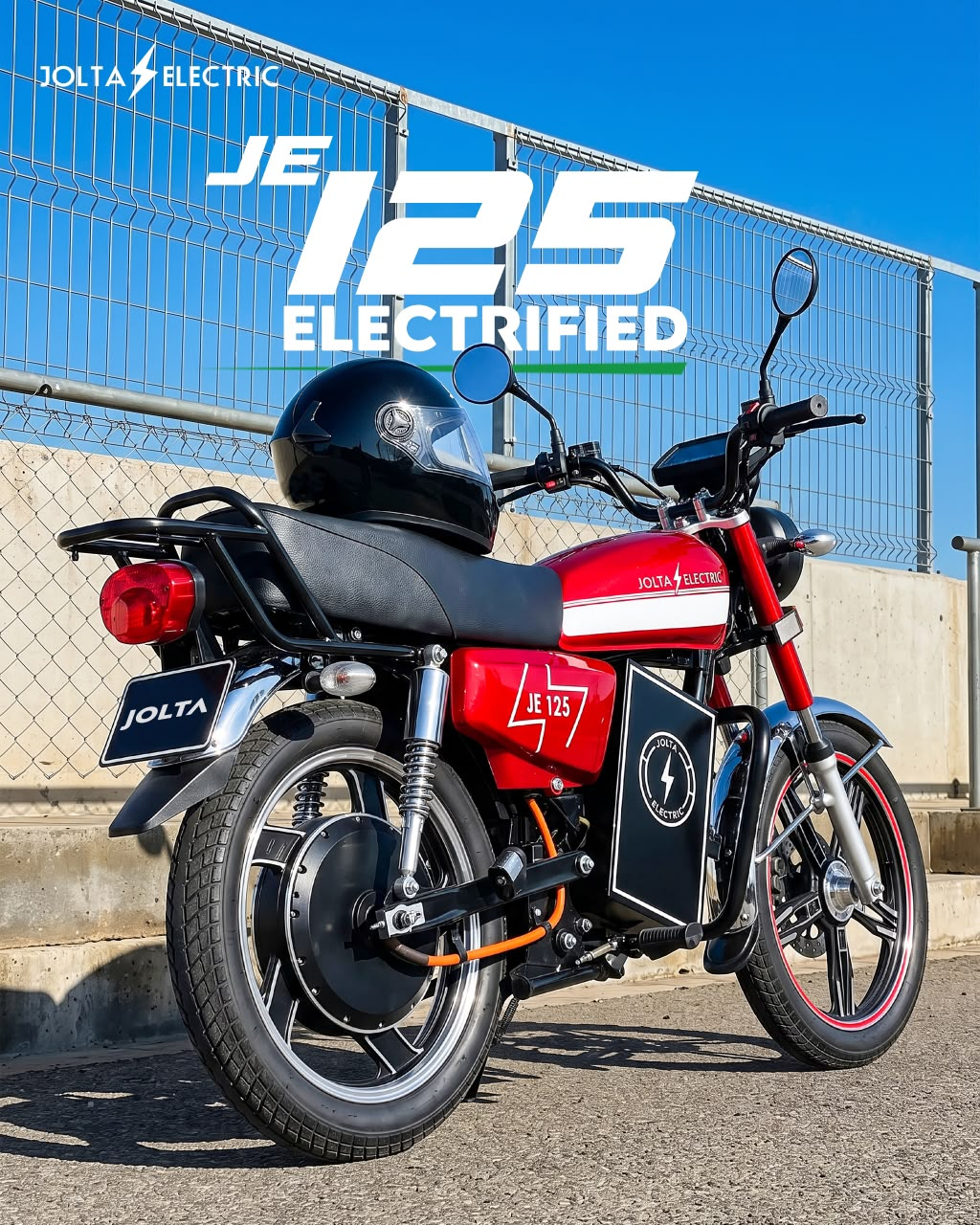
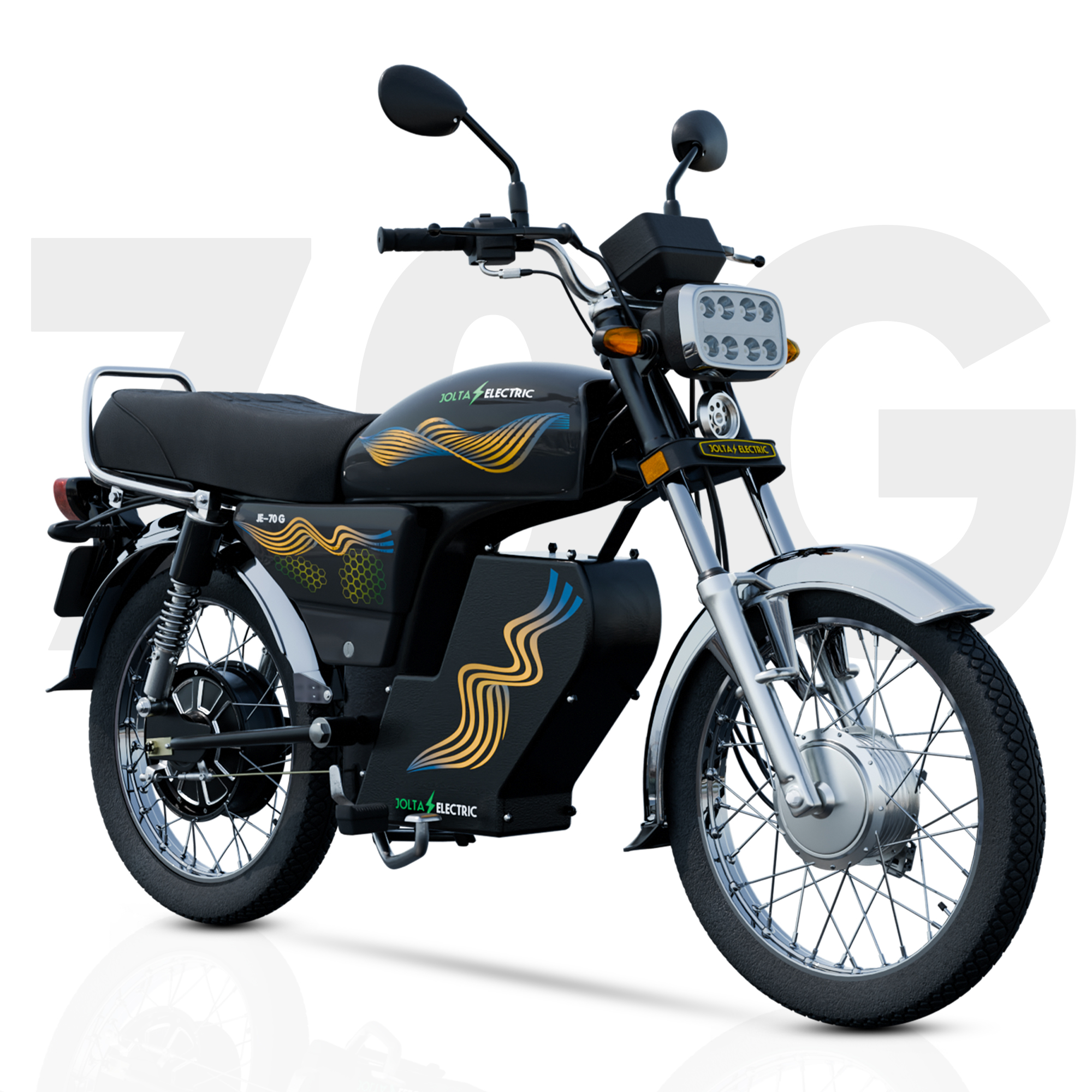
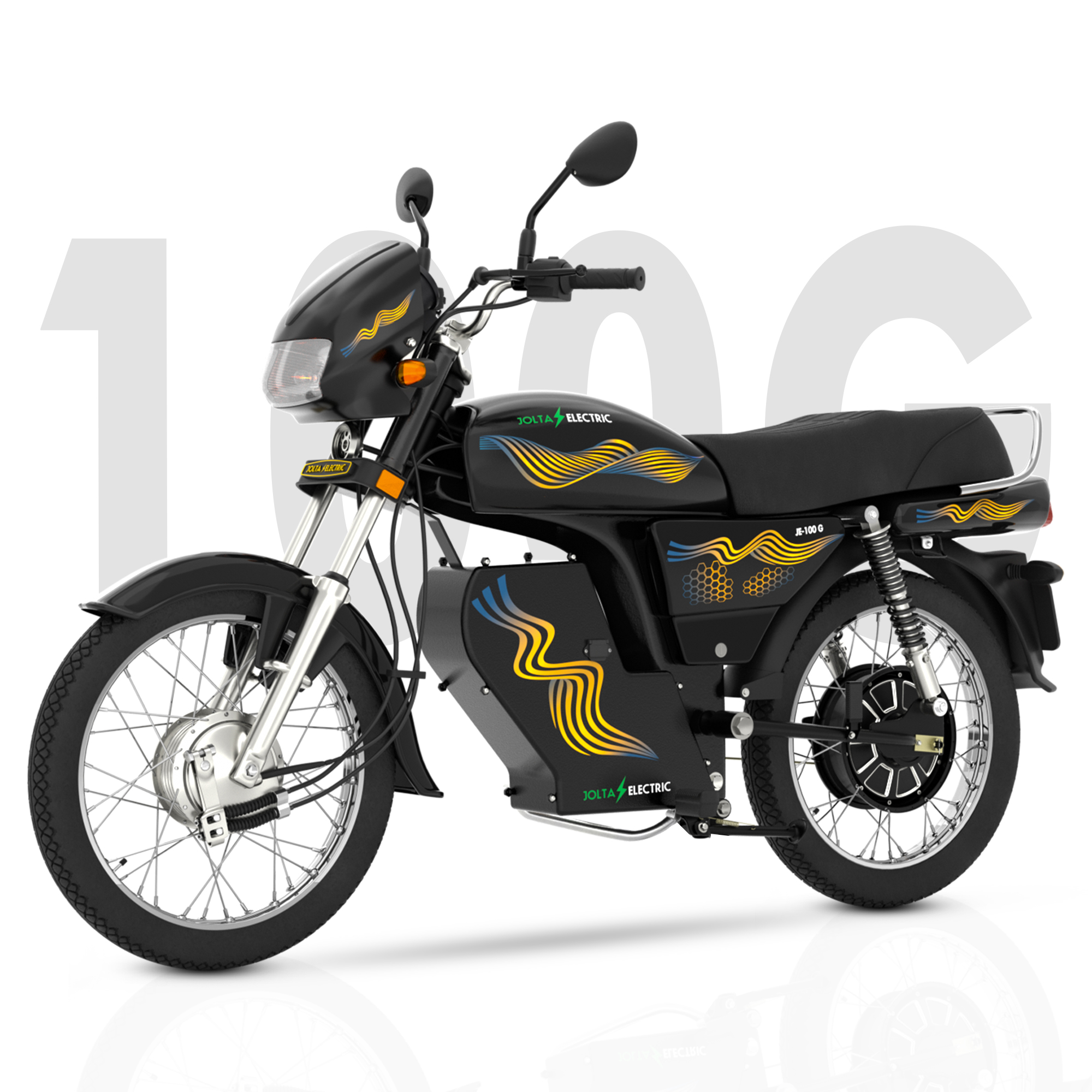
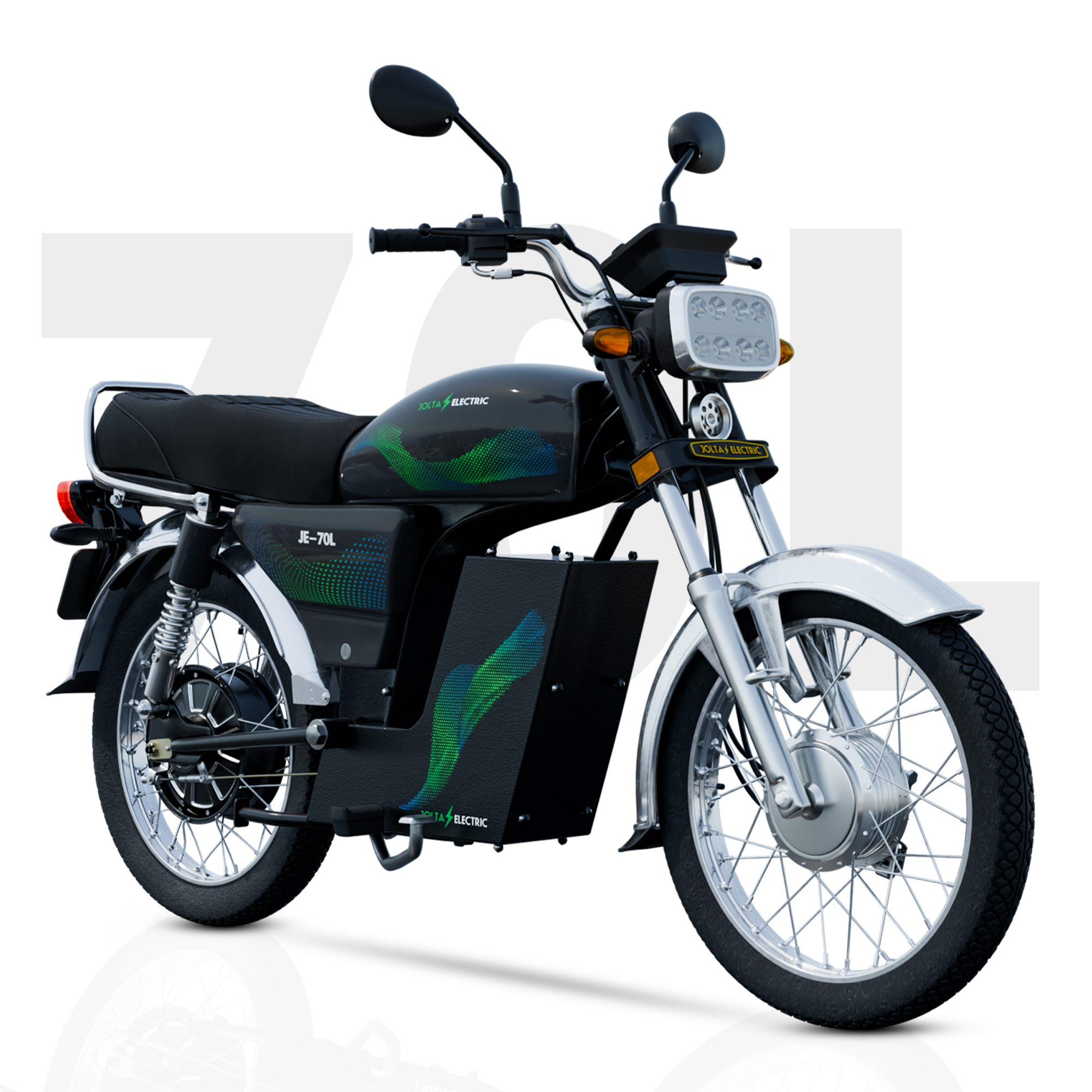
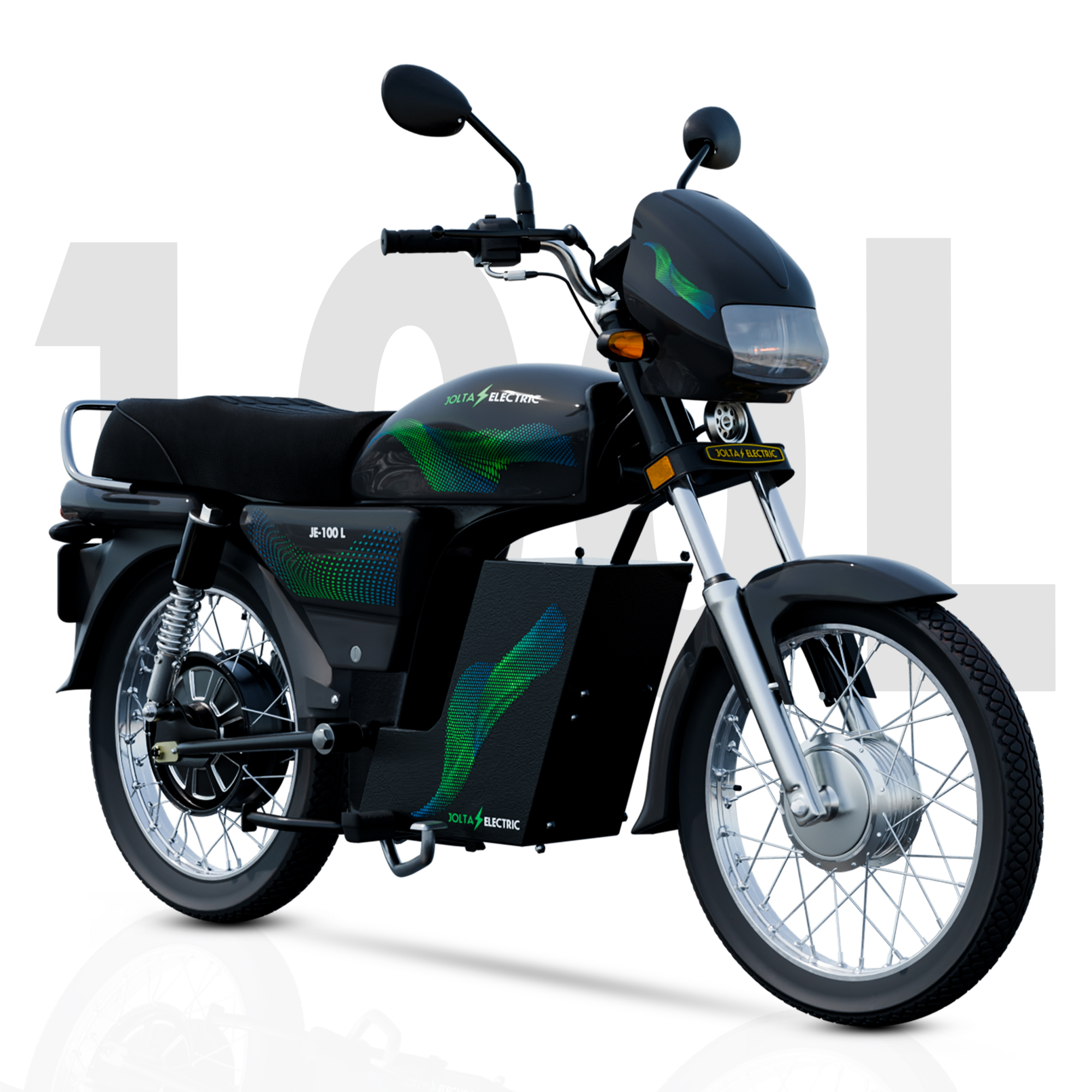
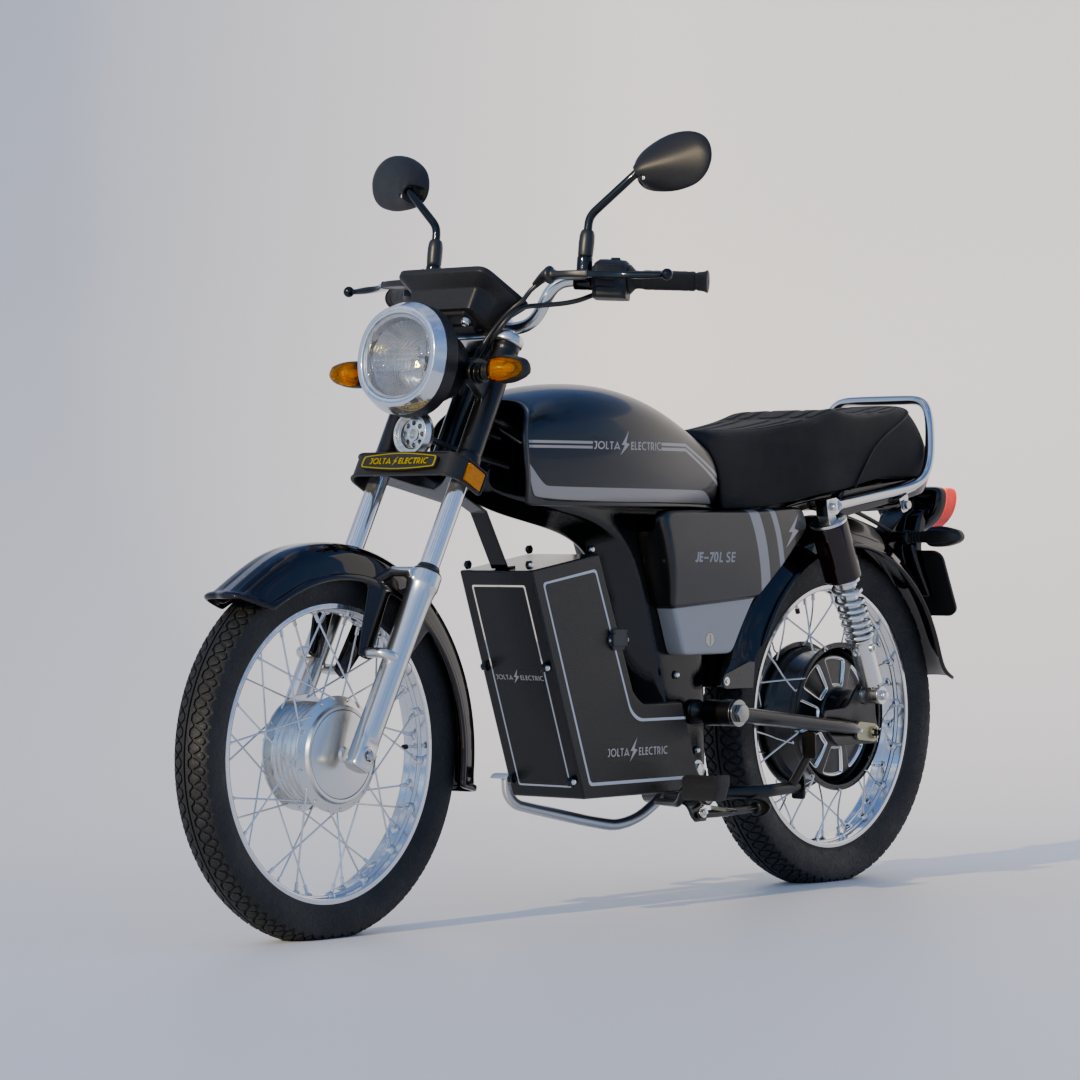
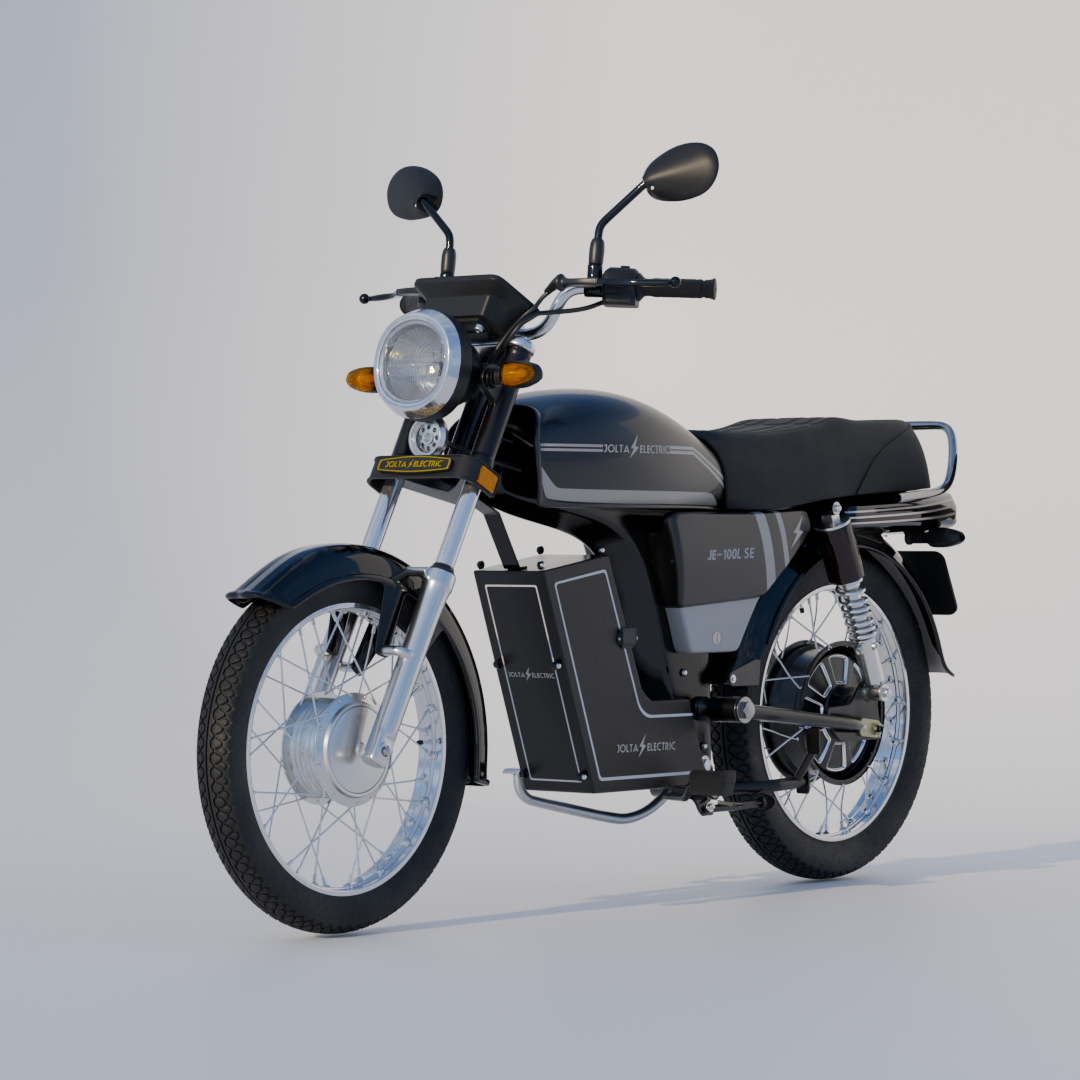
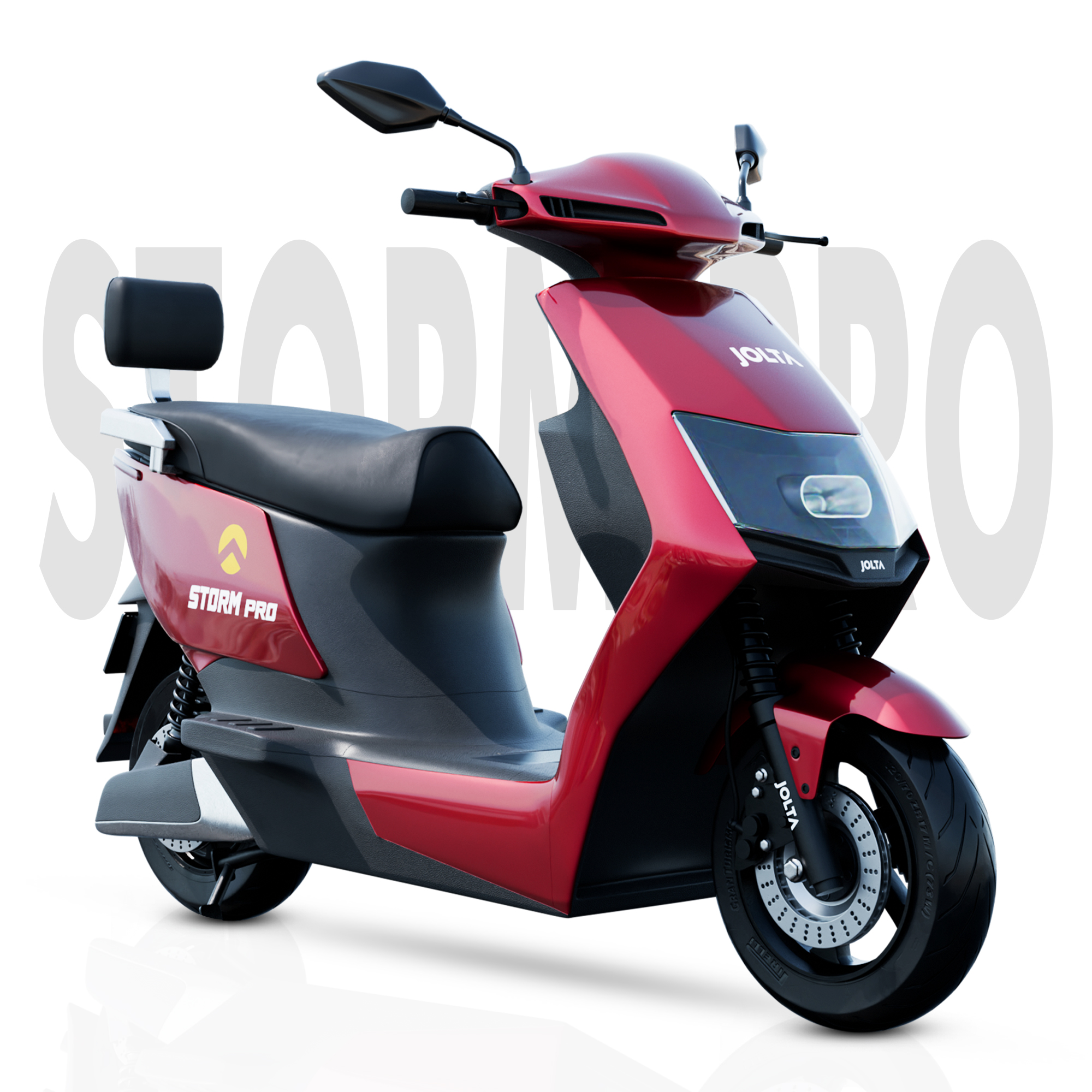
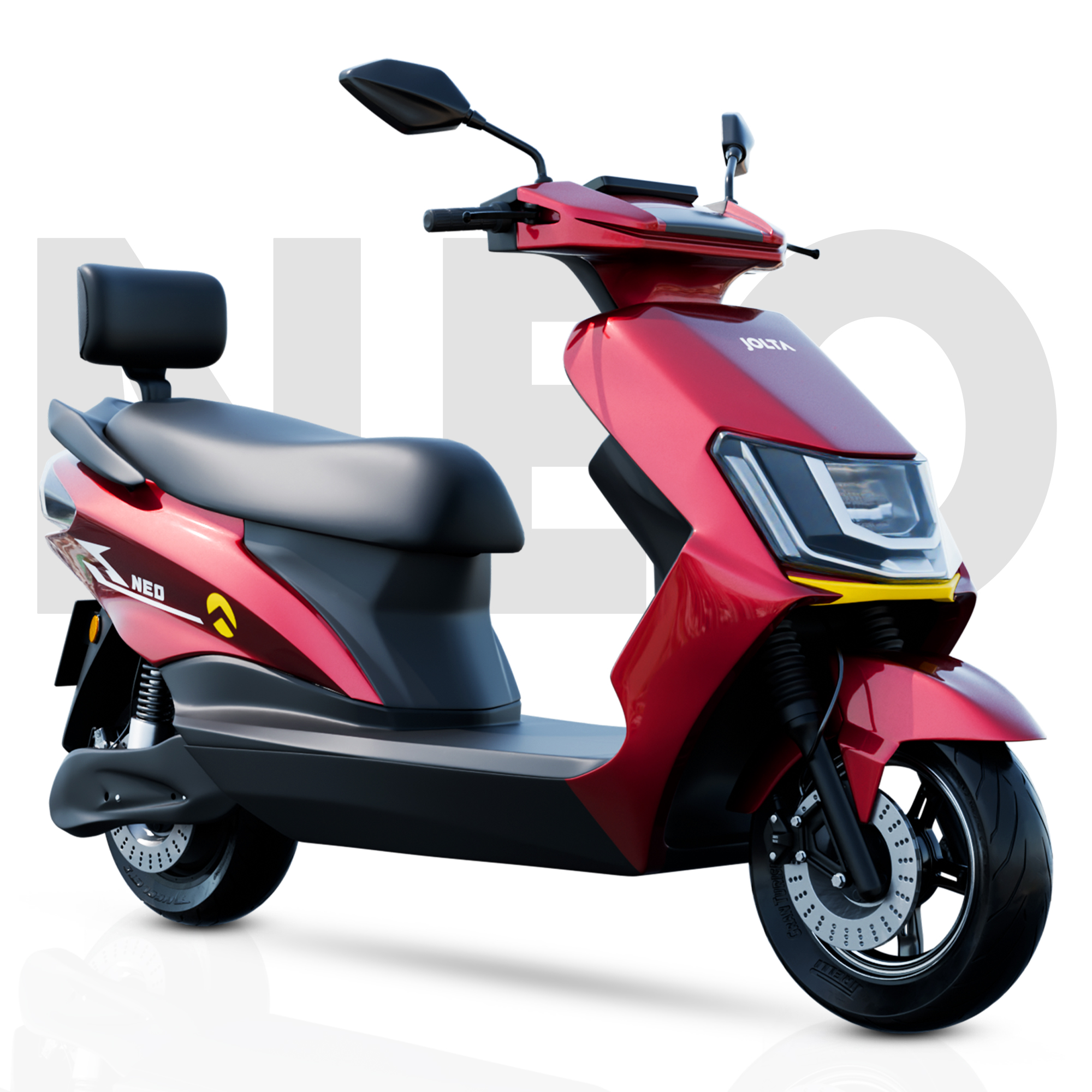
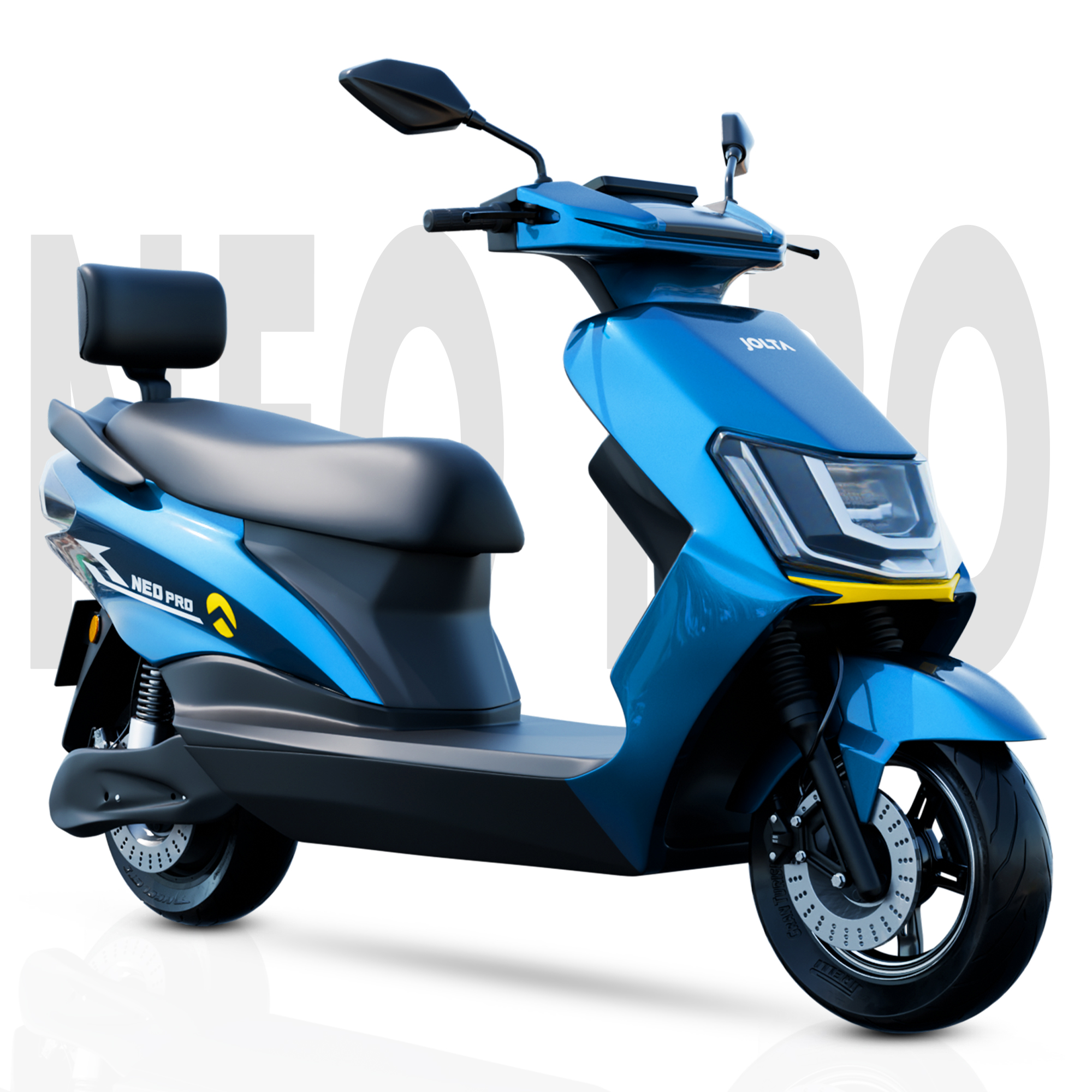
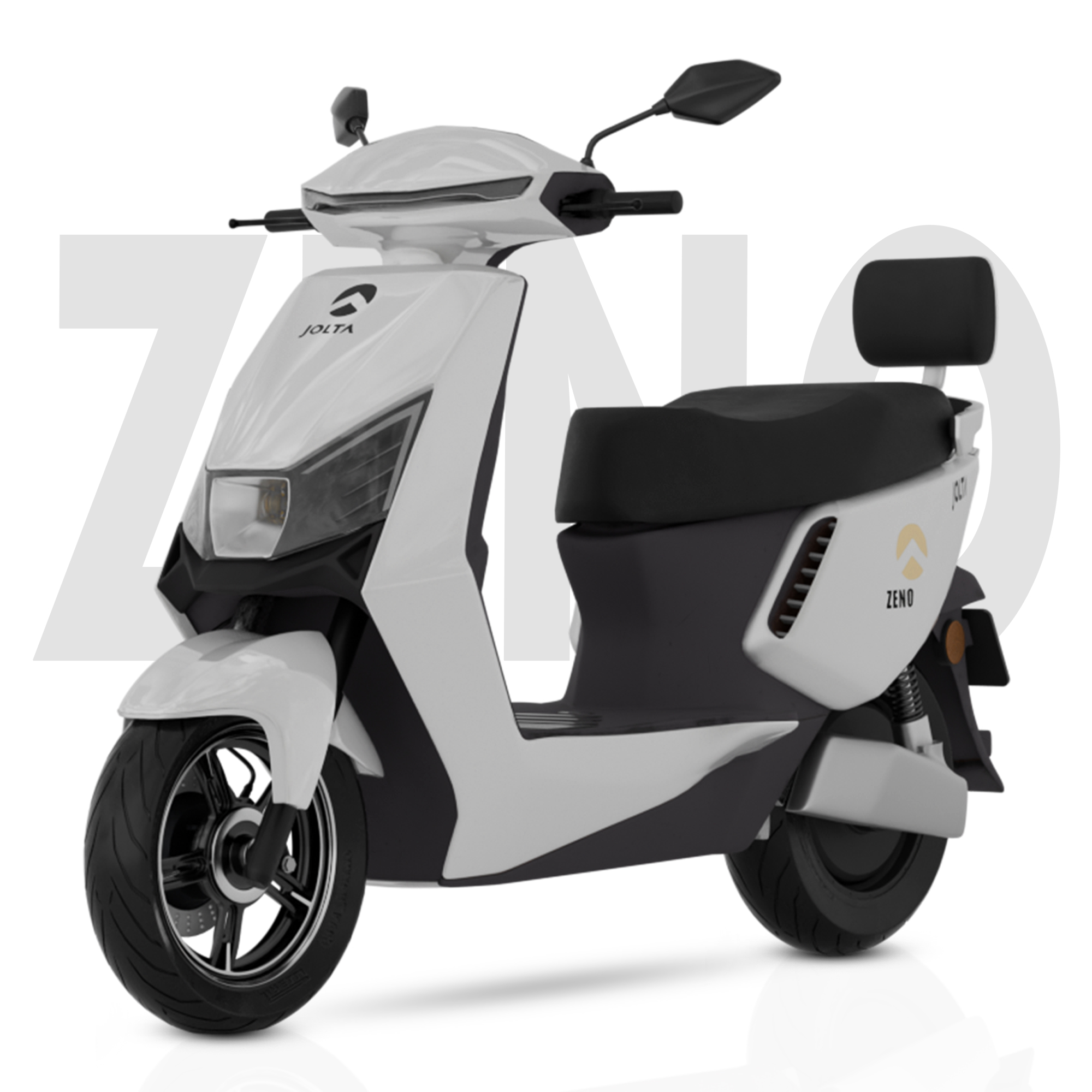
Jolta Electric prioritizes LFP battery integration across flagship commuter platforms like the JE-125L, JE 70L Fury, JE 100L Thunder, and the SE Edition Series. By maintaining thermal equilibrium without complex, costly liquid cooling systems, our LFP packs offer B2B fleet operators an operational lifespan exceeding 5 to 7 years of daily commuting.
3. Future Procurement Trends for B2B Buyers & Importers (2025–2030)
The global EV supply chain is experiencing a structural evolution. Importers, fleet operators, and automotive distributors are shifting from transactional purchasing to long-term strategic supplier alliances. As an authoritative OEM manufacturer, Jolta Electric highlights five key procurement trends shaping the future of Electric Commuter Motorbikes:
A. Transition to CKD & SKD Local Assembly Solutions
To reduce global freight overheads and leverage reduced import tariff brackets, leading distributors are moving away from Completely Built Units (CBU). Importing vehicles as Semi-Knocked Down (SKD) or Completely Knocked Down (CKD) kits allows importers to optimize container space by up to 250%, while benefiting from national industrial manufacturing incentives. Jolta Electric provides comprehensive CKD packaging, standardized wiring looms, and step-by-step assembly documentation for regional manufacturing plants.
B. Mandated Battery Thermal Safety Certifications
Regulatory bodies across the EU, Middle East, and Asia-Pacific are enforcing stringent safety guidelines regarding lithium battery transit and operational safety (including UN38.3, IEC 62133, and CE certifications). B2B procurement strategies now center on non-propagating cell design and stable LFP chemistries that eliminate fire risks during maritime freight and high-temperature storage.
C. Telematics & IoT Fleet Integration
Modern commercial fleets require real-time visibility into vehicle health. Future-ready commuter motorbikes must integrate CAN-bus communication protocols, GPS tracking, remote diagnostic codes, and over-the-air (OTA) BMS updates. This enables fleet managers to monitor battery state-of-charge (SOC), track driver efficiency, and schedule predictive maintenance before downtime occurs.
D. Total Cost of Ownership (TCO) Dominance Over Upfront Capex
While legacy lead-acid electric bikes offered lower initial purchase costs, their high failure rates and frequent battery replacements led to unfavorable lifecycle economics. Corporate fleet buyers now calculate procurement decisions based on 3-year and 5-year TCO metrics. LFP-powered electric commuter motorbikes offer up to a 65% reduction in lifetime operating costs compared to both internal combustion engine (ICE) 125cc motorcycles and lead-acid alternatives.
4. Future Technological & Engineering Development Trends
The technological trajectory of electric commuter motorbikes is defined by advancements in power electronics, materials science, and smart energy management. Understanding these engineering trends helps distributors future-proof their product portfolios:
A. High-Voltage Architecture (72V & Beyond)
Higher system voltages allow electric motorbikes to draw lower phase currents while producing equivalent or superior mechanical power output ($P = V \times I$). Lower amperage reduces resistive heating ($I^2R$ losses) throughout the controller and motor windings, resulting in improved thermal efficiency, faster acceleration response, and extended range performance during heavy-load commuting.
B. Smart Vector Controllers (FOC - Field-Oriented Control)
Legacy square-wave motor controllers produce noticeable motor noise and electrical ripple. Modern electric commuter motorbikes utilize Field-Oriented Control (FOC) sine-wave controllers. FOC continuously adjusts stator current vectors to match rotor position with extreme precision, delivering smooth torque output, silent operation, and up to 15% higher energy efficiency during acceleration.
C. Modular & Swappable Battery Architectures
To eliminate charging downtime for commercial last-mile logistics, commuter platforms are adopting modular dual-battery systems. Drivers can hot-swap depleted LFP battery modules in under 30 seconds at central hub stations, enabling 24/7 continuous vehicle utilization for delivery fleets.