The 2026 electric mobility market is becoming more practical, competitive, and demanding. Buyers now expect longer range, safer batteries, reliable software, and dependable after-sales support. This guide examines the best Electric Two-Wheeler Manufacturing companies shaping that transition.
The evaluation considers production experience, engineering capability, battery management, charging compatibility, product durability, and service coverage. It also looks beyond impressive specifications. A scooter may claim 150 kilometers of range, yet real-world distance can fall sharply in rain, traffic, hills, or cold weather. That difference matters.
Manufacturers with strong testing procedures deserve closer attention. Their vehicles should perform consistently across daily commutes, delivery routes, and uneven urban streets. Battery safety is equally important. Certified cells, thermal monitoring, and clear maintenance guidance can reduce ownership concerns. Small details matter here.
So does transparency.
This overview also considers manufacturing scale, supply-chain resilience, warranty policies, and customer feedback. Established brands may offer wider support networks, while newer companies can introduce lighter designs and smarter connectivity. Neither advantage guarantees long-term value. Some promising products still face limited service access, software bugs, or uncertain resale performance.
The ranking should not be treated as permanent. Technology changes quickly, and company performance can vary by region. Independent testing, local regulations, road conditions, and ownership costs should influence every final decision. That is the honest limitation. A useful comparison must recognize both innovation and weakness, helping readers identify manufacturers that combine ambition with dependable everyday performance.
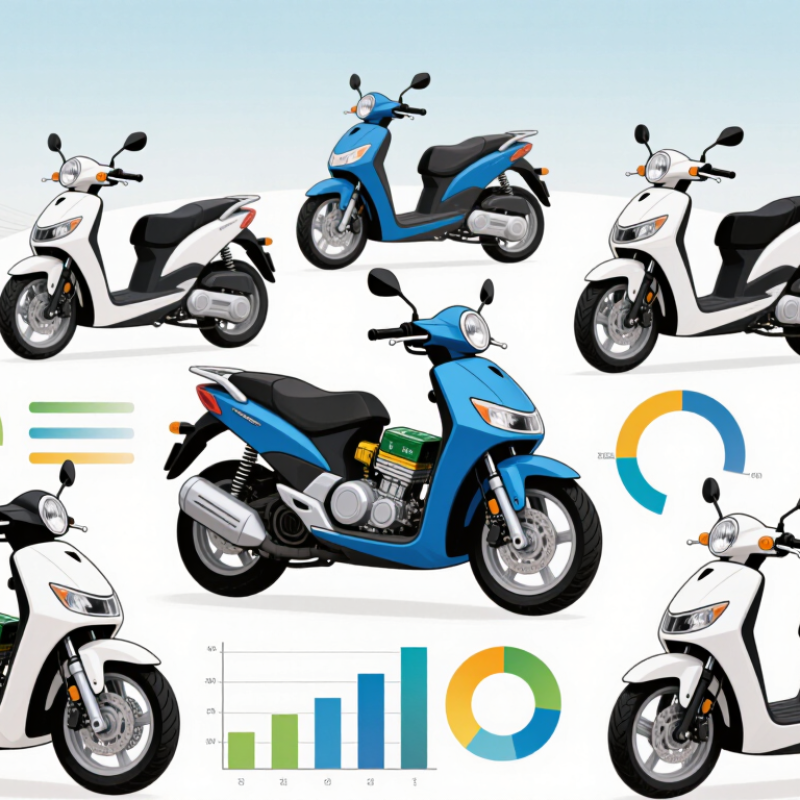
Electric two-wheeler manufacturing covers the design, assembly, and testing of battery-powered scooters, motorcycles, and similar vehicles. The industry connects vehicle makers with suppliers of frames, motors, batteries, controllers, brakes, and charging equipment. Its products serve short urban trips, delivery work, and some rural journeys. Not every electric model fits the same use.
A typical production line joins a welded or cast frame with a motor, battery pack, wiring, suspension, and braking system. Workers or automated stations check fasteners, electrical connections, wheel alignment, and software settings. Battery performance depends on cell quality, thermal management, and careful assembly. Small faults matter. A loose connector can interrupt power; poor sealing may expose electronics to moisture.
Manufacturing also includes design choices that shape repair and everyday use. A removable battery can simplify charging, while a larger pack may add weight and cost. Companies must balance range, durability, price, and serviceability rather than optimize one feature alone. That boundary is not always neat. In practice, testing conditions may differ from real streets, where rain, rough pavement, and frequent stops change performance. Clear specifications and repeatable quality checks help buyers and fleet operators compare vehicles more reliably.
It includes vehicle design, frame assembly, battery integration, electrical testing, and final quality checks. A loose connector can interrupt power. Testing also covers brakes, lighting, wheel alignment, and software settings.
Compact scooters suit short urban trips and apartment charging. Higher-speed motorcycles support longer routes, while cargo models help delivery work. Fleet vehicles usually need durable frames and simple maintenance. Needs differ.
Battery capacity affects range, weight, cost, and charging time. Removable batteries suit riders without private parking or indoor charging access. Fixed larger packs may support longer routes but can be heavier. The trade-off is easy to overlook.
Ask about rider weight, speed, temperature, road surface, and traffic conditions. Frequent stops, rain, and rough pavement can reduce real-world performance. A showroom figure is only one reference. Not a promise.
Inspect wiring, connectors, panel gaps, fasteners, brakes, and sealing around electronic parts. Wiring should look organized rather than tightly crowded. During a test ride, braking should feel stable and predictable. Small details matter.
Request battery capacity, charging time, warranty coverage, and testing conditions in writing. Check local spare-parts access and battery diagnostic procedures. Also ask about service costs after warranty coverage ends. This checklist is useful, but incomplete.
Ask for test information covering electrical insulation, stopping distance, hill performance, and water resistance. Consistent checks can reduce failures during daily use. A polished specification sheet cannot prove long-term durability. Years reveal more.
Fleet operators should compare predictable charging, repair access, battery diagnostics, and frame durability. They should examine performance under repeated stops and daily route conditions. User feedback can reveal recurring issues, but isolated complaints need cautious interpretation. Some uncertainty remains.
This article explores the evolving Electric Two-Wheeler Manufacturing industry in 2026, from its core processes and product scope to the technologies transforming production. It highlights advances in battery systems, electric motors, vehicle connectivity, automation, and quality control, while explaining how these developments can improve performance, efficiency, safety, and reliability. It also examines the main product categories and manufacturing standards that shape the market.
Readers will find a practical framework for comparing manufacturers and their products based on engineering capability, battery and motor performance, production quality, product range, after-sales support, and suitability for different riding needs. By considering these factors alongside market strengths and emerging production trends, buyers and industry professionals can make more informed assessments of electric two-wheelers in 2026.