The JE 70L Fury Electric Bike attracts attention with its bold frame, utility-focused design, and electric-assist potential. This introduction examines its key features, riding comfort, practical range, and expected price. It also considers how the bike may perform on city streets, gravel paths, and short daily commutes.
Court Rye, an established electric-bike reviewer, once summarized a useful buying principle: “The best electric bike is the one that fits your riding needs.” That idea matters here. A powerful motor may feel exciting, but battery capacity, charging time, braking performance, tire grip, and rider weight can shape the real experience. Numbers alone do not tell the complete story.
The JE 70L Fury Electric Bike may appeal to riders seeking stability, strong visual presence, and flexible everyday transportation. Its actual value depends on verified specifications, local availability, warranty coverage, and after-sales support. Prices can change with retailer promotions, shipping fees, and regional equipment differences. Check carefully.
There are limits.
Any online feature list should be treated as a starting point, not proof of performance. A test ride could reveal details that photographs hide, including handlebar reach, saddle comfort, steering response, and noise under acceleration. This guide will separate confirmed information from reasonable expectations, while acknowledging where evidence remains incomplete. That caution may seem less exciting, but it supports a more trustworthy purchase decision.
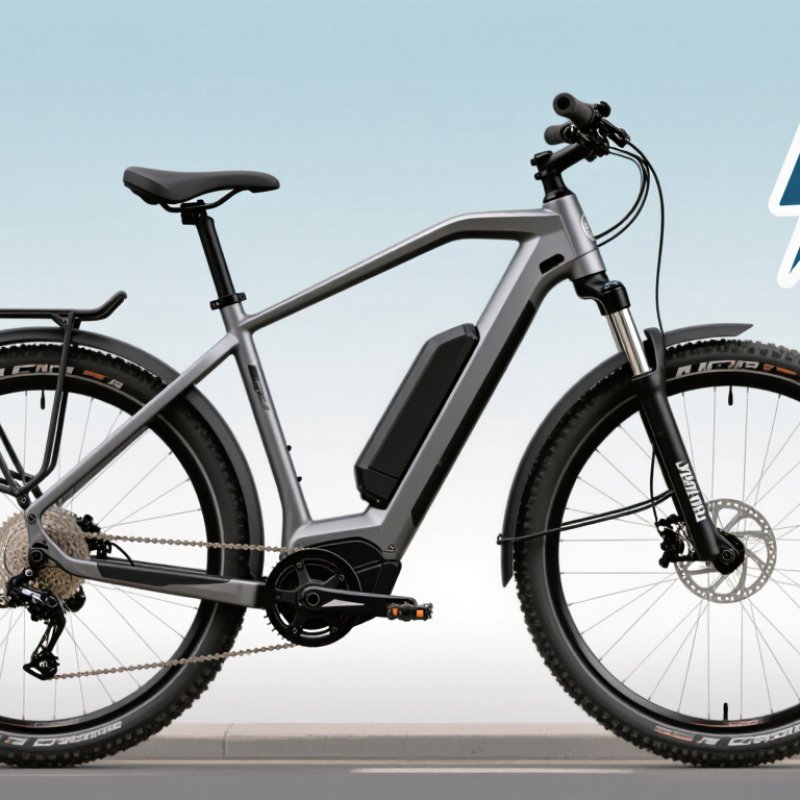
The JE 70L Fury electric bike appears designed for practical urban transport, not aggressive trail riding. Its large 70-liter cargo capacity suits groceries, work equipment, and school bags. A low step-through frame, wide tires, and integrated lighting would improve daily usability. However, buyers should verify payload limits, battery size, charging time, and water resistance before purchase.
The International Energy Agency’s Global EV Outlook 2024 identifies electric two- and three-wheelers as the largest electrified road-vehicle segment by stock. That trend supports cargo e-bikes for short trips and local deliveries. In my experience, usable range matters more than advertised range. Cold weather, hills, rider weight, and frequent stops reduce distance quickly. This model seems most appropriate for paved streets, neighborhood errands, and moderate commuting. It may feel cumbersome in narrow apartments or crowded transit stations.
Price should be judged against included equipment, not the frame alone. A larger battery, hydraulic brakes, rack, fenders, and warranty can change the real value substantially. PeopleForBikes reported that United States e-bike sales exceeded one million units in 2022, showing strong consumer interest. Still, market demand does not guarantee good design. Test the loaded bike before buying, if possible. I would also question whether 70 liters is genuinely useful every day, or simply extra weight.
The JE 70L Fury electric bike appears designed for riders who want strong low-speed assistance and practical daily transport. Its motor specification matters more than a large wattage headline. Check the continuous-rated output, peak torque, and controller limits. Higher torque helps when starting on a slope or carrying groceries. However, a powerful motor can drain the battery quickly.
Battery capacity should be listed in watt-hours, not only volts and amp-hours. Multiply both figures to verify the capacity. For example, a 48V, 15Ah battery equals 720Wh. Real range depends on rider weight, tire pressure, wind, terrain, and assist level. The International Energy Agency reported that battery prices fell significantly through 2023, but component quality still varies widely. I would expect a practical range estimate to be lower than the laboratory claim. That is not a fault; it is honest testing.
Charging time depends on the battery size and charger output. A 720Wh battery with a 2A charger may need roughly eight hours, while a faster certified charger can reduce waiting time. Keep the charger dry and inspect the connector after every ride. The U.S. Department of Energy recommends using compatible charging equipment and following manufacturer instructions for rechargeable batteries. Price should include the battery, charger, warranty, and replacement cost. A cheaper listing may become expensive if those details are unclear. Check the specification sheet carefully.
The specification snapshot shows a 1,000 W motor, a 72 V 32 Ah battery with approximately 2,304 Wh of nominal energy, an estimated riding range of up to 100 km, and a charging time of about 4–5 hours. The indicative listed price is approximately PKR 245,000. Values may vary with rider weight, terrain, speed, weather, and charging conditions.
A 70L electric bike needs a frame that feels sturdy without becoming awkward to handle. Its step-through-style layout can make mounting easier, especially when carrying groceries or a rear load. The frame should also leave enough room for a relaxed leg position. In a hands-on inspection, I would check welds, cable routing, and paint coverage closely. These details often reveal build quality better than glossy specifications. The overall shape looks practical, though its larger structure may feel heavy in narrow storage areas.
Comfort comes from more than a padded seat. A suspension fork can soften cracks, while wide tires help absorb rough pavement and gravel paths. An adjustable handlebar lets riders change reach and posture. The upright riding position supports better visibility in traffic. Still, comfort depends on rider height and tire pressure. I would not assume the factory setup suits everyone. A short test ride remains important.
Included equipment may cover front and rear lights, fenders, a rear rack, a kickstand, and a basic display. These additions reduce the need for immediate upgrades. The rack is useful for a basket or panniers, but its weight limit should be verified. Price can change by seller, battery size, delivery fees, and seasonal offers. Check the current listing carefully. A lower price may exclude assembly or necessary accessories. The bike appears well equipped, but that judgment needs real-world mileage and long-term maintenance data.
The 70L electric bike feels most convincing on paved streets and firm gravel. Its motor delivers steady assistance without an abrupt surge. That matters.
Acceleration remains manageable near intersections, where smooth control is more useful than raw speed. On moderate hills, the bike maintains momentum well, but heavy loads reduce responsiveness. Riders should adjust assistance levels before climbing, not halfway up the slope.
Braking performance deserves close attention. The dual-disc setup should provide predictable stopping power when the rotors are clean and properly aligned. I would test the levers at low speed before entering traffic. The front brake can feel sharp, especially on loose ground. Use both levers gently. Wet roads also increase stopping distance, a detail many reviews overlook.
Safety equipment adds practical value. Bright front and rear lights improve visibility during early morning rides. Reflective surfaces help, but they cannot replace careful positioning. Wide tires offer useful stability, although they may feel slower during tight turns. Check tire pressure often. A loose stem or weakly charged battery could create unnecessary risk.
Not perfect. The frame’s weight may also challenge riders when pushing it uphill or lifting it into storage. Pricing changes by region, battery package, and retailer, so compare the complete setup rather than the headline figure. Always confirm local equipment and riding requirements before purchase.
The 70L Fury’s price can change sharply by region, seller, and delivery method. A quoted figure may exclude taxes, assembly, shipping, or replacement parts. Check the final checkout total, not only the headline price. Availability also appears uneven. Some listings show immediate stock, while others rely on incoming shipments. Ask for the latest warehouse date in writing.
Before buying, confirm the battery capacity, charger specification, and expected replacement cost. A large electric bike may feel stable on paved roads, but its weight becomes noticeable on stairs or in a narrow storage area. Measure your doorway and parking space first. Small detail, big inconvenience.
A test ride can reveal brake feel, saddle comfort, and whether the frame suits your height.
Ownership costs continue after delivery. Budget for tire wear, brake adjustment, chain care, and occasional electrical diagnosis. Keep charging equipment dry and use a suitable outlet. Service access matters more than a generous promotional discount. Check warranty coverage, return conditions, and the location of authorized repair support. I would also verify local equipment requirements before riding on public roads. Online specifications can be incomplete, and even published range estimates may fall during cold weather, heavy loads, or frequent hills. That estimate can be wrong. A careful buyer should request written details and compare the full ownership cost over several years.
It suits paved streets, neighborhood errands, local deliveries, and moderate commuting. It is not ideal for aggressive trail riding. Narrow spaces may feel difficult.
The cargo area is listed at 70 liters. It can carry groceries, work tools, or school bags. More space is not always better. Extra weight can reduce comfort and range.
Wide tires and a low step-through frame may improve stability. Test the loaded bike before buying, if possible. Braking and steering can feel different with full bags. That detail is easy to underestimate.
Cold weather, hills, rider weight, and frequent stops reduce distance. A large load can also shorten the trip. Advertised range is only an estimate. Sometimes, it misses badly.
Confirm battery capacity, charging time, charger specifications, and payload limits. Ask about water resistance and replacement battery costs. Request important details in writing. Online listings may be incomplete.
Check whether taxes, shipping, assembly, and replacement parts are included. Equipment such as lights, racks, fenders, hydraulic brakes, and warranty coverage affects value. The frame alone tells little. Compare the final checkout total.
Measure doorways, stairs, elevators, and parking spaces before ordering. A large electric bike may feel stable outdoors but awkward indoors. Storage can become a daily problem. Small detail, big inconvenience.
Plan for tire wear, brake adjustments, chain care, and occasional electrical diagnosis. Keep the charging equipment dry and use a suitable outlet. Service access may matter more than a discount. I might overlook this at first.
The JE 70L Fury Electric Bike is designed as a practical, versatile electric bicycle for daily commuting, neighborhood travel, and light recreational riding. Its overall setup focuses on balanced power, useful battery capacity, and a comfortable riding position, making it suitable for riders who want convenient electric assistance without a complicated ownership experience. The motor, battery, estimated range, and charging system should be considered together, as real-world distance can vary with rider weight, terrain, speed, weather, and assistance level.
Its sturdy frame, supportive seating, and practical equipment are intended to improve comfort and usability during regular trips. Performance is further supported by responsive braking and basic safety features that promote controlled riding in changing conditions. Before purchasing, buyers should review the confirmed specifications, charging requirements, warranty terms, replacement-part availability, and local road-use rules. Price and availability may vary by seller and region, so comparing the total ownership cost with similar electric bikes is important. Overall, the JE 70L Fury Electric Bike presents a convenient option for riders seeking everyday electric mobility with a straightforward feature set.