Choosing reliable suppliers for a JE-125L Electric Bike requires more than comparing online prices. Buyers should examine manufacturing experience, product consistency, battery specifications, and after-sales support. China has many electric bike factories, but their capabilities can vary significantly.
This guide introduces ten potential Chinese suppliers connected with the JE-125L Electric Bike market. It focuses on practical details, including factory certification, frame materials, motor performance, charging systems, customization options, and export experience. A dependable supplier should provide clear technical documents, transparent quotations, sample support, and realistic production timelines. Factory photographs help, but verified evidence matters more.
Details matter.
The review also considers communication quality and quality-control procedures. Can the supplier explain battery protection clearly? Does it test brakes, wiring, tires, and lighting before shipment? These questions often reveal more than a polished product page. However, supplier rankings should not be treated as permanent facts. Company capacities, component sources, and service policies may change over time. Buyers should independently verify current certifications, sample performance, warranty terms, and shipping responsibilities before placing an order.
Some suppliers may offer attractive customization, yet customization can increase costs and delay delivery. Others may quote lower prices while providing fewer replacement parts. This comparison aims to support informed decisions, not guarantee a specific purchasing result. Careful communication, documented inspections, and a tested sample remain essential when selecting a JE-125L Electric Bike supplier in China.
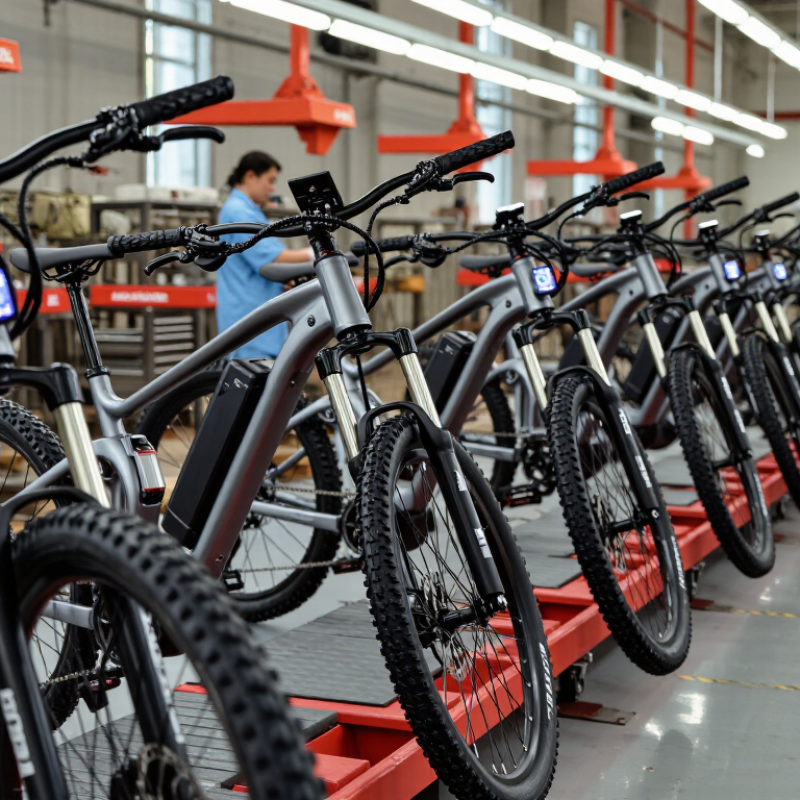
The JE-125L is positioned as a practical electric bike for urban commuting and light commercial travel. Its market appeal comes from balanced utility rather than extreme performance. Depending on supplier configuration, it may include a removable battery, LED lighting, a rear carrier, and a sturdy step-through frame. These details matter when riders carry groceries, work equipment, or small parcels. Easy mounting also benefits older users and daily riders wearing office clothing.
Real-world performance needs careful checking. Battery range changes with rider weight, road slope, tire pressure, and outside temperature. A catalogue figure is not a guarantee. During inspection, buyers should examine weld quality, brake response, cable routing, controller protection, and battery locking points. A short test ride can reveal frame vibration or delayed acceleration. These small issues are easy to overlook. The bike may feel refined in the showroom, yet less comfortable on uneven streets.
In the current market, the JE-125L occupies a functional middle position. It can suit distributors seeking affordable transport with simple maintenance and flexible equipment options. Supplier support is equally important. Buyers should request battery test records, spare-part availability, warranty terms, and production consistency. Local road requirements must also be checked before import or retail sale. The model’s weakness may be limited premium styling, but that can reduce cost and simplify repairs. That trade-off deserves honest evaluation.
It suits urban commuters and light commercial users. The step-through frame helps with easy mounting. It can carry groceries, work tools, or small parcels. It is practical, not especially sporty.
Supplier configurations may include a removable battery, LED lights, and a rear carrier. Equipment can vary between orders. Confirm every feature in writing. Pictures are not enough.
The actual range depends on rider weight, hills, tire pressure, and temperature. A catalogue range is only an estimate. Test the bike under realistic conditions. Cold weather may reduce performance.
Check welds, brakes, cable routing, controller protection, and battery locking points. Look for uneven weld beads or loose cables. A short ride can reveal vibration or delayed acceleration. Small defects matter.
Common systems include 48V20Ah, 60V20Ah, and 72V32Ah batteries. FOB prices often range from 520 to 980 US dollars. The final cost depends on motor power, battery type, suspension, and order size. Cheap quotes need careful checking.
It may exclude chargers, packaging, spare parts, or testing fees. Some offers also use weaker cells or thinner frame tubing. Ask for a complete cost sheet. Surprises are expensive.
Request identical samples from each shortlisted supplier. Compare range, charging time, brake response, and frame weight. Review battery records, inspection reports, and production capacity. One impressive factory video proves very little.
Ask for battery certification documents, test records, warranty terms, and spare-part lists. Request recent factory evidence and a sample inspection report. Confirm who handles warranty claims. After-sales support can be the weak point.
Typical production lead time is about 25 to 45 days. Confirm the schedule before placing an order. Faster promises may lack supporting quality records. I may be wrong for every factory.
The bike may offer simple maintenance and lower cost. Its styling may feel less premium. That can reduce repair complexity. Buyers should decide whether appearance matters more than practical serviceability.
The JE-125L Electric Bike is designed to meet the needs of urban commuters, delivery operators, and budget-conscious riders seeking practical, efficient, and reliable transportation. Its market position is shaped by factors such as battery performance, motor efficiency, riding range, comfort, safety features, durability, and overall value. This article explains how China’s JE-125L Electric Bike suppliers are evaluated, focusing on manufacturing experience, product consistency, quality control, customization capabilities, certifications, production capacity, export support, and after-sales service.
It also presents a structured comparison of ten leading supplier types without relying on brand promotion, examining their product configurations, pricing levels, factory capabilities, lead times, and order flexibility. Finally, the guide provides practical advice for selecting the right supplier based on target market requirements, budget, order volume, technical specifications, communication efficiency, warranty policies, and long-term cooperation potential. By using these criteria, buyers can make more informed sourcing decisions and identify a supplier that offers dependable quality, competitive pricing, and suitable manufacturing support.