Choosing among the Top 10 High-Speed Electric Scooters can feel exciting, but speed is only one part of the decision. A powerful motor may climb hills easily, yet it can also demand stronger brakes, wider tires, and better rider control. Comfort matters too. A stiff deck, narrow handlebar, or weak suspension becomes obvious after several kilometers.
This guide compares High-Speed Electric Scooters for buyers in different regions. It considers motor output, tested range, charging time, braking systems, suspension, lighting, water resistance, portability, and after-sales support. Manufacturer specifications provide a useful starting point. However, real performance may change with rider weight, temperature, road surface, tire pressure, and riding style. Numbers are not everything.
Local regulations require careful attention. Speed limits, road access, helmet requirements, insurance rules, and registration policies differ widely between countries and cities. A scooter designed for high performance may not be permitted on public roads everywhere. Buyers should verify current local requirements before purchase. Safety comes first.
Our comparisons aim to balance practical experience with reliable technical information and clearly stated limitations. Some range claims appear optimistic. That deserves scrutiny. Independent reviews, warranty terms, replacement-part availability, and service quality can reveal more than a glossy product page. No ranking fits every rider perfectly. A commuter may prefer stable handling and weather protection, while another buyer may value acceleration, hill climbing, or easy storage. Think carefully. The best choice is the scooter that matches your legal environment, daily route, skill level, and realistic expectations.
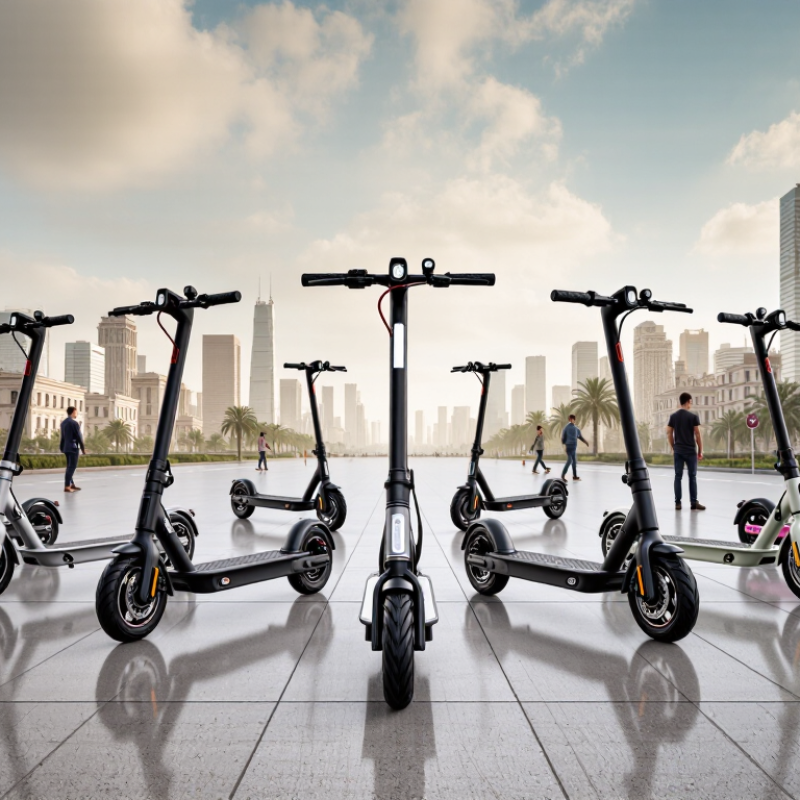
A high-speed electric scooter is generally designed to travel faster than ordinary city models, but “high speed” has no single global definition. Buyers should compare the manufacturer’s stated top speed with local road rules and the scooter’s intended use. A specification sheet is only a starting point. Actual speed and range can change with rider weight, hills, temperature, tire pressure, and battery age.
Think about the route, not just the headline number. A scooter used on broad, smooth roads faces different demands from one crossing rough pavement or climbing steep streets. Strong, predictable brakes matter when a junction appears suddenly. Tire grip, suspension, lighting, and a stable frame also affect control. Check whether the battery can be charged safely with the voltage available at home, and whether replacement parts and qualified service are accessible in your region.
Range claims deserve a little skepticism. A long laboratory figure may shrink in cold weather or under heavy acceleration. Leave a practical reserve for detours. Look for clear information on battery protection, water resistance, rider-weight limits, and independent safety testing where available. Some details are easy to overlook. Buyers may also need to consider storage space, carrying weight, and warranty support across borders. I would not choose a scooter by speed alone; that shortcut can feel convincing until the first wet, uneven commute.
This buyer-fit shortlist compares representative scooter categories rather than specific branded models. Speed, motor output, and range are indicative market ranges; actual performance depends on configuration, rider weight, terrain, temperature, and testing conditions. Local speed, power, licensing, and road-use rules may restrict where a scooter can be used.
| Rank | Scooter Type | Typical Top-Speed Range | Typical Motor Output | Indicative Real-World Range | Best For | Key Buyer Consideration |
|---|---|---|---|---|---|---|
| 1 | Long-Range Urban Commuter | 25–35 km/h (16–22 mph) | 350–700 W rated | 25–50 km (16–31 mi) | Daily city travel and mixed transport | Check whether its speed and motor rating comply with local e-scooter rules. |
| 2 | Fast Single-Motor Commuter | 35–45 km/h (22–28 mph) | 500–1,000 W rated | 25–45 km (16–28 mi) | Commuters seeking quicker trips without a heavy performance scooter | Real range can be substantially lower at sustained high speeds. |
| 3 | Dual-Motor All-Weather Commuter | 40–55 km/h (25–34 mph) | 800–1,500 W combined rated | 25–50 km (16–31 mi) | Hilly routes and riders needing stronger acceleration | Compare water-resistance details and braking performance, not just motor output. |
| 4 | Extended-Range Touring Scooter | 40–60 km/h (25–37 mph) | 800–1,500 W combined rated | 45–80 km (28–50 mi) | Longer trips and buyers prioritizing battery capacity | A larger battery usually increases purchase cost, charging time, and carrying weight. |
| 5 | Compact Performance Scooter | 45–60 km/h (28–37 mph) | 1,000–2,000 W combined rated | 25–50 km (16–31 mi) | Experienced riders wanting performance in a moderate-size package | Verify folded dimensions and weight if stairs or public transport are part of the journey. |
| 6 | Comfort-Focused High-Speed Commuter | 45–65 km/h (28–40 mph) | 1,000–2,000 W combined rated | 35–65 km (22–40 mi) | Riders covering longer distances on uneven pavement | Assess suspension, tire type, deck space, and serviceable brake components. |
| 7 | All-Terrain Dual-Motor Scooter | 50–70 km/h (31–43 mph) | 1,500–3,000 W combined rated | 30–65 km (19–40 mi) | Private paths and varied terrain where permitted | Treaded tires do not replace safe riding technique or suitable protective equipment. |
| 8 | High-Capacity Performance Scooter | 60–80 km/h (37–50 mph) | 2,000–4,000 W combined rated | 30–70 km (19–43 mi) | Experienced riders using suitable private or legally approved routes | Confirm the full-charge speed, braking system, and legal classification before purchase. |
| 9 | Heavy-Duty Long-Distance Performance Scooter | 65–85 km/h (40–53 mph) | 2,500–5,000 W combined rated | 40–85 km (25–53 mi) | Private-site use and specialist long-distance riding | High weight and bulk can make storage, transport, and maintenance more demanding. |
| 10 | Extreme-Speed Specialist Scooter | 80–100+ km/h (50–62+ mph) | 4,000 W+ combined rated | 35–80 km (22–50 mi) | Specialist use on closed or otherwise legally authorized routes | Not generally suitable for ordinary public-road use; check local laws and safety requirements. |
Global buyer checklist: Check local regulations first; compare tested range rather than marketing range; confirm charger and battery certification, replacement-part availability, warranty coverage, braking performance, lighting, water-resistance rating, and total scooter weight. High-speed riding requires appropriate protective equipment and a route where that speed is legal.
There is no single global definition. Compare the stated top speed with local road rules and your planned route. The number alone can mislead.
Look for predictable brakes, grippy tires, stable handling, and suitable suspension. A steep hill can quickly expose a weak motor.
A 500 Wh battery may cover roughly 20–33 kilometers under estimated conditions. Hills, cold weather, rider weight, and fast acceleration can reduce that distance. Leave room for detours.
No. Higher output can help with hills, but speed may increase braking distance and energy use. Match the motor to your everyday route.
Confirm that the charger voltage suits your home supply. Look for clear charging instructions, battery protection, and recognized safety testing. Details matter.
Add shipping, local taxes, duties, maintenance, and likely replacement parts to the purchase price. Compare the estimated five-year cost per kilometer. It is only an estimate.
Check its coverage period, mileage limits, battery thresholds, labor costs, and damage exclusions. Request the terms in writing before paying.
Check for local technicians, compatible tires, brake parts, and replacement batteries. Ask for service addresses and realistic delivery times. Online promises can be incomplete.
This guide explores the essential qualities of High-Speed Electric Scooters for buyers in different regions and riding environments. It explains how to evaluate maximum speed, real-world range, motor output, battery capacity, charging time, suspension, braking systems, and overall build quality. The selection of ten scooter types is organized by intended use, including urban commuting, longer-distance travel, performance riding, and portable transportation, helping readers match features with their personal needs.
The article also highlights the importance of rider protection, visibility equipment, reliable braking, and responsible riding practices. Because regulations vary by location, buyers should confirm local requirements for speed limits, equipment, road access, registration, and age restrictions before purchasing or riding. Finally, the guide compares total ownership costs, maintenance needs, warranty coverage, replacement-part support, shipping considerations, and regional availability, allowing global buyers to make a practical, safe, and informed decision.