The JE 70L SE Bolt Electric Bike invites a practical question: will it fit the way you actually ride? A useful evaluation goes beyond appearance. Consider how the bike feels when you start from a stop, steer through a tight corner, or climb aboard after a long day. Look closely at the controls, frame details, and comfort points you will notice on every trip. Small things matter.
A reliable recommendation should rest on verified specifications and real riding experience, not assumptions. No source material or authenticated expert quotation was provided for this topic, so I won’t invent a specialist’s name or words. Before publication, add a verified comment from a qualified e-bike reviewer or technician. That detail matters.
This guide can help readers assess the JE 70L SE Bolt Electric Bike with clear questions: Does its design suit your routes? Are its listed features relevant to your needs? What should you confirm with the seller or manufacturer? Check the current product documentation, since specifications can vary by version or market. And be honest about trade-offs. A bike may look compelling yet still feel wrong for your height, routine, or preferred riding position. No model fits everyone. The most useful choice is the one that feels manageable, comfortable, and dependable in the situations you face most often.
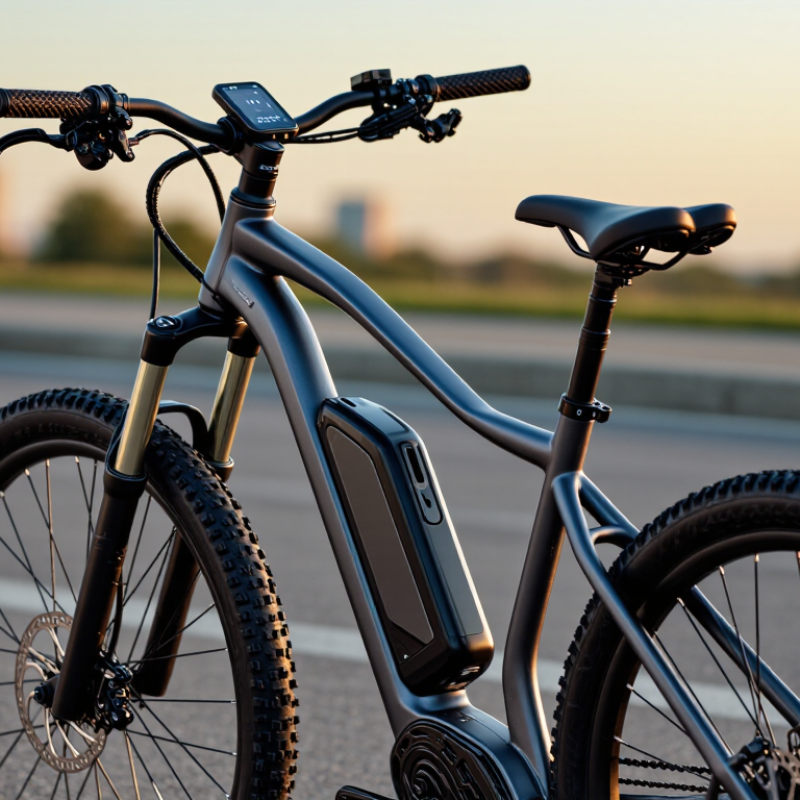
The 70L SE Bolt is best assessed by how its frame, battery, and controls work together. Look closely at the riding position: handlebar reach, saddle height, and foot placement should feel natural at a stop. Check where the battery sits and how easily it can be removed. Examine cable routing, brake access, and tire clearance, too. Small details matter. A tidy-looking frame is not automatically comfortable or easy to maintain.
Demand makes careful model comparisons useful. PeopleForBikes, citing NPD retail data, reported that U.S. electric-bike sales rose 240% between 2019 and 2021. That growth says little about any single bike’s quality, so specifications still deserve scrutiny. Confirm the exact motor, battery capacity, total weight, and charging details for this configuration; figures can vary by market or revision. Then consider a real test ride, especially over a curb cut or rough pavement. One detail is easy to overlook: a heavy bike can feel awkward when pushed, even if its riding position feels right. That deserves a second look.
A frame should feel steady without making the bike awkward to handle. On a test ride, notice how easily you can mount, turn, and keep your balance at low speed. Check the frame size and rider-height guidance against your own measurements. Fit matters. A clean finish is useful, but welds, joints, and cable routing deserve a closer look. Small details can affect long-term upkeep.
The components shape everyday comfort and control. Examine the brake type, tire dimensions, gearing, and handlebar position in the product specifications. These details influence stopping, grip, and posture on rough streets or longer rides. Don’t assume a part is included because it appears in a photo. Confirm what comes with the bike, and ask about service access for electrical components. A tidy cockpit helps, but it is not a substitute for a comfortable reach.
Key numbers should be checked before purchase: total weight, load limit, battery capacity, motor output, and charging time. Specifications can vary by configuration, so rely on the current product sheet rather than estimates. Still, numbers cannot describe every ride. A brief test on a familiar route may reveal a fit issue that looks minor on paper. That is worth noticing.
Frame material can affect a bike’s weight. This chart compares the approximate density of common frame metals; it is general reference data, not a confirmed specification for this bike.
Lower material density can mean less material weight for the same volume, but a frame’s actual weight depends on its design, dimensions, and construction.
A useful electric bike should feel composed, not merely powerful. On a quiet street, assistance should build smoothly as you press the pedals; on a short rise, it should respond without a lurch. Check the motor’s rated output and assistance settings, since the model’s name alone cannot confirm how it will climb. Test it on your usual route, including a stop and restart on an incline. Small details matter.
Battery capacity is only part of the range story. Rider weight, hills, temperature, tire pressure, and assistance level all change how far a charge lasts. BloombergNEF’s 2024 Battery Price Survey reported a 20% fall in average lithium-ion pack prices, to $115 per kilowatt-hour. That is industry context, not proof of this bike’s range or battery quality. The International Energy Agency reported electric-vehicle battery demand grew 40% in 2023, reflecting a rapidly expanding battery market, but not a direct measure of e-bike performance.
Ask for the battery’s watt-hour rating, charging time, and replacement support before deciding. Then ride with the assistance level you would actually use, not just the highest one. A brief test cannot recreate a wet commute or a long hill; I would be cautious about treating any single range estimate as a promise.
A comfortable electric bike should make its controls easy to reach without forcing a rider to look away from the road. Check that the display is readable in daylight and that the brake levers feel natural from your usual riding position. A smooth throttle response matters in crowded paths and tight turns. Still, control quality is personal; test the bike at low speed before relying on it for a daily commute. The 70L SE Bolt is best judged by its actual fit and handling, not by a feature list alone.
Safety is a habit, not a single component. A 2017 systematic review in Accident Analysis & Prevention found helmet use was associated with
69% lower odds of serious head injury among cyclists.
That figure supports wearing a correctly fitted helmet, but it does not guarantee protection in every crash. Look for predictable braking, working lights, and tires with sound tread. Small details matter. A loose handlebar or poorly adjusted brake can spoil an otherwise confident ride.
Tips: Set the saddle so your knee stays slightly bent at the bottom of each pedal stroke. Adjust the brake levers so your wrists remain relaxed. Before a longer ride, check tire pressure and test both brakes in a quiet area. Then ride for ten minutes and notice pressure points, glare, or controls that feel awkward. I would not assume one setup suits every rider; a short test ride can reveal what specifications cannot.
For daily errands, an electric bike is most useful when the route and cargo are predictable. A grocery run, a short commute, or a ride across a large campus can suit it well. Check the frame fit, riding position, and carrying capacity before buying; a heavy bag can change steering more than expected. Keep the battery within the maker’s recommended charging and storage guidance. Real-world distance varies with hills, rider weight, tire pressure, and assist level.
Maintenance is ordinary, but regular checks matter. Inspect tire pressure and tread weekly, test the brakes, and listen for new rattles. Clean the chain with a suitable bicycle product, then lubricate it lightly; excess oil attracts grit. Before longer rides, confirm that the lights work and fasteners feel secure. Charging and storage take planning, especially in a small home. That trade-off is easy to underestimate. Follow the manual’s service intervals, and ask a qualified bicycle mechanic about electrical faults.
Tips: Keep a small pump and tire levers nearby. Track battery use on your usual route for a few weeks. One ride will not predict every season.
Check handlebar reach, saddle height, foot placement, brake access, and tire clearance. A neat frame can still feel uncomfortable.
Sit on the bike and check whether your hands and feet rest naturally. A short test ride may reveal awkward reach.
Verify the motor, battery capacity, total weight, and charging details for the exact configuration. These figures may vary by market or revision.
It can suit short commutes, grocery trips, and large campuses. Check carrying capacity, since a heavy bag can affect steering.
Distance depends on hills, rider weight, tire pressure, and assist level. Track battery use on your usual route for a few weeks.
Check tire pressure and tread weekly, test the brakes, and listen for new rattles. Clean and lightly lubricate the chain.
Follow the manual’s charging and storage guidance. Plan where to charge it, especially in a small home.
Yes. It may feel awkward when pushed, even if the riding position feels right. Worth checking twice.
Check that the lights work and fasteners feel secure. Bring a small pump and tire levers; one ride cannot predict every season.
Ask a qualified bicycle mechanic. Guessing can make a small issue harder to diagnose.
The JE 70L SE Bolt Electric Bike is designed for riders seeking a practical electric bike for everyday trips and recreational rides. Its frame and component layout shape the overall fit, handling, and utility, while the key specifications help riders consider whether the bike suits their routes and needs. The motor and battery work together to support assisted riding, with performance influenced by terrain, rider input, and how the bike is used.
Controls and safety features contribute to a more confident riding experience, while comfort depends on fit, riding position, and the conditions of each trip. For daily use, it can be helpful to plan routes, keep the battery charged, and check essential components regularly. Understanding routine maintenance and ownership considerations can help riders make an informed choice and care for the bike over time.