
2000W Motor
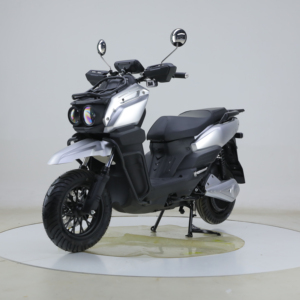
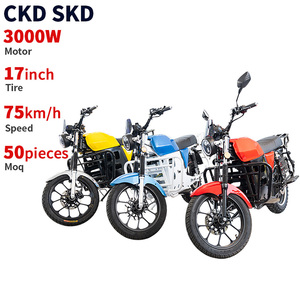
High-Power 2000W Lithium Electric Motorcycle (60km/h Speed)
Top Speed60 km/h
Rim TypeIntegrated Alloy
Motor2000W Hub
BatteryLithium LFP
Engineered for last-mile delivery fleets, high-speed urban commuting, and custom OEM motorcycle assembly worldwide.
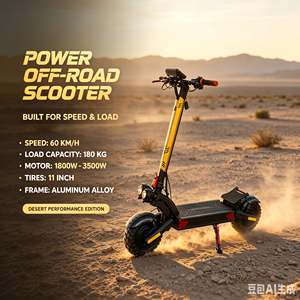
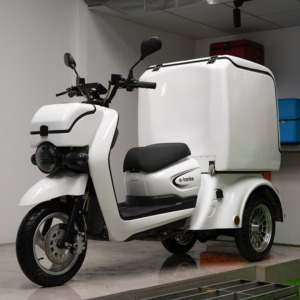
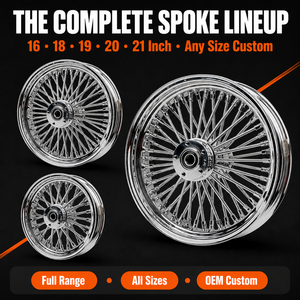
In the global two-wheeler OEM and ODM ecosystem, wheel rim integrity remains a foundational pillar of operational safety, vehicle dynamics, and energy efficiency. As electric motorcycles transition toward higher continuous power ratings (exceeding 7500W) and heavy-duty urban payload cycles (commercial last-mile delivery fleets carrying 180kg+), traditional steel spoked wheels face major operational constraints. This technical brief details the material science, low-pressure casting processes, and structural certification metrics behind CE Certified Aluminum Alloy Motorcycle Rims.
Technical Insight: Aluminum alloy wheels manufactured via Low-Pressure Die Casting (LPDC) utilizing A356.2 primary ingot material combined with T6 heat treatment exhibit a minimum tensile strength of 220 MPa and yield strength of 150 MPa—outperforming traditional gravity-cast alternatives by over 35% in impact fracture resistance.
The performance of motorcycle alloy rims depends heavily on precise chemical formulation. Standard low-cost aftermarket wheels frequently use secondary recycled scrap alloys (such as low-grade ADC12), which suffer from high silicon segregation, brittle fracture under radial impact, and internal micro-porosity. Certified OEM suppliers utilize high-purity primary A356.2 aluminum-silicon-magnesium alloy.
The controlled addition of Titanium (0.10–0.20%) acts as a grain refiner during solidification, while Sr (Strontium) modification converts acicular eutectic silicon into a fine fibrous microstructure. This structural refinement ensures high ductility and mechanical endurance during sudden curb impacts or continuous rough terrain stress.
To qualify for CE mark validation under EU standards (such as EN 15194 and ISO 4210 road compliance), cast wheel blanks undergo a strict three-stage T6 heat treatment sequence:
Heated to 535°C ± 5°C for 4 to 6 hours to dissolve $Mg_2Si$ phase completely into homogenous solid solution.
Rapid immersion in temperature-controlled water (60°C–80°C) within 15 seconds to lock in supersaturated solid solution.
Maintained at 155°C–165°C for 3 to 5 hours to achieve optimal coherent precipitation hardening ($Mg_2Si$ dispersion).
The following engineering data matrix highlights why leading OEM manufacturers specify A356-T6 alloy over conventional materials for high-stress motorcycle applications:
| Engineering Property | A356.2-T6 Cast Alloy | Standard ADC12 Alloy | 6061-T6 Forged Alloy | Steel Spoke Assembly |
|---|---|---|---|---|
| Tensile Strength ($R_m$) | 220 – 250 MPa | 150 – 180 MPa | 310 – 340 MPa | 380 – 450 MPa |
| Yield Strength ($R_{p0.2}$) | 150 – 180 MPa | 90 – 110 MPa | 275 – 300 MPa | 250 – 310 MPa |
| Elongation ($A_5$) | 5.0% – 8.0% | 1.0% – 2.0% | 10.0% – 12.0% | 12.0% – 15.0% |
| Brinell Hardness (HBW) | 75 – 90 HBW | 60 – 70 HBW | 95 – 105 HBW | 120 – 140 HBW |
| Tubeless Tire Retention | Optimal (CNC Bead) | Moderate Leakage Risk | Optimal | Requires Inner Tube |
| Corrosion Resistance | High (E-Coated) | Medium | Very High | Low (Spoke Rust Risk) |
As the international automotive industry accelerates toward decarbonization, motorcycle rim procurement is experiencing a major structural shift driven by three primary technological trends:
Commercial delivery fleet operators (such as last-mile logistics networks operating 1800W–3500W electric scooters) are standardizing on integrated die-cast alloy rims. The elimination of inner tube blowouts significantly reduces roadside downtime. Furthermore, tubeless alloy rims maintain constant air pressure longer, directly improving lithium battery efficiency by maintaining optimum tire rolling resistance.
Modern electric two-wheelers are migrating toward high-torque hub motor designs (reaching 3000W to 7500W peak output). Unlike traditional combustion engine motorcycles where wheel hubs only experience rotational drive stress, hub motor alloy wheels must accommodate intense electromagnetic heat transfer (operating temperatures up to 120°C) without suffering thermal distortion or magnetic ring displacement. Advanced CE certified alloy rims incorporate heat-radiating fin geometry directly into the inner rim hub structure.
Global import tariffs and international freight costs have forced motorcycle brands to import vehicles via Completely Knocked Down (CKD) or Semi-Knocked Down (SKD) kits. Certified suppliers now supply pre-balanced alloy wheel assemblies equipped with integrated disc brake rotors, high-grade bearings, and pre-fitted hub motors. This streamlines assembly line labor costs in regional assembly plants across South Asia, Africa, and Latin America.
Top-tier exporters are continuously advancing manufacturing methodologies to meet stricter weight-to-strength ratios and enhanced aesthetic standards:
Unlike old gravity casting, LPDC forces molten metal into the mold from bottom to top under controlled air pressure (0.2–0.6 bar). This eliminates air turbulence, resulting in dense grain structures free of micro-voids.
High-speed electric motorcycles (reaching 110km/h like the 7500W Mid-Drive series) require dynamic balance tolerances within 5 grams. Automated dynamic balancing CNC lines automatically mill non-structural balance pockets along the inner rim channel.
To pass 720-hour Neutral Salt Spray (NSS) corrosion testing (ISO 9227), rims undergo automated multi-stage Zirconium pre-treatment followed by cathodic electro-deposition (ED) primer and UV-stabilized polyester topcoat.
Combining robust factory infrastructure, rigorous testing laboratories, and end-to-end export execution.
Situated in dedicated industrial manufacturing complexes (such as our Sue Asil Road facility), featuring automated melting furnaces, CNC machining centers, and complete vehicle assembly bays.
Every alloy wheel batch is subjected to real-time industrial X-ray inspection to detect subsurface porosity, spectral alloy composition testing, and dynamic cornering fatigue testing under heavy load.
Specialized export packaging (custom palletized boxes, anti-vibration foam, export-grade moisture barrier foil) ensuring zero physical or cosmetic damage across transoceanic container shipping.
Whether you are sourcing high-strength A356-T6 aluminum alloy wheels or expanding your electric motorcycle fleet, our engineering team is ready to deliver factory-direct solutions.