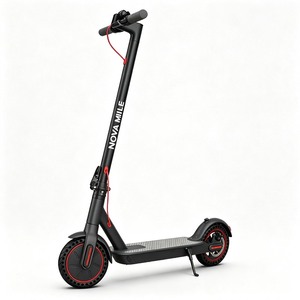
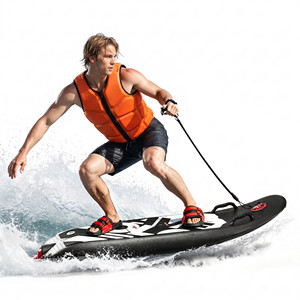
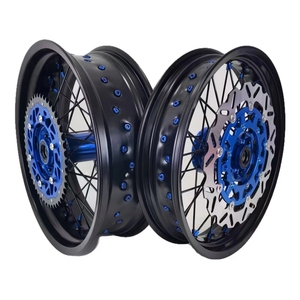
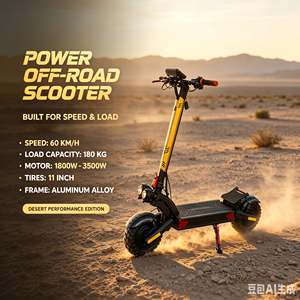
Explore our export-ready lineup of certified electric scooters, specialized water thrusters, utility vehicles, and high-tensile wheel systems built on our modular chassis platforms.
A comprehensive analysis on structural metallurgy, stress distribution, robotic TIG welding, and safety compliance for next-generation electric scooter chassis procurement.
In the rapidly evolving personal light electric vehicle (PLEV) market, the scooter frame represents up to 35% of overall vehicle structural integrity and rider safety. Sourcing a low-quality chassis introduces immense risks of metal fatigue, stem snapping, battery deck punctures, and catastrophic joint failure under high-velocity dynamic loads.
As a certified tier-1 OEM factory, our structural engineering focuses on combining high strength-to-weight ratios with optimized damping properties. By utilizing 6061-T6 aircraft-grade extruded aluminum tubes paired with high-precision pressure die-cast neck joints, our frames endure extreme stress concentrations at the head tube junction—the single most common failure point in modern commuter scooters.
Before physical prototypes enter extrusion lines, every chassis design undergoes computer-simulated multi-axial strain modeling. Our R&D engineering team evaluates flexural rigidity, torsional stiffness, and impact energy absorption under dynamic simulation profiles:
| Material Specification | Yield Strength (MPa) | Tensile Strength (MPa) | Corrosion Resistance | Ideal Application Profile |
|---|---|---|---|---|
| 6061-T6 Aluminum Alloy | 276 MPa | 310 MPa | Excellent (Anodized / Powder Coated) | High-speed foldable commuter scooters & urban sharing fleets. |
| 7075-T6 Ultra-Alloy | 503 MPa | 572 MPa | High (Needs cathodic dip coating) | Dual-motor off-road racing scooters (3500W+ peak output). |
| High-Tensile Carbon Steel (Q235/Q345) | 235 - 345 MPa | 400 - 510 MPa | Moderate (Requires anti-rust primer) | Heavy-duty commercial cargo & delivery e-motorcycles. |
| Magnesium Alloy (AZ91D Unibody) | 160 MPa | 230 MPa | Standard (Electrophoretic coating required) | Ultra-lightweight portable last-mile micro-scooters (<12kg total vehicle weight). |
From advanced robotic welding lines to thermal-stabilized LFP battery deck integration, our manufacturing hub delivers uncompromising industrial quality.
Equipped with 6-axis ABB robotic arm welding cells. Achieves uniform bead consistency, zero micro-porosity, and welding depth penetration accuracy within ±0.08mm across every chassis joint.
Our frame geometry, folding locking mechanisms, and structural load pathways are certified under European CE directives and EN 17128:2021 micro-mobility safety specifications.
Integrated under-deck chassis cavities designed with heat dissipation channels and IPX7 water-ingress sealing, specially optimized for Lithium Iron Phosphate (LFP) high-capacity cells in hot climates.
Every batch of manufactured frames undergoes X-ray and ultrasonic flaw detection to ensure no internal hairline cracks or stress fractures exist inside structural tubes.
Complete flexibility in custom mold tooling, stem geometry adjustment, hydraulic suspension mounting brackets, integrated wire-routing channels, and custom powder-coated colorways.
In-house tooling facility capable of producing 3D CNC functional frame prototypes within 14 business days, reducing time-to-market for prospective EV mobility brands.
Key technological and regulatory shifts reshaping how global brand buyers, fleet operators, and distributors procure electric two-wheeler frames.
Global procurement is rapidly pivoting toward universal chassis platforms. B2B buyers are demanding modular frames that allow seamless switching between fixed lithium battery packs and commercial swappable battery tray mechanisms. This modularity slashes OEM R&D costs and enables brands to service both consumer retail markets and commercial last-mile delivery fleets using a single core chassis tooling setup.
Moving away from traditional multi-tube weldments, leading manufacturers are adopting high-pressure magnesium-aluminum die-cast unibodies for steering stems and deck bases. This technique reduces overall frame assembly part count by up to 40%, eliminates weak weld lines, enhances structural rigidity under extreme braking torque, and delivers sleek aerodynamic profiles favored by modern European consumers.
Exposed wiring harnesses are no longer acceptable in commercial sharing fleets or premium consumer e-scooters. Next-generation frame procurement specs demand internal hydroformed channels capable of routing high-voltage phase wires, electronic brake cutoffs, CAN-bus communication lines, and IoT telematics modules directly through the reinforced steering column, achieving IPX6/IPX7 system-wide waterproofing.
With last-mile delivery fleets exploding worldwide, standard 100kg commuter frames are failing in commercial operating conditions. Procuring managers are shifting contract requirements toward heavy-duty chassis capable of supporting 180kg to 250kg dynamic payloads. These frames feature dual rear shock mounting plates, reinforced dropouts for high-torque hub motors (1800W–3500W), and thickened deck ribs.
Understanding the long-term technological trajectory of micro-mobility frame design and manufacturing over the next decade.
As electric scooters transition from low-speed sidewalk vehicles to primary urban commuters capable of speeds up to 60km/h - 80km/h, system voltages are elevating from 36V/48V to 60V and 72V high-capacity platforms. Frame engineers must adapt deck volume to accommodate larger series-parallel battery cell layouts while engineering enhanced thermal barriers between high-output motor controllers and frame structural walls.
Environmental, Social, and Governance (ESG) mandates in North America and Europe are driving demand for "Green Chassis" production. Future frame manufacturing relies heavily on low-carbon primary aluminum refined via hydroelectric power, alongside post-consumer recycled 6061 alloy formulations that maintain 98%+ of virgin material tensile properties while reducing embodied manufacturing carbon by up to 70%.
Frame design is evolving beyond static metal skeletons. Modern premium scooter frames feature hydro-formed swingarms engineered specifically to house upside-down hydraulic forks, rear adjustable coil-over oil dampers, and dual-piston hydraulic disc brake calipers. This holistic integration improves traction control and prevents frame distortion under emergency high-speed deceleration.
Get immediate answers regarding OEM customization, CE certification standards, quality testing, and container loading logistics.
Our frames undergo strict third-party laboratory verification including static load bending tests, dynamic impact resistance (head-tube forward drop test), handlebar fatigue strength testing over 100,000 cycles, folding mechanism latch security verification, and salt-spray corrosion chamber testing (ISO 9227) for 96 continuously exposed hours. Full CE test reports and material mill test certificates (MTC) are supplied with all batch shipments.
For standard catalog frames with custom powder coating and brand logo placement, our base MOQ is 100 units. For completely custom chassis designs requiring dedicated extrusion tooling and CNC die development, our standard MOQ is 500 units. We offer prototype tooling programs to produce 3–5 initial sample units for customer road testing prior to full mass production.
Yes. Our engineering team routinely modifies deck extrusion width, length, and internal ribbing to fit specific lithium-ion or Lithium Iron Phosphate (LFP) battery pack configurations. We can also pre-engineer mounting bosses for specific BMS boards, controller housings, and heavy-duty battery lock latches according to your technical CAD files.
Aluminum frames receive an initial alkaline etch, followed by a chromate conversion coating, and are finished with a durable electro-static thermosetting powder coat baked at 200°C. For steel components or delivery motorcycle chassis, we utilize cathodic electrophoresis dipping (ED-coating) prior to powder application, providing superior salt spray protection against rain, snow, and coastal ocean air.
We provide comprehensive surface treatment capabilities including high-gloss powder coating, matte/satin finish, anodizing (ideal for aluminum accents), hydro-dipped carbon fiber textures, laser-etched serial numbers, and custom screen-printed brand decals under clear coat protection.
Standard lead times for full container load (FCL) frame orders (approx. 500 to 1,200 frames depending on vehicle size) range from 25 to 35 calendar days from deposit receipt and final CAD sign-off. Sample prototypes are produced within 14 to 21 business days.
Accelerate your e-mobility brand's growth with industrial-grade, CE-certified electric scooter chassis, custom frame tooling, and factory-direct wholesale pricing.