
1. Technical Compliance Architecture: CE Standards & Testing Protocols
In global micro-mobility procurement, compliance is not merely a legal checkmark—it forms the structural cornerstone of market entry, risk mitigation, and brand sustainability. As a specialized original equipment manufacturer (OEM) and joint venture engineering factory, our manufacturing lines operate under strict adherence to European Union directives and international safety frameworks.
To obtain genuine CE Certification for electric scooters and e-bikes, a vehicle must satisfy multi-layered harmonized standards covering mechanical safety, electrical insulation, electromagnetic compatibility, and chemical risk management:
EN 17128:2020 Standard
Defines mechanical structure safety, chassis fatigue limits, speed governors (max 25 km/h for urban public roads), impact resistance, and dynamic braking requirements for personal light electric vehicles (PLEVs).
LVD & EMC Directives
Compliance with Low Voltage Directive (2014/35/EU) and Electromagnetic Compatibility Directive (2014/30/EU), preventing radio interference and guaranteeing 100% electrical insulation during high-power fast charging.
Battery Thermal Safety
UN38.3 transport safety certification coupled with MSDS, EN 62133 battery isolation standards, and intelligent BMS active thermal throttling to eliminate thermal runaway risks under 50°C peak ambient heat.
Every batch produced in our facilities undergoes rigorous automated quality control (QC). Our laboratory infrastructure includes dynamic frame stress testing rigs (exceeding 100,000 cycles at 150 kg loading), salt spray corrosion chambers for coastal export durability, IPX5/IPX7 waterproof testing booths, and dyno-bench motor efficiency mapping.
2. Corporate Infrastructure & Manufacturing Engineering Supremacy
Rooted in real-world operational resilience, our production ecosystem bridges precision metalwork, robotic frame welding, automated SMT PCB assembly for controllers, and end-of-line diagnostic benchmarking. Referencing proven industrial setups like Jolta Electric—Pakistan's pioneering electric two-wheeler manufacturer operating dedicated assembly plants on Sue Asil Road, Lahore, alongside modern corporate hubs at Askari Corporate Tower—our operational methodology prioritizes high-heat tolerance, heavy payload durability, and localized spare part availability.
Whether servicing regional commuter demands across South Asia, navigating strict urban regulations in Western Europe, or supporting cross-border logistics in South America, our factory supplies versatile assembly formats tailored to tariff and logistics optimization:
| Assembly Mode | Container Efficiency | Tariff Advantage | Local Labor Requirement | Target Buyer Profile |
|---|---|---|---|---|
| CBU (Completely Built Up) | Standard (~120 units/40HQ) | Standard Import Duty | Zero (Ready for Immediate Sale) | E-commerce Sellers, Retail Networks |
| SKD (Semi-Knocked Down) | High (~220 units/40HQ) | 5% to 15% Duty Reduction | Low (Basic Wheel & Handlebar Assembly) | Regional Wholesalers, Fleet Operators |
| CKD (Completely Knocked Down) | Maximum (~350+ units/40HQ) | Maximum Duty Concession (SKD/CKD Rate) | Full Assembly & QC Line Integration | Domestic Brands, OEM Factory Partners |
3. Global Procurement Trends for Electric Mobility (2025–2030)
As micro-mobility transitions from a disruptive consumer novelty into mainstream municipal transit and commercial last-mile delivery, procurement managers must adapt to structural market shifts. Key sourcing trends influencing commercial orders include:
A. Shift Toward Lithium Iron Phosphate (LFP) Battery Chemistry
While traditional Nickel Manganese Cobalt (NMC) batteries offer marginal gravimetric energy density advantages, procurement directors are aggressively transitioning to LFP (LiFePO4) battery packs. LFP delivers exceptional thermal stability, eliminates cobalt supply chain vulnerabilities, and extends battery cycle life from 800 cycles to over 3,000 cycles. For commercial delivery fleets and hot-climate operators (such as Middle Eastern and South Asian transit routes), LFP dramatically lowers Total Cost of Ownership (TCO).
B. Telematics-Integrated Commercial Fleets (IoT & Swappable Ecosystems)
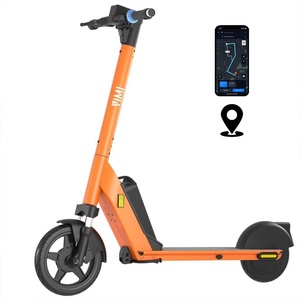
Modern commercial scooter procurement requires built-in CAN-bus telematics. Rental operators and logistics companies require centralized fleet management tools: remote GPS positioning, OTA (Over-The-Air) firmware updates, geofencing speed limits, tilt/tamper alert triggers, and swappable battery lock protocols. Products designed with modular swappable battery bays enable 24/7 continuous duty cycles without downtime.
C. High-Power Dual-Motor Off-Road & All-Terrain Versatility
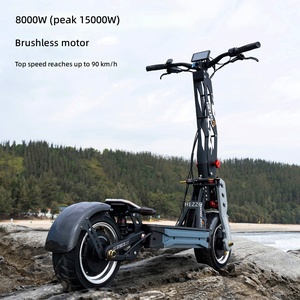
Consumer preferences have expanded beyond flat-pavement 250W commuter scooters. High-end demand is surging for dual-motor configurations (ranging from 1000W up to 8000W peak output) equipped with full hydraulic suspension and fat-tire cross-country stability. These heavy-duty platforms cater to outdoor sports enthusiasts, rural commuting, and terrain-challenged geographies.
4. Technology Development & Engineering Innovation Trends
To stay ahead of global competition, our R&D center concentrates engineering resources on four foundational technological vector advances:
- Field-Oriented Control (FOC) Sine-Wave Controllers: Replacing older trapezoidal wave controllers, FOC systems yield over 93% motor energy conversion efficiency, quiet motor operation, smoother throttle acceleration profiles, and optimized regenerative braking energy recovery.
- Integrated High-Strength Aviation Aluminum Chassis: Replacing heavy steel tubing with cold-forged 6061-T6 aircraft-grade aluminum alloy reduces frame weight by 35% while increasing torsional rigidity under extreme load stresses.
- Smart BMS with Active Cell Balancing: Next-gen Battery Management Systems continuously monitor individual cell voltages, ambient temperatures, and internal resistance, preventing over-charge, deep discharge, and short-circuit faults.
- Modular Automotive-Grade Wiring Harnesses: Waterproof IP67 quick-connect cabling ensures straightforward maintenance, component replacement, and reduced downtime in field operations.
5. Technical Specifications Comparison Matrix
Compare performance envelopes across our primary commercial vehicle platforms to determine the ideal spec-sheet for your target market distribution:
| Vehicle Class | Motor Rating | Battery Platform | Top Speed | Max Range | Braking Architecture | Ideal Application |
|---|---|---|---|---|---|---|
| 8000W Off-Road Dual-Motor | 4000W x 2 Dual Hub | 72V / 60V High Rate Lithium | 85 - 100 km/h | 90 - 120 km | Front & Rear Hydraulic Disc | Extreme Sports, Cross-Border E-Commerce |
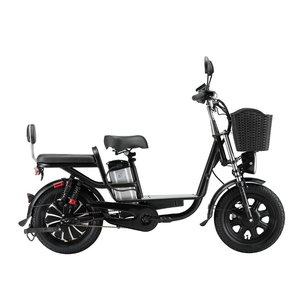
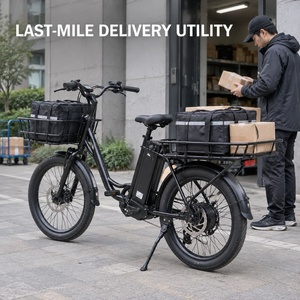
| Commercial Delivery E-Bike | 350W - 1000W Mid/Hub | 36V / 48V Removable LFP | 25 - 45 km/h | 70 - 100 km | Front/Rear Hydraulic + Cargo Rack | Last-Mile Logistics, Food Delivery Fleets |
| Shared IoT Rental Scooter | 500W - 800W Rear Hub | 48V Swappable Battery Pack | 25 km/h (Gov) | 50 - 65 km | Front E-ABS + Rear Drum/Disc | Urban Dockless Rental Operations |
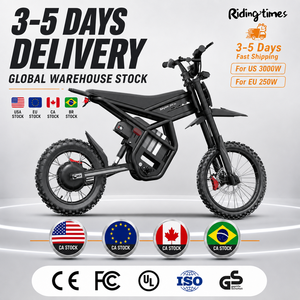
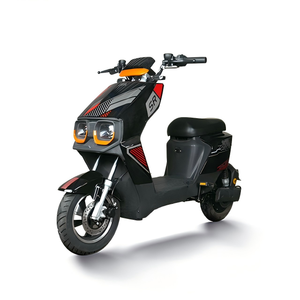
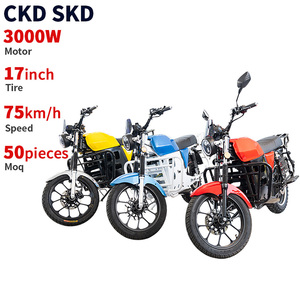
| Heavy Duty Electric Motorcycle | 2000W - 3000W Brushless | 60V / 72V 30Ah-50Ah LFP | 60 - 80 km/h | 100 - 120 km | Combined Braking System (CBS) Disc | Suburban Commuting, Highway Transit |
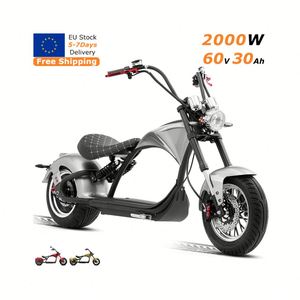
| Citycoco Fat-Tire Chopper | 2000W Heavy Hub | 60V 30Ah Lithium-ion | 45 - 60 km/h | 60 - 80 km | Hydraulic Disc + Fat Tire Cushion | Leisure Tourism, Urban Lifestyle Retail |
6. Frequently Asked Questions (FAQ) for Importers & B2B Buyers
Are your electric scooters fully certified for legal import into EU & North American markets?
What is your Minimum Order Quantity (MOQ) and sample lead time?
Do you support OEM / ODM design customization and private labeling?
How are warranty claims and spare parts handled for overseas partners?
Can we import vehicles in CKD/SKD formats to reduce import duties?
Accelerate Your Commercial Mobility Strategy Today
Partner directly with a certified manufacturing leader. Contact our engineering and commercial sales division for direct factory pricing, OEM catalogs, compliance dossiers, and container shipping quotes.