High-Performance Fleet Models & Components
Engineered for maximum uptime, thermal resilience, and low Total Cost of Ownership (TCO). Explore China's leading commercial-grade electric motorcycles, high-power delivery scooters, and specialized endurance components.
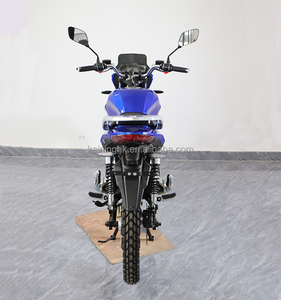
72V 32Ah 1200W Electric Motorcycle 100kmh Mountain E-dirt Ebike
High-torque off-road fleet platform equipped with a robust 72V 32Ah power matrix. Designed for rugged terrain traversal, rural express delivery, and extreme physical durability.
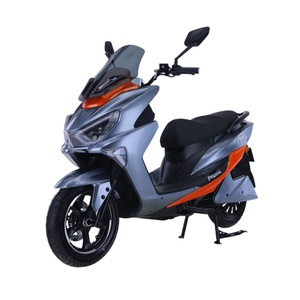
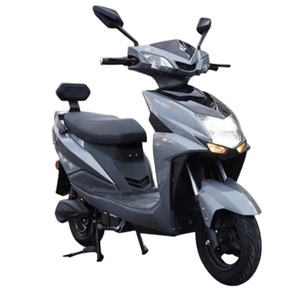
China Manufacturer High Speed 2000W High Power Adults Electric Scooter
Heavy-duty 2000W adult electric scooter built for commercial fast-transit routes. Features reinforced chassis architecture and elevated heat dissipation controllers.
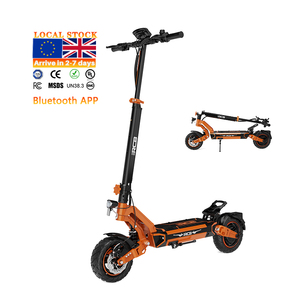
Foldable Electric Scooter RCB D7 25km/h 10 Inch Off Road 90km Range 48V 20.8Ah
Long-range foldable multi-utility scooter. Integrates a high-density 48V 20.8Ah battery pack providing up to 90km operational radius for flexible urban deployment.
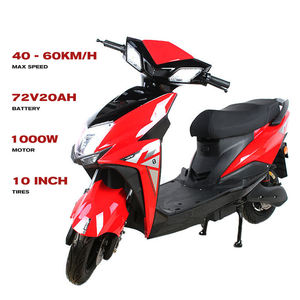
New Two-wheel Electric Scooter Fast 60km/H 2000w 72v20ah 200kg Lithium Battery
Heavy-load delivery platform boasting a 200kg payload tolerance. Powered by a 2000W brushless hub motor and high-rate discharge 72V Lithium battery system.
High Cost Performance Fast Electric Scooter for Adults Big Wheels
Commercial fleet workhorse engineered for maximum cost-to-performance ratio. Large wheel design offers superior obstacle clearance and smooth urban cruising.
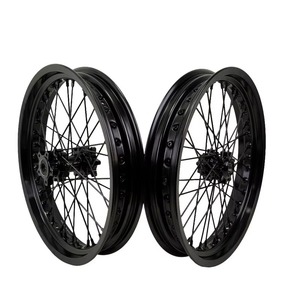
CNC Aluminum Complete Upgrade Spoked Wheel Set Magnesia Color 19x1.6 16x2.15
High-strength CNC aluminum alloy spoked wheel assembly. Essential heavy-duty upgrade hardware for fleet electric dirt bikes and tough-terrain utility vehicles.
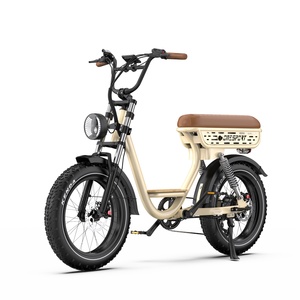
Onesport W77 Electric Mountain Bicycle 48V Urban Commute 7 Speed Versatile
Versatile 48V hybrid electric bike tailored for urban delivery couriers and multi-modal fleet operators looking for pedal-assist extended range capabilities.
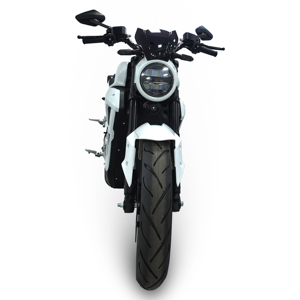
2024 Hot Sale Motor Scooter 3000w 80kmph High Speed Powerful Electric Scooter
Ultra-high-power 3000W electric motorcycle scooter achieving speeds up to 80km/h. Engineered for rapid express delivery and heavy cargo transit across urban centers.
15+
Years Manufacturing Excellence
120k
Annual Production Capacity
65+
Global Export Markets
Executive Overview: The Commercial Fleet Electrification Blueprint
The global last-mile logistics and commercial transport sectors are undergoing a structural shift. Driven by municipal zero-emission mandates, skyrocketing hydrocarbon costs, and stringent ESG compliance requirements, commercial enterprise operators are transitioning from internal combustion engine (ICE) fleets to light electric vehicles (LEVs). As the world's primary manufacturing hub for e-mobility, China produces over 80% of global commercial electric scooters, motorcycles, and utility two-wheelers.
However, procuring electric fleet scooters differs fundamentally from sourcing consumer-grade electric bikes. Fleet vehicles operate under severe conditions: daily duty cycles exceeding 10 to 14 hours, continuous payloads upwards of 150kg to 200kg, aggressive acceleration profiles, and exposure to thermal extremes. Procurement officers, fleet managers, and OEM importers require deep technical insights into battery chemistry stability, frame yield strength, CAN-bus telemetry integration, and total cost of ownership (TCO) optimization.
"Commercial electric fleet reliability is defined by three vectors: structural structural fatigue endurance, thermal management under high C-rate discharge, and real-time telematics integration. Sourcing directly from verified Chinese OEMs bridges high-tier technical engineering with sustainable unit economics."
Enterprise Manufacturing Capabilities & OEM Sourcing Superiority
Selecting the right Chinese electric fleet scooter manufacturer requires assessing production architecture, quality assurance protocols, and engineering flexibility. Leading Chinese tier-1 suppliers do not merely assemble parts; they maintain end-to-end control over critical sub-assemblies.
Automated Robotic Chassis Welding
High-tensile cold-drawn Q235 steel and aluminum alloy frames welded using multi-axis robotic arms. Every chassis undergoes stress-strain testing and dynamic fatigue testing exceeding 500,000 cycles.
Automated BMS & Battery Pack Assembly
State-of-the-art cleanroom pack assembly lines utilizing grade-A Lithium Iron Phosphate (LiFePO4) and NMC cells. Integrated Smart BMS features active balancing, temperature monitoring, and over-current isolation.
IP67 Waterproofing & Environmental Testing
Full vehicle weatherproofing designed for wet tropical climates and harsh winter conditions. Electronic control units (ECUs), hub motors, and wiring harnesses certified to IP67 ingress protection.
Fleet Architecture: Commercial vs. Consumer Electric Scooters
To safeguard your fleet investment, consider the stark structural and electrical differences between consumer-grade scooters and commercial delivery vehicles:
| Engineering Parameter |
Consumer Electric Scooter |
Commercial Fleet Electric Scooter |
Fleet Impact & Business Advantage |
| Daily Operating Radius |
15 - 30 km / day |
80 - 160+ km / day (Multi-shift) |
Enables continuous duty cycles and higher daily delivery yield per vehicle. |
| Battery Cell Chemistry |
Standard NMC / Lead-Acid |
Heavy-duty LiFePO4 (LFP) / Swappable NMC |
Extends battery cycle life from ~600 cycles to 2,000–3,500+ full charge cycles. |
| Maximum Payload Rating |
90 - 120 kg |
180 - 250 kg reinforced rear rack |
Prevents structural frame snap under heavy cargo boxes and commercial loads. |
| Motor & Thermal Control |
Passive air-cooled hub (500W-1200W) |
Heavy-duty magnetic hub/mid-drive (2000W-3000W) |
Sustains hill climbs with full load without thermal throttling or motor cutout. |
| Telemetry & Data Bus |
Basic Bluetooth / Segmented LCD |
4G IoT ECU + CAN-Bus 2.0B Integration |
Enables real-time GPS tracking, remote diagnostics, geofencing, and predictive maintenance. |
Future Fleet Procurement Trends (2025 – 2030)
The commercial fleet purchasing landscape is evolving rapidly. Global procurement agencies are shifting from simple hardware purchases to integrated EV-as-a-Service (EVaaS) procurement strategies. Sourcing directors must align their supply chain criteria with the following emerging macroeconomic and technological trends:
1. Standardized Battery Swapping (BaaS) Systems
Charging downtime directly erodes logistics revenue. Future-proof fleets are standardizing around 60V and 72V dual-battery quick-swap compartments. Swappable infrastructure allows couriers to exchange depleted battery modules for fully charged units in under 30 seconds at automated swapping stations, eliminating charger bottlenecks.
2. LFP (Lithium Iron Phosphate) Dominance
While NMC chemistry dominated early light EV markets due to volumetric density, fleet operators are standardizing on LFP (LiFePO4) battery packs. LFP offers unparalleled thermal runaway safety, lower raw material volatility, and extraordinary longevity (up to 3,500 cycles before reaching 80% capacity), drastically lowering replacement capital expenditure.
3. Modular Chassis for Multi-Purpose Duty
Enterprises prefer modular vehicle platforms over single-purpose body designs. Modern Chinese OEM platforms utilize universal chassis architectures that transform from standard passenger scooters into heavy delivery bikes, insulated food delivery rigs, or municipal service vehicles via quick-release structural mounting brackets.
Product Development & Engineering Innovations
Chinese manufacturers lead global patent filings in electric vehicle power electronics, drive motors, and telematics systems. Below are the key technological breakthroughs driving the current generation of commercial fleet scooters:
A. Advanced Telematics & IoT (Internet of Things) Integration
Modern fleet management requires granular real-time operational data. Leading Chinese OEMs integrate 4G/5G-enabled IoT hardware natively into the scooter's main CAN-bus system. This allows fleet management platforms to monitor cell-level voltage imbalances, controller temperatures, motor efficiency metrics, driver behavior, and real-time GPS locations via cloud APIs. Remote Over-the-Air (OTA) firmware updates ensure fleet software remains secure and optimized without vehicle recalls.
B. High-Efficiency Field-Oriented Control (FOC) Vector Controllers
Transitioning away from noisy, inefficient square-wave controllers, contemporary commercial scooters utilize sine-wave Field-Oriented Control (FOC) algorithms. FOC controllers dynamically match current vectors to motor loads, delivering up to 93% electrical efficiency, smooth low-speed torque delivery for steep gradient climbs, and whisper-quiet motor operation.
C. Regenerative Energy Recovery Braking Systems (E-ABS)
Stop-and-go urban delivery routes consume massive braking energy. Modern engineering integrates electronic Anti-lock Braking Systems (E-ABS) with variable regenerative braking. When the rider engages the brake levers, the system converts kinetic momentum back into stored DC electrical energy, extending real-world operating range by 8% to 15% while extending mechanical brake pad service intervals by three-fold.
Comprehensive Procurement FAQ: Sourcing Chinese Fleet Scooters
Direct answers to crucial commercial, technical, and regulatory questions encountered during international B2B fleet procurement.
✔
How do Chinese electric scooter manufacturers ensure international compliance and homologation?
Established Chinese suppliers manufacture vehicles compliant with major international standards. For Europe, vehicles carry EEC/e-Mark (Whole Vehicle Type Approval) certification covering L1e to L3e categories. For North America, vehicles comply with DOT, EPA, and UL safety standards (specifically UL 2271 for battery safety and UL 2272 for electrical systems). Always request test reports issued by recognized notified bodies (such as TÜV Rheinland, SGS, or Intertek) prior to signing purchase agreements.
✔
What is the typical Minimum Order Quantity (MOQ) and lead time for OEM/ODM fleet orders?
Standard MOQ for factory-customized fleet vehicles (custom colors, corporate branding, telematics integration, and specialized racks) typically starts at one 20ft container (approx. 24 to 32 units depending on vehicle dimensions) or one 40ft HQ container (approx. 60 to 75 units). Production lead time ranges between 30 to 45 days post-sample approval, with sample production taking approximately 15 to 25 days.
✔
How are lithium battery sea freight logistics and hazard certifications managed?
Lithium batteries are classified as Class 9 Dangerous Goods (UN3480 for standalone batteries, UN3481 when packed inside equipment). Tier-1 manufacturers handle compliance documentation, providing UN38.3 test summaries, Material Safety Data Sheets (MSDS), and Dangerous Goods (DG) packing certificates. Ships are booked with qualified DG carriers to ensure smooth customs clearance at destination ports.
✔
What spare parts ratio should enterprise buyers include in initial container shipments?
For continuous commercial fleet operations, we recommend importing a 3% to 5% spare parts buffer alongside the vehicle fleet. Essential replacement stock includes: brake pads, tires and inner tubes, throttle assemblies, spare controllers, LED lighting modules, and replacement rear shocks. Key components like motors and frame structures carry lower failure rates but should be supported with 1-2% back-up inventory.
✔
Can third-party fleet tracking software (SaaS) integrate directly into the vehicle's ECU?
Yes. Premier Chinese OEM manufacturers provide open API documentation, SDKs, and transparent CAN-bus protocol definitions (J1939 or custom CAN 2.0B). This allows enterprise clients to integrate existing proprietary software, white-label fleet management dashboards, or third-party platforms (such as Teltonika, Navixy, or Flespi) seamlessly.
✔
What warranty terms are typical for commercial electric scooter fleets?
Commercial warranties are structured separately by component: Main frame structures typically carry 3 to 5-year structural warranties; Grade-A Lithium battery packs (LFP) carry 2 to 3 years or 2,000 charge cycles (whichever occurs first); motors and controllers carry 12 to 24 months. Standard wear-and-tear items (tires, cables, brake pads) are excluded under commercial usage terms.
The Ultimate Factory Audit & Sourcing Checklist
Before issuing a Purchase Order (PO) to a Chinese electric scooter supplier, verify that the factory meets these mandatory auditing criteria:
-
[ ]
Quality Management System Certifications: Verify active ISO 9001:2015 certification covering vehicle design, metal stamping, assembly, and testing procedures.
-
[ ]
Battery Cell Traceability: Ensure the factory sources tier-1 brand battery cells (e.g., CATL, BYD, EVE, or Gotion) with traceable batch serial numbers.
-
[ ]
End-of-Line (EOL) Testing Facilities: Check for in-house chassis dyno testing, automated brake testing rigs, water spray waterproof chambers, and high-voltage insulation tester units.
-
[ ]
IP & Custom Tooling Protection: Verify non-disclosure agreements (NDAs) and custom mold protection contracts to safeguard proprietary frame modifications or unique vehicle fairings.
Accelerate Your Fleet Electrification Today
Connect directly with our engineering specialists and global procurement team. Receive detailed technical datasheets, wholesale price schedules, container loading plans, and customized OEM/ODM quotes tailored to your business needs.