As global urban transportation shifts decisively toward zero-emission micro-mobility, sourcing high-reliability electric scooters and light e-motorcycles directly from Tier-1 Chinese export manufacturing centers has become a strategic priority for commercial distributors, OEM brand owners, and fleet operators worldwide. China accounts for over 85% of global light electric vehicle production capacity, driven by unmatched industrial clustering across key manufacturing nodes including Zhejiang, Jiangsu, Guangdong, and Shandong provinces.
However, navigating the global supply landscape requires rigorous evaluation beyond baseline FOB pricing. Enterprise buyers must analyze battery pack thermal management systems (NMC vs. LFP), motor controller efficiency curves, IP-rating waterproofing certifications, frame fatigue thresholds, and international compliance structures (CE, EN 17128, EEC CoC, UL2272). This report provides an authoritative framework to evaluate export-ready manufacturing partners and explore top-performing electric scooter platforms engineered for long-term commercial longevity.
Below is a curated selection of premier electric scooters, light commuter motorcycles, and urban scooties available for high-volume B2B export, CKD/SKD distribution, and custom OEM/ODM brand manufacturing.
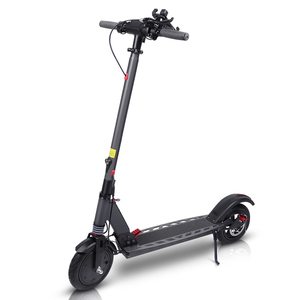
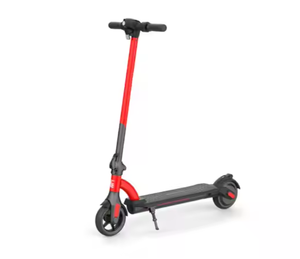
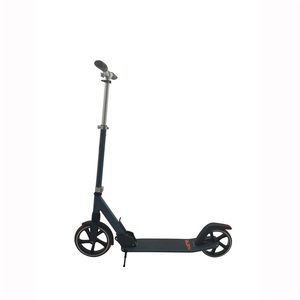
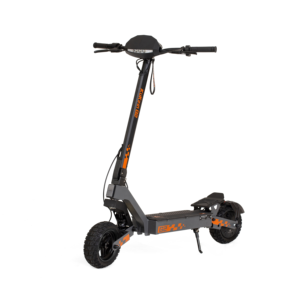
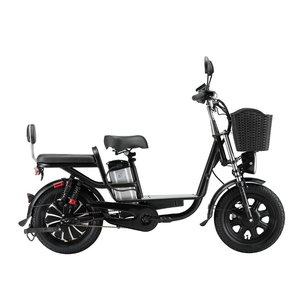
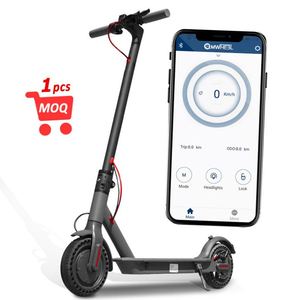
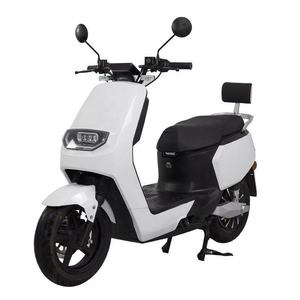
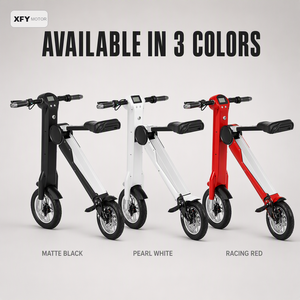
The electric two-wheeler industry has transitioned from basic lead-acid commuter vehicles to sophisticated electric propulsion platforms featuring automotive-grade battery management systems (BMS), vector magnetic control systems, and high-tensile steel/aluminum alloy frames. Importers must benchmark key technical specifications when selecting manufacturing partners.
Lithium Iron Phosphate (LiFePO4 / LFP) chemistry has emerged as the preferred power choice for heavy daily usage and high-temperature ambient climates (35°C to 50°C). LFP packs offer superior thermal runaway resistance, zero fire propagation risks, and over 2,000 to 3,000 full charge cycles—more than triple standard NMC packs.
Modern Chinese export factories integrate intelligent Battery Management Systems operating on CAN-BUS protocols. This allows real-time cell balancing, thermal sensing, over-current protection, and remote telemetry integration via mobile IoT modules for commercial fleet management.
Field-Oriented Control (FOC) sine-wave controllers optimize energy conversion efficiency up to 92-95%. FOC technology eliminates electrical noise during acceleration, delivers linear power delivery, and recovers kinetic energy through multi-stage regenerative braking.
To ensure long-term commercial performance, B2B buyers must specify exact component grade parameters during contract negotiations:
| Specification Feature | Standard Consumer Grade (Entry Level) | Enterprise Fleet / OEM Premium Grade |
|---|---|---|
| Battery Chemistry | Ternary Lithium (NMC) or Lead-Acid | Automotive Grade LiFePO4 (LFP) with Smart BMS |
| Expected Cycle Life | 500 – 800 Full Discharge Cycles | 2,000 – 3,500 Full Discharge Cycles (80% DOD) |
| Frame Material & Tensile Strength | Standard Q235 Carbon Steel Tube | Cold-Drawn Seamless High-Strength Steel / 6061-T6 Aluminum |
| Ingress Protection Rating | IPX4 (Splash Resistant) | IP67 Sealed Battery Chamber & Motor Enclosure |
| Braking Architecture | Single Front Disc / Rear Mechanical Drum | CBS Hydraulic Dual-Disc with Electronic Regenerative Braking |
| Controller Technology | Standard Square-Wave Controller | Programmable FOC Sine-Wave Controller with CAN Telemetry |
Strategic purchasing managers must align their 2026–2030 inventory strategy with major international shifts in regulatory compliance, logistics cost structures, and modular vehicle design. Key procurement trends shaping the Chinese electric scooter export ecosystem include:
To circumvent rising import tariffs and regional import taxes, major importers in South Asia, South America, and Europe are transitioning from CBU (Completely Built Up) shipments to CKD (Completely Knocked Down) and SKD (Semi-Knocked Down) logistics. Premium Chinese factories now offer optimized CKD packaging kits that maximize 40ft HQ container density by up to 250-300%.
Regulatory scrutiny around light electric vehicles is heightening. EU markets strictly enforce EN 17128 for personal light electric vehicles (PLEVs) and EEC CoC certification for road-legal L1e/L3e mopeds. In North America, UL 2272 electrical safety certification for lithium battery systems has become non-negotiable for retail and commercial entry.
Rapid increases in global petrol prices have accelerated the economic tipping point. Commercial delivery operations replacing internal combustion engine (ICE) 125cc motorcycles with high-capacity 2000W electric alternatives report operational expense (OPEX) reductions of up to 75-85% within the first 12 months of fleet deployment.
A qualified OEM/ODM exporter must demonstrate robust industrial operational standards across every phase of design, production, and quality assurance. Leading Chinese manufacturers operate fully integrated production facilities featuring automated robot welding, SMT circuit assembly lines, and climate-controlled battery pack assembly cleanrooms.
Top export-focused factories utilize standardized quality control frameworks including ISO 9001:2015 management systems, automated chassis stress dynamic testing, motor dynamometer efficiency mapping, and 100% full-load rain-chamber waterproofing verification prior to container loading.
Request Factory Audit & Audit Report
Clear answers to common legal, logistical, and technical questions encountered by global importers when sourcing electric scooters from China.
Connect directly with certified engineering teams, request factory FOB rate cards, custom branding specifications, and sample evaluation units.
Inquire Now