Explore benchmark electric two-wheeler platforms and energy storage modules manufactured under strict IATF 16949 & ISO 9001 quality systems for global export.
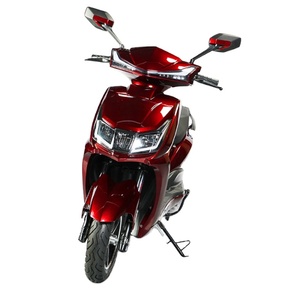
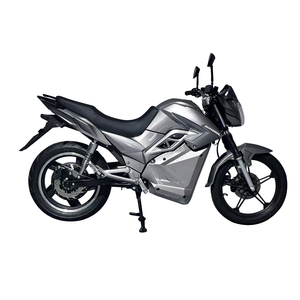
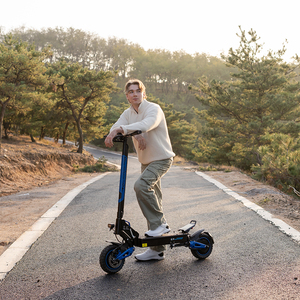
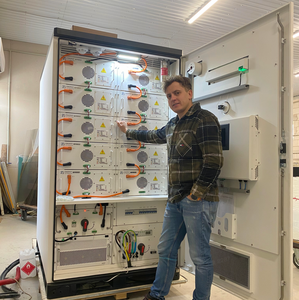
Analyzing structural capabilities, robotic assembly standards, and lithium iron phosphate (LFP) integration in tier-one electric two-wheeler production facilities.
Selecting the right China OEM electric motorbike factory requires a rigorous evaluation that goes far beyond surface-level unit pricing. In today’s competitive e-mobility sector, modern manufacturing ecosystems must harmonize mechanical frame structural integrity, advanced electronic control units (ECU), vector sine-wave controllers, and high-density battery chemistries. Leading OEM factories engineered in industrial hubs—including specialized facilities operating in Sue Asil Road and major manufacturing zones—demonstrate that long-term reliability is built on systematic design and standardized quality control protocols.
OEM Growth Insight: Global buyers shifting from generic trading suppliers to tier-1 manufacturing plants reduce after-sales warranty claims by up to 64% through direct field-oriented control (FOC) firmware configuration and automated robotic chassis welding.
Tier-1 OEM factories utilize automated robotic CO2/Argon shielded welding lines to ensure seamless frame joint penetration. Standardized frame stress tests evaluate torsional rigidity over 500,000 vibration cycles, ensuring zero fatigue fractures even on demanding road conditions across South Asia, Africa, and Latin America.
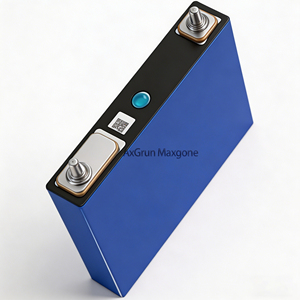
Moving beyond volatile NCM formulations, premier OEM production lines deploy Lithium Iron Phosphate (LiFePO4) prismatic cells. Featuring localized Smart BMS architectures with active cell balancing, these battery systems maintain thermal stability in ambient temperatures exceeding 45°C while delivering up to 4,000 operational charge cycles.
Custom OEM electric motorcycles undergo stringent environmental sealing tests. Brushless DC hub motors and mid-drive powertrains receive complete IP67 waterproof enclosure treatments, protecting hall sensors and stator windings against monsoon submersions, heavy dust, and corrosive salt environments.
The global EV supply network is experiencing a structural pivot. B2B importers, regional brand owners, and government mobility program buyers are adjusting their procurement directives to address supply chain risk, trade tariff adjustments, and long-term total cost of ownership (TCO).
1. Modular CKD/SKD Kit Distribution: Tariff barriers on fully built units (CBU) have accelerated demand for Completely Knocked Down (CKD) and Semi-Knocked Down (SKD) shipping configurations. Premier Chinese OEM factories now provide standardized modular assembly kits complete with jig alignment tools, wiring harness color-coding, and factory technician training programs. This framework allows regional distributors to establish localized assembly facilities, lowering import duty burdens by 15% to 40%.
2. Smart Telematics & CAN-Bus Integration: Commercial fleet operators require granular operational visibility. Modern OEM manufacturing incorporates unified Controller Area Network (CAN-bus) architectures. Integrated IoT modules transmit real-time state-of-charge (SoC), remote diagnostic codes, geo-fencing data, and Over-The-Air (OTA) firmware updates directly to enterprise fleet management dashboards.
3. Standardized Battery Swapping Ecosystems: For last-mile delivery fleets and urban micro-mobility providers, vehicle downtime translates to lost revenue. OEM factories are increasingly standardizing battery compartment dimensions and quick-release connector interfaces to align with universal battery swapping stations (BSS), allowing 30-second battery swaps and continuous vehicle operation.
Engineering innovation in the electric motorbike manufacturing space is moving toward higher system efficiency, lighter structural alloys, and advanced solid-state energy storage integration. OEM manufacturers are focusing R&D expenditure on several core technologies:
Silicon Carbide (SiC) Inverters & FOC Controllers: Next-generation electric sport motorcycles are replacing traditional MOSFET controllers with Silicon Carbide (SiC) power electronics. SiC inverters reduce switching losses by up to 70%, increase overall powertrain thermal efficiency, and extend real-world commuting range by 8% to 12% without increasing battery pack size.
High-Voltage Architecture (72V / 96V Systems): Transitioning from legacy 48V/60V setups to 72V and 96V platforms reduces current draw for identical power outputs. This lower current density reduces heat generation within internal wiring harnesses, decreases copper material usage, and enables sustained high-speed highway cruising without thermal throttling.
Engineering Benchmark: High-voltage 72V platforms paired with 2000W - 5000W rated motors consistently achieve sustained speeds of 80–100 km/h while maintaining battery cell temperatures well within safe operational envelopes.
Sustainable & Recyclable Material Sourcing: Environmental compliance standards (such as the EU Battery Regulation) demand full supply chain traceability. Advanced Chinese OEM facilities are integrating closed-loop aluminum alloy recycling for chassis manufacturing, low-VOC electrostatic powder coatings, and ethically sourced raw materials certified under international ESG standards.
Essential guidance for commercial buyers, brand managers, and fleet importers evaluating Chinese OEM electric motorbike manufacturing partnerships.
Standard OEM customization orders typically require a Minimum Order Quantity (MOQ) of 50 to 100 units per base chassis platform to justify custom frame molding, specific paint matching, and localized branding. However, for initial prototype testing and sample validation, many factories accommodate smaller batch trial orders of 5 to 10 units for established commercial buyers.
Tier-1 OEM factories maintain pre-certified vehicle platforms compliant with European Whole Vehicle Type Approval (e-Mark / EEC), US Department of Transportation (DOT) standards, and CE directives. Battery packs built for export carry mandatory UN38.3, MSDS, and IEC 62133 safety transport certifications to ensure hassle-free customs clearance and road-legal registration.
LFP chemistry features an exceptionally stable chemical structure with a thermal runaway threshold exceeding 500°C (compared to ~210°C for NCM). This thermal robustness prevents catastrophic fire hazards in high-ambient-temperature regions. Furthermore, LFP delivers 3,000–4,000 full charge-discharge cycles before reaching 80% capacity, yielding a significantly lower lifetime cost per kilometer for delivery fleets.
Standard production lead times range from 30 to 45 calendar days following engineering drawing sign-off and deposit receipt. CKD (Completely Knocked Down) orders often require slightly shorter assembly times at the primary plant, but involve comprehensive component packaging and custom palletizing to maximize ocean container space utilization (typically fitting up to 120–140 CKD units in a 40HQ container).
Reputable OEM factories supply a 1% to 2% complimentary spare parts package with every container shipment, including critical wear-and-tear items such as brake pads, throttle assemblies, switches, and LED light clusters. Core powertrain components—including motors, controllers, and BMS units—typically carry 12 to 24-month manufacturer replacement warranties.
Yes. Field Oriented Control (FOC) vector controllers are fully programmable via factory software interfaces. OEM engineers can pre-configure top speed governors, torque curves, regenerative braking sensitivity, and battery cut-off voltages to meet local street-legal e-bike or electric moped regulatory classifications in your target destination market.
Scale your EV brand with certified manufacturing infrastructure, advanced LFP battery integration, and direct factory-level engineering support. Request custom specifications and bulk production quotes today.