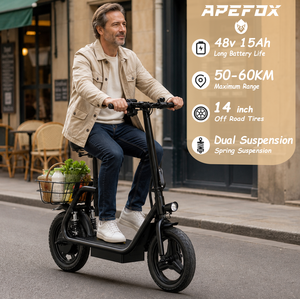
Explore our top-tier export lineup, engineered with IPX5-IPX7 waterproof enclosures, high-capacity lithium battery packs, and robust structural alloy frames designed for heavy-duty commercial and consumer applications.
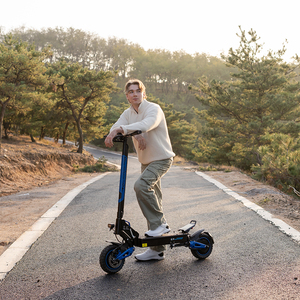
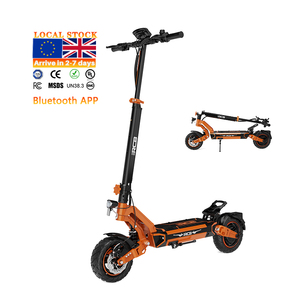
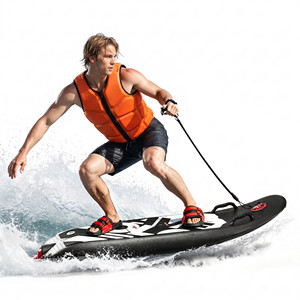
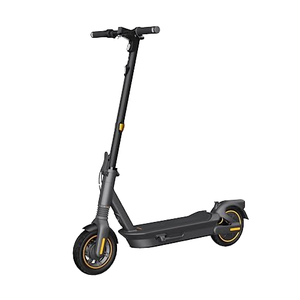
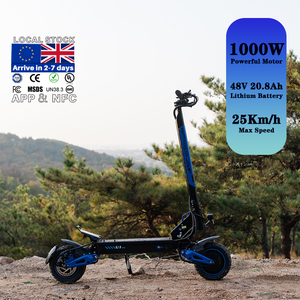
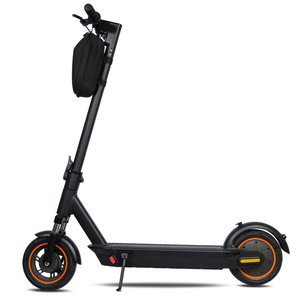
The global light electric vehicle (LEV) sector has experienced a structural pivot toward high-durability, weather-resilient designs. For B2B importers, volume distributors, and fleet operators, sourcing waterproof electric scooters from top-tier Chinese OEMs is no longer merely a option for premium product positioning—it has become an essential risk-mitigation strategy. Liquid ingress remains the single highest cause of warranty claims, battery management system (BMS) failure, and motor controller burnouts in urban mobility fleets worldwide.
China’s manufacturing ecosystem, centered around advanced industrial hubs in Jiangsu, Zhejiang, and Guangdong, has established absolute dominance in electric mobility production. However, navigating the vendor matrix requires deep technical due diligence. A true industrial-grade waterproof e-scooter involves far more than topical silicone caulking; it requires precision-molded IPX7 battery chambers, hermetically sealed wire harnesses, hydrophobic membrane venting, and corrosion-resistant powder-coated aviation-grade aluminum chassis.
This comprehensive industry whitepaper provides enterprise buyers, OEM brand managers, and procurement officers with actionable technical frameworks, market intelligence, compliance roadmaps, and manufacturing evaluations necessary to audit Chinese manufacturers and negotiate high-yield supply chain contracts.
Leading Chinese export manufacturers differentiate themselves through vertically integrated production capabilities and rigorous quality management systems compliant with ISO9001:2015 standards. Understanding the internal technical workflow of a tier-1 facility empowers buyers to separate genuine manufacturers from speculative trading intermediaries.
Lithium-ion battery packs are encased in aluminum die-cast housings filled with thermally conductive potting compound, utilizing double-lip silicone gaskets to achieve IPX7 immersion defense against heavy rain and puddle submersions.
Sine-wave vector controllers are treated with nano-scale conformal coatings (polyurethane/acrylic resins) via automated robotic dispensing systems, guarding sensitive MOSFET switches against condensation and moisture accumulation.
All exterior electrical interconnects utilize quick-release Julet-style gold-plated multipin connectors fitted with rubber O-rings, preventing signal degradation and short-circuits caused by high-pressure washdowns or rain splash.
When evaluating prospective OEMs, technical buyers must scrutinize ingress protection (IP) claims. The matrix below outlines the operational realities and factory testing protocols corresponding to standard industrial waterproof ratings.
| IP Ingress Level | Protection Capability | Factory Test Protocol | Target Application / Commercial Viability |
|---|---|---|---|
| IPX4 | Splashing water from any direction | Oscillating tube spray test (10 mins, 10 L/min) | Standard light consumer commuter scooters; sunny climate usage. |
| IPX5 | Low-pressure water jets (6.3 mm nozzle) | Water jet test (3 mins, 12.5 L/min at 30 kPa) | Heavy urban rains; standard commercial ride-share fleets. |
| IPX6 | High-pressure powerful water jets (12.5 mm nozzle) | High-pressure spray (3 mins, 100 L/min at 100 kPa) | All-weather delivery fleets, intense storm resilience, off-road terrain. |
| IPX7 | Full water immersion up to 1 meter depth | Complete tank submersion test for 30 minutes | Critical components (battery module, controller box, underwater jetboards). |
The light electric vehicle industry is undergoing rapid technological convergence. Procurement executives must align their product roadmaps with emerging technological shifts to maintain competitive differentiation over 3-to-5-year hardware cycles.
While traditional Nickel Manganese Cobalt (NMC) cells offer high energy density, commercial fleet operators are increasingly demanding Lithium Iron Phosphate (LFP) chemistry. LFP battery architecture provides superior thermal runaway resistance (stable up to 500°C), extended lifecycle durability (over 2,000 to 3,000 full charge cycles compared to 500–800 for NMC), and lower cobalt-free raw material costs. In waterproof, enclosed scooter decks, LFP's thermal stability drastically reduces fire hazards caused by heat buildup during fast charging.
Modern B2B electric scooters are transitioning from legacy UART communication systems to Controller Area Network (CAN-bus) architectures. CAN-bus allows real-time, bi-directional telemetry transmission between the smart BMS, motor controller, electronic throttle, dashboard, and central IoT module. Fleet managers can remotely monitor cell-level voltage balances, internal thermal gradients, moisture sensor alerts, and lock/unlock immobilizers via cloud API platforms.
Supply chain volatility has incentivized Chinese manufacturers to establish regional fulfillment infrastructure in Poland, Germany, the Netherlands, Australia, and the USA. Procurement strategy is moving toward modular frame platforms where regional importers can order standardized base chassis stored in domestic EU/US warehouses, customizing branding, tire configurations, and app firmware locally to reduce lead times from 45 days down to 3-5 business days.
Consult directly with our engineering team to request factory direct pricing, OEM/ODM customization catalogs, and sample units from our local EU/US stocks.
Inquire NowSelecting an OEM partner requires an objective evaluation matrix that balances technical competence, capital stability, regulatory compliance, and post-sales support SLAs. Below is the multi-tiered auditing protocol utilized by top-tier global mobility brands.
Verify that the factory holds legitimate third-party certifications: CE (MD, LVD, EMC), UL 2272 (electrical system safety for North America), EN 17128:2020 (European light motorized vehicle standard), RoHS, and UN38.3 lithium battery transport safety documentation.
Inspect automated frame robotic welding stations, dynamic motor dynamometer testing rigs, saltwater spray corrosion chambers, and 100% finished-goods rain simulation testing booths where completed scooters are sprayed for a minimum of 15 minutes before packaging.
Structure contractual terms requiring 1% to 2% complimentary spare parts allocation (controllers, displays, throttles, wiring harnesses) with every 40ft HQ container, alongside guaranteed 5-year spare parts availability guarantees.
Partnering with an established manufacturer guarantees access to end-to-end industrial engineering resources. From initial industrial design sketch render to aluminum alloy extrusion extrusion die-casting, rapid prototyping, tool-making, and high-speed assembly line execution, Chinese manufacturing excellence provides unmatched speed-to-market advantages.
Essential answers to common logistical, technical, and commercial questions raised by international distributors and retail chains.
Connect with our senior technical export engineers for detailed engineering schematics, factory audit reports, wholesale pricing tiers, and customized sample requests.
Inquire Now