Verified Industrial Grade Products from China's Premier Electric Mobility & Cell Manufacturing Lines
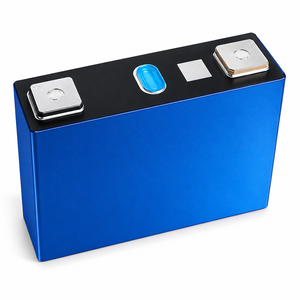
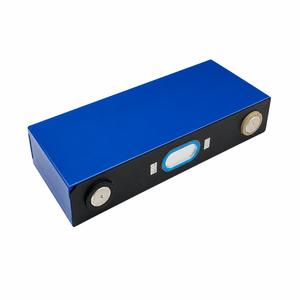
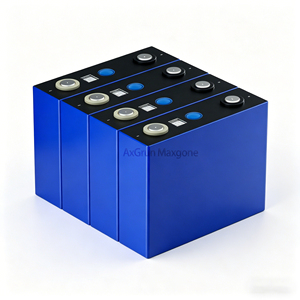
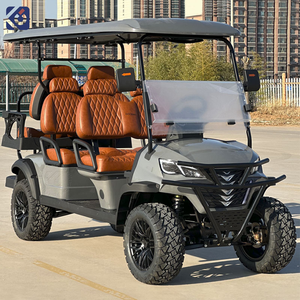
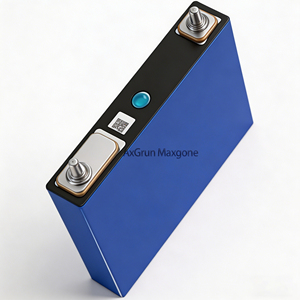
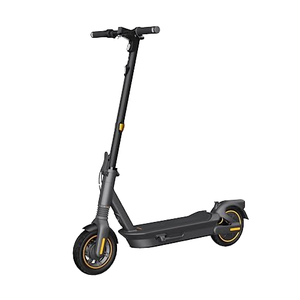
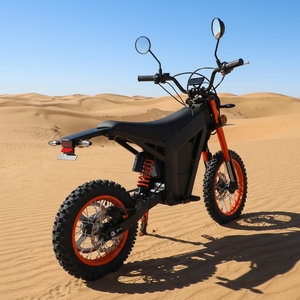
The global light electric vehicle (LEV) industry is undergoing a structural transition in battery chemistry. While Nickel Manganese Cobalt (NMC) cells dominated early electric scooter designs due to higher gravimetric energy density, commercial fleet operators, OEM brand importers, and B2B distributors are overwhelmingly switching to Lithium Iron Phosphate (LiFePO4 / LFP) technology.
As premier Chinese electric scooter factories scale automated production lines in 2026, LFP battery architecture has reached an unprecedented sweet spot of chemical safety, thermal stability under harsh operating environments (up to 60°C ambient temperatures), and unmatched economic total cost of ownership (TCO). For international procurement directors sourcing high-speed e-scooters, commercial moped fleets, and utility passenger vehicles, understanding the manufacturing landscape of Chinese LFP suppliers is vital to mitigating supply chain risks and obtaining a sustainable market advantage.
LFP chemistry features ultra-strong P-O covalent bonds within the crystal structure. Unlike NMC cells which release free oxygen during thermal breakdown (leading to catastrophic combustion above 210°C), LFP remains thermally stable up to 500°C without oxygen release, eliminating thermal runaway risk during rapid charging or mechanical puncture.
With an average lifecycle of 3,000 to 5,000 full charge-discharge cycles at 80% Depth of Discharge (DOD), LFP battery packs outlast NMC alternatives by 3x to 4x. This lowers the Levelized Cost of Energy (LCOE) per kilometer, rendering LFP-powered electric scooters highly lucrative for last-mile logistics and ride-sharing operations.
To assist OEM product managers in selecting the ideal cell platform, our senior engineering group has aggregated empirical laboratory test data comparing standard energy storage chemistries utilized across Chinese manufacturing facilities:
| Technical Metric | LiFePO4 (LFP Prismatic/Pouch) | NMC (Lithium Nickel Manganese) | Graphene / Lead-Acid |
|---|---|---|---|
| Cycle Life (80% DOD) | 3,000 – 5,000 Cycles | 800 – 1,200 Cycles | 300 – 500 Cycles |
| Thermal Decomposition | Stable up to 500°C (No Oxygen Release) | Decomposes at 210°C (Exothermic) | Sulfation at 45°C+ |
| Operating Temperature | -20°C to +65°C | -20°C to +55°C | -10°C to +40°C |
| Cobalt / Nickel Dependency | 0% (100% Cobalt & Nickel-Free) | High (Subject to Raw Price Spikes) | Lead / Acid Heavy Metal |
| Volumetric Energy Density | 350 – 400 Wh/L (Mitigated by CTP) | 550 – 700 Wh/L | 80 – 100 Wh/L |
| 5-Year Fleet Total TCO | Lowest ($0.004 / km) | Moderate ($0.012 / km) | High (Frequent Replacement) |
Navigating the Chinese electric scooter OEM landscape requires visibility into upcoming technological trajectories. Tier-1 manufacturers are introducing game-changing design paradigms that optimize cost, range, and compliance:
Historically, volumetric energy density limitations hindered the adoption of LFP cells in compact e-scooter frames. However, the commercial maturity of Cell-to-Pack (CTP 3.0) technology eliminates intermediary module hardware (brackets, heavy wiring harnesses, and modular housings). Chinese factories now integrate prismatic LFP cells directly into the vehicle's structural steel chassis, boosting volumetric utilization efficiency from 40% to over 65%. This enables 60V 50Ah to 72V 60Ah LFP packs to fit seamlessly into standard step-through scooter footrests without sacrificing ground clearance.
Modern B2B buyers no longer accept simple analog Battery Management Systems (BMS). Leading suppliers equip LFP packs with automotive-grade CAN-Bus / RS485 communication protocols integrated directly into IoT controllers. This allows real-time telemetry monitoring—tracking individual cell voltage balancing, state-of-charge (SOC) algorithms calibrated specifically for LFP's flat discharge curve, state-of-health (SOH), and remote over-the-air (OTA) firmware updates for fleet management applications.
Urban delivery platforms are rapidly moving away from 48V low-speed hub-motor configurations toward high-voltage 72V mid-motor systems (such as 1500W to 3000W rated drives with hydraulic shock absorption). High-voltage LFP configurations drastically reduce operating current (Amperage), minimizing thermal heat buildup across Phase Wires and Field-Oriented Controllers (FOC), resulting in sustained top speeds of 70–80 km/h under heavy payloads.
With stringent global regulations taking effect—including the EU Battery Regulation 2023/1542 and North American UL 2272/UN38.3 transport standards—top Chinese export factories are providing full supply-chain transparency. Advanced LFP manufacturers embed QR-coded battery passports documenting raw material provenance, carbon footprint calculations, and second-life recycling protocols directly into the BMS memory module.
Selecting a factory solely based on digital catalogs poses serious quality risks. To guarantee product reliability, international buyers should evaluate potential OEM suppliers against four critical engineering benchmarks:
Ensure the supplier utilizes automatic 4-axis laser welding machines for busbar connections and 100% internal resistance (IR) cell sorting to prevent early pack imbalance.
Verify that finished battery enclosures undergo automated positive/negative pressure leak detection and dynamic water jet spray testing to handle tropical monsoon downpours.
Demand full UN38.3 shock/vibration compliance reports, thermal test certificates, and MSDS safety paperwork essential for seamless ocean freight container shipping.
As a leading manufacturing partner in the electric two-wheeler sector, our production ecosystem bridges the gap between raw cell chemical sourcing and complete vehicle turn-key delivery. Our manufacturing infrastructure provides global clients with distinct advantages:
Key Commercial & Technical Insights for Importers, Wholesalers, and Brand Managers
LFP offers a substantially longer cycle life (3,000–5,000 cycles vs. 800–1,200 for NMC) and exceptional thermal safety. For fleet operators running continuous delivery routes in high-ambient-temperature regions, LFP minimizes battery replacement costs, prevents thermal runaway fires, and drastically lowers total operational expense (TCO).
Modern Chinese LFP battery packs integrate smart BMS-controlled self-heating films and advanced ceramic-coated separators. When plugged into a charger under sub-zero conditions (-10°C to -20°C), the BMS diverts minimal heating current to warm the cells to optimal charging temperature (above 0°C) before initiating fast charge, preventing lithium plating.
Standard vehicle colors and stock specs usually require an MOQ of 10 to 20 units. For custom OEM branding—including customized frame welding, specific BMS CAN-Bus protocols, custom colorways, and bespoke packaging—MOQs typically range from 50 to 100 units per model batch.
Yes. Top Chinese export manufacturers design vehicles to meet EEC/COC (L1e/L3e moped classes for Europe), EN 17128 personal light electric vehicle standards, and North American UL 2272 electrical safety certification. Complete battery packs hold UN38.3 and IEC 62133 safety credentials.
Prismatic LFP cells (such as 3.2V 54Ah, 75Ah, 100Ah) offer higher volumetric space efficiency, require fewer electrical connection points, reduce BMS wiring complexity, and provide superior structural rigidity. Cylindrical cells require hundreds of spot welds, increasing internal resistance points and potential failure nodes in high-vibration scooter applications.
LFP batteries are classified under UN3480 (Lithium-ion batteries) Class 9 Dangerous Goods. Export factories utilize UN-approved heavy-duty cardboard boxes reinforced with flame-retardant EPE foam cushioning, anti-static moisture barriers, and short-circuit protective terminal caps. Full DG documentation (MSDS, UN38.3, Dangerous Goods Certificate) is supplied for seamless customs clearance.
Elevate your brand's competitive advantage with automotive-grade LiFePO4 batteries, custom OEM design, and robust supply chain reliability. Contact our engineering team for factory pricing, SKD options, and sample testing.
Send an Inquiry