Engineering Excellence: Custom OEM/ODM Electric Scooter Manufacturing Architecture
The global transition toward electrification across personal urban transportation and commercial last-mile delivery services requires a fundamental shift in vehicle engineering. As a premier Custom OEM Lithium Battery Scooter Factory & Exporter, our manufacturing methodology addresses the real-world operational challenges of extreme temperature variance, heavy payload stresses, and continuous duty-cycle demands. Moving past off-the-shelf assembly models, our facility integrates complete structural frame fabrication, custom battery pack enclosure development, and proprietary Smart Battery Management System (BMS) programming under unified quality control protocols.
Modern electric two-wheelers are no longer simple mechanical chassis retrofitted with electric motors; they are complex electro-mechanical systems where power electronics, electrochemical storage, and structural mechanics must function in absolute synchronization. Our factory specializes in high-tensile 6061-T6 aluminum alloy frames and robotically welded high-carbon steel chassis engineered to absorb heavy road impact while delivering optimal power-to-weight ratios.
1. Advanced Lithium Iron Phosphate (LiFePO4 / LFP) Integration
Thermal stability stands as the primary prerequisite for safety in high-utilization commercial and commuter mobility environments. While conventional Nickel Manganese Cobalt (NMC) chemistries offer high volumetric energy density, their susceptibility to thermal runaway at elevated temperatures (typically starting around 210°C) presents operational liabilities in tropical and sub-tropical export regions. Our OEM engineering team prioritizes Lithium Iron Phosphate (LiFePO4 / LFP) cell integration for high-duty applications due to its superior chemical stability (thermal runaway threshold exceeding 270°C) and exceptional life cycle durability.
- Extended Cycle Life: LFP battery modules engineered in our factory deliver between 2,500 to 3,500 full charge-discharge cycles at 80% Depth of Discharge (DoD), compared to 500 to 800 cycles typical of standard NMC cells. This drastically reduces total cost of ownership (TCO) for commercial fleet managers.
- Smart BMS Architecture with CAN-Bus Telemetry: Every OEM battery system incorporates a customized BMS utilizing automotive-grade microcontroller units (MCUs). The BMS continuously monitors individual cell voltages, temperature gradients via multiple NTC thermistors, and current flow. Real-time diagnostic data is transmitted via CAN-bus or RS485 communication protocols directly to the scooter's digital dashboard and IoT module.
- Encapsulated Thermal Management: Battery enclosures feature IP67-rated waterproof ingress protection with structural heat-dissipating aluminum plates and shock-absorbing flame-retardant (UL94-V0) polyurethane insulation to withstand rugged road vibrations.
2. Powertrain Matching & Motor Efficiency Mapping
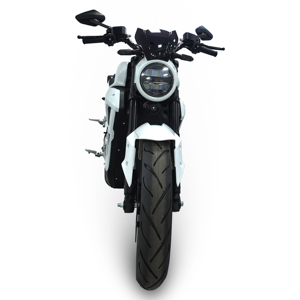
Achieving superior energy efficiency requires precise matching between the brushless DC (BLDC) hub motor or mid-drive motor and the vector-controlled sine-wave inverter (FOC Controller). Our engineering matrix configures phase currents and field-weakening algorithms to optimize motor efficiency across wide RPM bands. Whether manufacturing lightweight 500W–1000W urban step-through scooties or high-torque 2000W–3000W electric motorcycles capable of 80–110 km/h speeds, our powertrains yield an average energy efficiency rating of over 92%.
CKD & SKD Export Packaging
Optimized Complete Knock-Down (CKD) and Semi Knock-Down (SKD) container loading logistics to minimize import duties, reduce freight costs by up to 40%, and streamline overseas assembly line throughput.
Global Regulatory Compliance
Full international certification readiness including CE, EN 15194, EEC/COC homologation, DOT compliance, UN38.3 battery transport safety certification, and MSDS clearance for international shipping.
Custom Branding & White-Labeling
End-to-end custom mold fabrication, bespoke plastic injection fairing designs, custom color matching (Pantone/RAL), branded LCD/TFT instrument clusters, and personalized mobile application interfaces.
Comprehensive OEM Battery & Platform Technical Matrix
To assist procurement managers, fleet directors, and automotive importers in evaluating technical specifications, the following comparison matrix outlines our standard factory OEM production platforms. All parameters can be customized under specific contract manufacturing agreements.
| Platform Category |
Nominal Voltage & Capacity |
Battery Chemistry |
Motor Rating |
Top Speed |
Cycle Life (80% DoD) |
Target Application |
| Urban Compact (U-Series) |
48V 20Ah – 26Ah |
LFP / NMC Optional |
500W – 800W Hub |
35 – 45 km/h |
> 2,500 Cycles (LFP) |
Last-Mile Commute / Student Mobility |
| Standard Commuter (C-Series) |
60V 26Ah – 38Ah |
LiFePO4 (LFP) |
1200W – 1500W Hub |
50 – 60 km/h |
> 3,000 Cycles |
Daily City Commuting / Shared Mobility |
| Heavy Commercial (M-Series) |
72V 38Ah – 50Ah |
High-Density LFP |
2000W – 3000W Mid-Drive |
70 – 80 km/h |
> 3,000 Cycles |
Cargo Express / High Payload Delivery |
| High-Performance Racing |
72V 50Ah – 72Ah |
High C-Rate NCM / LFP |
3000W – 5000W Peak |
90 – 110+ km/h |
> 2,000 Cycles |
Highway Mobility / Sport Cruising |
Global Sourcing & Technology Development Trends (2025–2030)
The global electric two-wheeler market is undergoing rapid evolution driven by stringent emissions regulations, rising fuel costs, and massive urban density expansion. Importers and brands seeking market leadership must align their sourcing strategies with upcoming technological paradigms. Below are the key industry trends shaping the future of custom OEM scooter procurement.
1. Standardization of Swappable Battery Architecture
The urban micro-mobility and delivery fleet sectors are moving away from fixed charging infrastructure toward modular battery-swapping ecosystems. Swappable battery platforms allow commercial operators to eliminate charging downtime entirely. As an experienced exporter, our factory designs standardized, drop-in swappable LFP battery packs featuring self-docking connectors, reinforced dual-locking mechanisms, and anti-theft GPS/cellular tracking built directly into the battery management system housing. This interoperability ensures seamless integration with automated battery swapping kiosks worldwide.
2. IoT Telematics & Cloud Fleet Management Integration
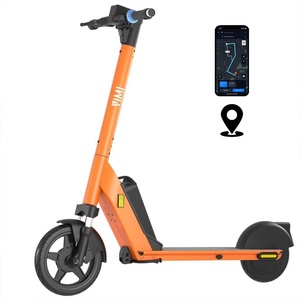
Modern B2B importers no longer purchase hardware in isolation. Commercial buyers demand smart, connected vehicle architectures capable of providing real-time data telematics. Our factory embeds customized IoT telematics control units (TCUs) equipped with 4G LTE/5G connectivity, GPS/GLONASS tracking, Bluetooth Low Energy (BLE) keyless start, and remote Over-The-Air (OTA) firmware update capabilities. Fleet management software platforms can directly monitor battery State of Charge (SoC), State of Health (SoH), geo-fencing boundaries, and predictive maintenance alerts across thousands of active vehicles simultaneously.
3. Circular Economy & Sustainable Battery Lifecycle Traceability
Regulatory frameworks across Europe and North America (such as the EU Battery Regulation) are making digital battery passports and supply chain transparency mandatory. Future OEM procurement contracts will require full traceability of raw materials—specifically lithium, iron, phosphate, and cobalt. Our manufacturing protocols align with sustainable sourcing guidelines, providing complete material traceability, carbon footprint documentation per kilowatt-hour produced, and end-of-life battery recycling compliance protocols for international distributors.
4. Modular Frame Architecture for Multi-Model Lineups
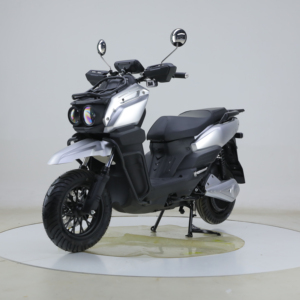
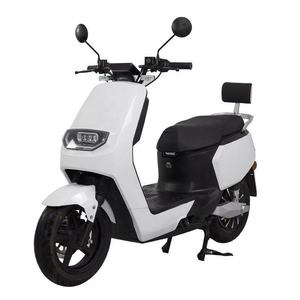
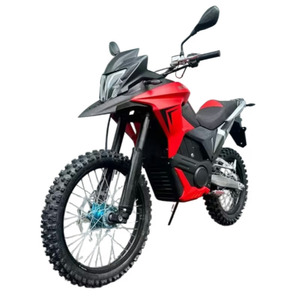
To reduce inventory holding costs and tooling investments, modern OEM brands are adopting unified chassis platforms capable of accommodating multiple body fairing styles and battery capacities. Our factory’s modular frame platform allows B2B clients to launch step-through scooties, cargo-delivery models, and sporty commuter bikes utilizing shared suspension geometry, braking hardware, and wiring harnesses—significantly reducing spare parts inventory overhead for overseas dealer networks.