Direct OEM manufacturing solutions engineered for commercial delivery fleets, urban commuters, and heavy-duty logistics.
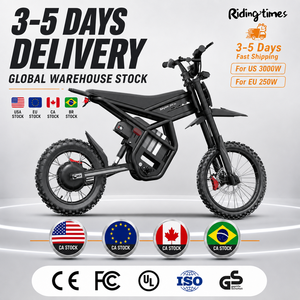
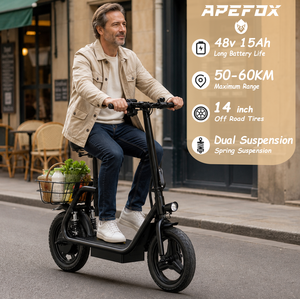
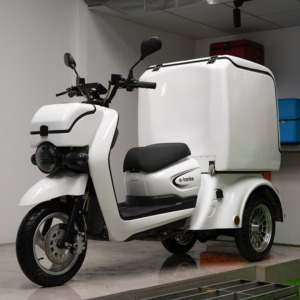
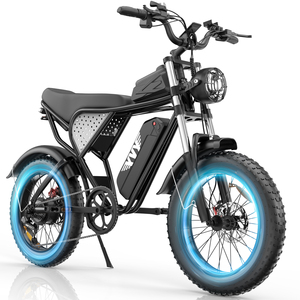
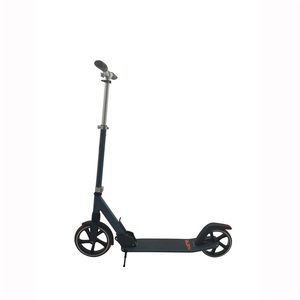
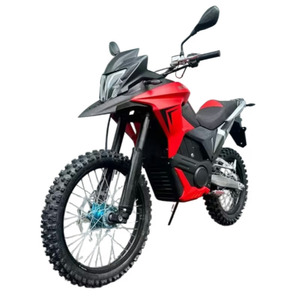
The global commercial electric two-wheeler market is transitioning from an emerging eco-conscious trend to an indispensable operational strategy for last-mile logistics, urban delivery fleets, and corporate transport ecosystems. Driven by stringent global carbon reduction mandates, soaring internal combustion engine (ICE) maintenance costs, and volatile fuel prices, enterprise procurement directors are rapidly restructuring their procurement strategies toward robust, high-ROI electric vehicle platforms.
Sourcing commercial-grade electric scooters requires a distinct evaluation paradigm compared to consumer light-commuter models. Commercial fleets subject vehicles to intensive daily duty cycles—often exceeding 100 km per day under heavy payloads and harsh environmental conditions. Consequently, evaluating prospective manufacturing partners demands scrutiny of battery thermal management, structural frame metallurgy, controller algorithms, and long-term CKD/SKD (Completely Knocked Down / Semi-Knocked Down) assembly support.
To assist institutional buyers, fleet managers, and international distributors in conducting rigorous vendor audits, our team analyzed global manufacturing facilities across key metrics: industrial production capacity, battery innovation, chassis stress tolerances, export compliance (CE, EEC, DOT), and turnkey OEM/ODM customization capabilities.
| Manufacturer / Factory Hub | Primary Platform Expertise | Battery Tech Standards | Key Commercial Application | Export Compliance |
|---|---|---|---|---|
| Jolta Electric OEM Hub (Asia / Regional Facility) | Commercial Heavy-Duty & Commuter Ebikes | Thermal-Stable LFP (60V/72V) | Last-mile logistics, express fleet, rough terrain | ISO9001, Regional EV Standard |
| Ninebot Commercial Division (Wuxi, China) | Shared Fleet & Micromobility Scooters | Smart Swappable NMC Lithium | App-integrated ride-sharing, urban patrol | CE, UL2272, FCC |
| Yadea Commercial OEM Group (Jiangsu, China) | High-Speed Delivery Scooters | Graphene Lead-Acid & LFP | High-capacity delivery, urban dispatch | EEC, E-Mark, CE |
| Niu Technologies Enterprise (Changzhou, China) | Connected Fleet Smart Scooters | Cloud-BMS Lithium-ion | Corporate fleet management, telematics rental | DOT, CE, EEC |
| Sunra EV Industrial (Wuxi, China) | Cargo & Trike Commercial Scooters | Dual-Pack Removable Lithium | Heavy cargo delivery, food logistics | EEC, CE, ISO9001 |
| Super Soco Cargo Division (Nanjing, China) | High-Speed Urban Express Motorcycles | High-density Panasonic/LG Lithium | Long-range courier, highway delivery | EEC, DOT, CE |
| Taotao Vehicle Co., Ltd. (Zhejiang, China) | Budget Commercial & Off-Road Ebikes | Standard Lithium & Gel Batteries | Multi-terrain utility, light enterprise rental | EPA, DOT, CE |
| Okai Mobility Factory (Zhejiang, China) | Heavy-Duty Heavy-Duty Rental Scooters | IP67 Integrated Waterproof Lithium | Shared commercial fleets, hotel resorts | UL2272, CE, FCC |
| Horwin International (Changzhou Facility) | High-Performance Enterprise Motorbikes | 72V / 100V High-Voltage LFP | Emergency services, high-speed patrol | EEC, E-Mark, DOT |
| Huli Motors Assembly Lines (Export Logistics) | Turnkey OEM/ODM Fleet Vehicles | Custom Modular LFP Pack Assemblies | White-label distribution, CKD manufacturing | ISO9001, CE, OEM Standards |
When selecting a commercial export partner from the top manufacturers, procurement teams must evaluate four vital engineering criteria that dictate real-world total cost of ownership (TCO):
Lithium Iron Phosphate (LiFePO4) prevents thermal runaway up to 60°C ambient temperatures, delivering 2,000+ full charge cycles compared to 800 cycles in standard NMC packs.
Field-Oriented Control (FOC) sine-wave controllers optimize energy conversion efficiency up to 93%, reducing heat generation during steep incline climbing under heavy payloads.
Commercial-grade high-tensile cold-drawn steel chassis withstand dynamic stress testing exceeding 200 kg loads across 100,000 vibration cycles without fatigue cracking.
The commercial electric scooter sector is experiencing rapid technological convergence, driven by breakthroughs in automotive powertrain engineering and IoT telematics. Leading OEMs are shifting focus from simple hardware assembly to producing fully integrated hardware-software commercial ecosystems.
Commercial operators are phasing out legacy 48V architectures in favor of higher-voltage 60V and 72V powertrains. Higher system voltage lowers current draw (Amperage) for the equivalent power output (Watts), directly mitigating I²R copper thermal losses in wiring harnesses and motors. This allows delivery vehicles to operate continuously during peak summer afternoon heat without thermal throttling.
Modern commercial scooter factories now embed CAN-bus IoT hardware natively into the vehicle controller. Fleet managers obtain real-world visibility over state-of-charge (SoC), individual cell voltage differential, GPS geofencing, remote motor immobilization, driver acceleration profiling, and predictive maintenance alerts. This software layer transforms basic scooters into manageable enterprise assets.
Downtime is the enemy of commercial fleet efficiency. Premier exporters are standardizing dual-battery compartment configurations compatible with automated battery swap stations or supporting 1C fast-charging protocols that replenish 80% capacity within 45 minutes without compromising cell life.
Navigating global supply chain logistics, shifting tariff regimes, and regional regulatory compliance requires enterprise procurement leaders to adapt their sourcing strategies. The following strategic trends are reshaping how international buyers contract with scooter factories:
To minimize import tariffs—which often exceed 25% to 40% on Completely Built-Up (CBU) electric vehicles—major logistics operators and regional distributors are opting for Completely Knocked Down (CKD) or Semi-Knocked Down (SKD) shipping formats. Exporters offering complete factory tooling transfer, wiring harness schematics, jigs, and technician training empower importers to establish cost-effective local assembly lines while enjoying substantial customs tariff reductions.
A common mistake in commercial sourcing is prioritizing lowest FOB unit cost over component longevity. A low-cost scooter utilizing inferior MOSFET controllers, unrated battery cells, and thin frame tubing often incurs elevated repair costs and component replacement within 6 months. High-spec commercial builds yield superior ROI within a 24-month fleet deployment operational window.
Rooted in real-world road testing across demanding Asian, African, and Middle Eastern operating environments, our manufacturing philosophy merges heavy-duty vehicle structural design with cutting-edge battery management systems. As a premier pioneer in electric two-wheeler production, our Sue Asil Road factory facility in Lahore provides institutional clients with an end-to-end manufacturing partner.
Extensive manufacturing footprint equipped with automated frame welding, robotic chassis alignment, and automated endurance testing lines for continuous quality control.
Every commercial vehicle undergoes IP67 water immersion testing, chassis dynamometer load testing, and BMS thermal chamber calibration prior to packing.
Comprehensive support for international buyers, including customized branding, voltage pack tuning, regulatory certification support, and complete spare parts supply chains.
Whether you require a custom fleet of delivery vehicles with integrated cargo boxes, high-speed commuter motorcycles like the 2000W JE-125L platform, or specialized SKD components, our engineering team works directly with your procurement office from CAD prototyping through full-scale container export.
Connect with our senior OEM export specialists today for comprehensive product specifications, factory audit documentation, wholesale container pricing, and customized CKD/SKD assembly quotations.
Get a Quote