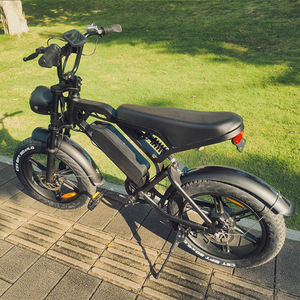
Explore high-performance electric commuter motorbikes, off-road dirt bikes, and city scooters manufactured for global distribution and fleet operations.
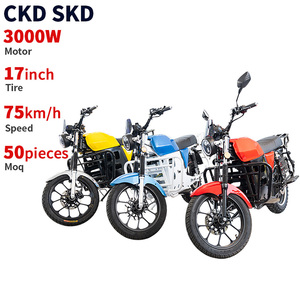
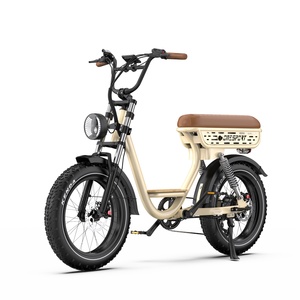
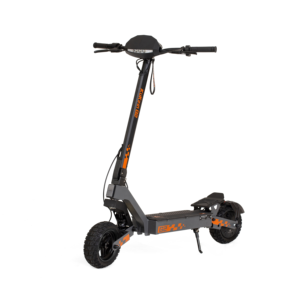
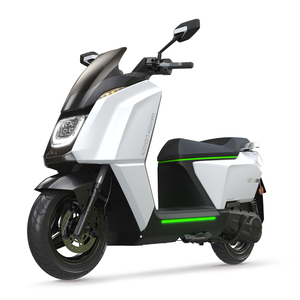
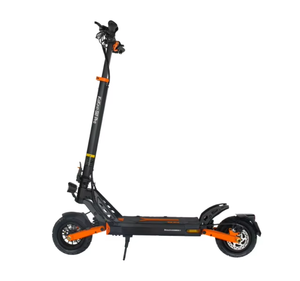
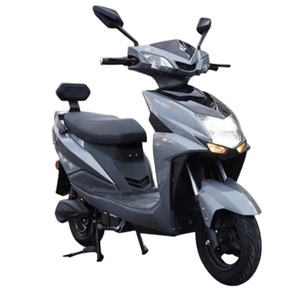
The global urban commuter ecosystem is undergoing an unprecedented transition from internal combustion engine (ICE) two-wheelers to high-efficiency, zero-emission Light Electric Vehicles (LEVs). For international importers, brand owners, regional distributors, and fleet operators, navigating the manufacturer landscape requires deep technical due diligence. Sourcing electric scooters and commuter motorcycles is no longer just about comparing unit FOB prices; it demands evaluating battery chemistry longevity, structural frame integrity, motor controller efficiency, thermal management under extreme climatic conditions, and international compliance standard certifications (such as UL 2272, CE, EEC, and L1e/L3e homologation).
This procurement whitepaper provides an analytical benchmark of top-tier electric commuter scooter factories and exporting manufacturing hubs. By analyzing modular assembly capabilities (Complete Knock Down - CKD vs. Semi Knock Down - SKD), Lithium Iron Phosphate (LFP) integration, high-torque BLDC mid-drive motor configurations, and factory-direct quality assurance protocols, global buyers can establish resilient, scalable supply chain partnerships designed for long-term profit margins and brand trust.
Strategic Procurement Insight: Modern e-scooter buyers must evaluate suppliers based on Information Gain metrics—evaluating real-world thermal stability, BMS fault recovery protocols, frame anti-fatigue ratings, and localized customs tariff optimizations via CKD/SKD assembly kits rather than relying on unverified laboratory specifications.
As consumer expectations evolve and municipal regulations tighten regarding urban transit emissions, procurement directors must align their purchasing strategies with upcoming industry shifts over the next 3 to 5 years.
Legacy 36V and 48V commuter platforms are rapidly giving way to high-voltage 60V and 72V architectures. High-voltage power trains reduce current draw (amperage) for equivalent power output, drastically minimizing I²R copper heat losses in electrical wiring harnesses. This allows commuter motorcycles and heavy-duty scooters to achieve higher top speeds (up to 80 km/h – 110 km/h) without inducing thermal degradation in the motor controller or battery pack cells.
While Nickel Manganese Cobalt (NMC) batteries offer high energy density, their susceptibility to thermal runaway in high-temperature ambient climates (exceeding 40°C) presents operational challenges for South Asian, Middle Eastern, and African markets. Leading export-focused factories are shifting toward Lithium Iron Phosphate (LFP / LiFePO4) chemistry. LFP cells offer over 2,000 to 3,000 full charge-discharge cycles (compared to 500-800 cycles in standard lithium ion), superior thermal stability up to 60°C, and lower material volatility—drastically reducing warranty repair costs for commercial distributors.
National industrial policies increasingly incentivize local assembly by imposing high tariffs on Fully Built Units (CBU). Leading factories are re-engineering their frame jigs and electrical quick-connect harnesses to offer standardized CKD (Complete Knock Down) and SKD (Semi Knock Down) shipments. This enables overseas importers to lower freight container costs by up to 300% (fitting significantly more un-assembled units per 40ft HQ container) while qualifying for lower import duty brackets in destination markets.
Commercial fleet procurement now requires CAN-bus communication modules integrated into motor controllers. Features like NFC keyless ignition, real-time GPS tracking, remote OTA (Over-The-Air) firmware updates, digital battery state-of-health (SoH) monitoring, and automated diagnostic trouble code (DTC) reporting are becoming non-negotiable OEM requirements for last-mile delivery and corporate commuter fleets.
The structural design and mechanical engineering of electric commuter scooters are advancing rapidly. Importers must evaluate factory technical capabilities against these cutting-edge manufacturing benchmarks:
While hub motors remain cost-effective for urban scooties, high-performance commuter motorcycles are increasingly adopting gearless BLDC mid-drive motors (ranging from 3000W to 7500W). Mid-drive placement centers the vehicle mass, improving handling stability, suspension travel, and heat dissipation under heavy incline climbing.
Dual-channel Combined Braking Systems (CBS) or Anti-Lock Braking Systems (ABS) paired with front/rear hydraulic ventilated disc brakes are replacing drum brakes. Integrated electronic regenerative braking recaptures up to 12% of kinetic energy during deceleration, extending urban range.
High-tensile steel tube frames and seamless hydroformed aluminum alloys ensure structural endurance under maximum payload capacity (150kg–200kg). In addition, IP67 dust and water resistance rating for electrical harnesses, controllers, and battery compartments is essential for year-round operation.
As a premier electric two-wheeler manufacturer operating dedicated production facilities, robust engineering infrastructure, and an extensive dealer support network, our OEM/ODM platform is built specifically to service international brands, regional importers, and enterprise fleet purchasers.
Unlike trading companies or white-label resellers, genuine factory production involves end-to-end quality control across every assembly stage. From robotic welding of chassis frames to automated dynamometer testing, electronic BMS calibration, and salt-spray corrosion chamber evaluations, every vehicle is engineered to survive tough road conditions and heavy daily mileage.
We offer complete customization of battery capacity and motor output. Whether your target demographic requires a lightweight 48V 26Ah city scooter for student commuting (such as the Sparrow series), a high-durability 60V 50Ah LFP daily workhorse (such as the JE-125L or SE Bolt platforms), or a high-speed 72V 7500W mid-drive electric motorcycle reaching 110 km/h, our engineering team tailors motor windings, controller phase currents, and battery discharge rates to your market regulations.
Our dedicated export department assists international business partners with full supply chain documentation, custom branding/logo integration, custom packaging design, localized user manual translation, and spare parts provisioning. With structured CKD/SKD assembly kits, we help overseas assembly plants establish localized production lines with complete technical guidance and technician training packages.
Whether you are looking to launch a private-label electric scooter brand, expand your regional vehicle distribution dealership network, or source high-durability electric motorcycles for commercial delivery fleets, our engineering and sales teams are ready to assist you.