Benchmarked across durability, energy density, peak motor output, and total cost of ownership (TCO) for global distributors and fleet operators.
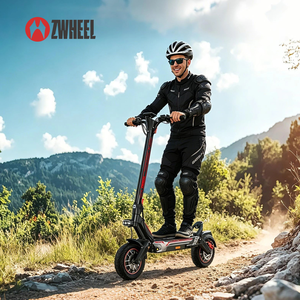
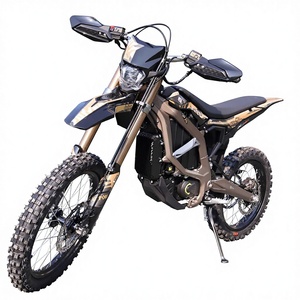
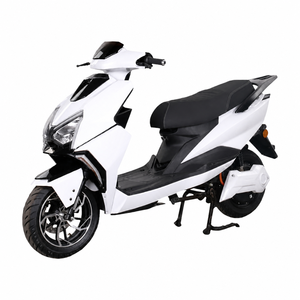
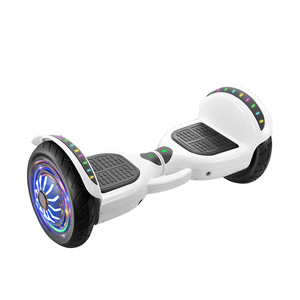
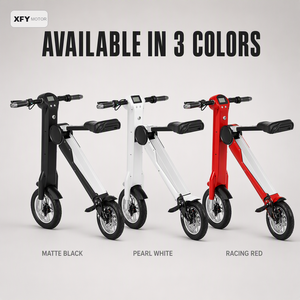
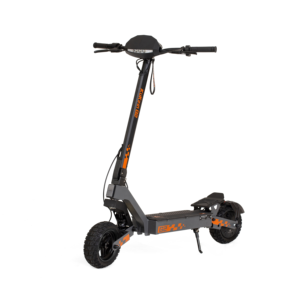
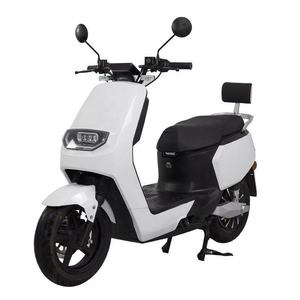
The global shift toward micro-mobility and commercial fleet electrification has transformed how B2B buyers evaluate electric motorcycle suppliers and original equipment manufacturers (OEMs).
Tier-1 manufacturers are moving away from simple assembly trading models toward integrated production lines. Factory-direct sourcing ensures traceable cell chemistry, structural weld testing, and consistent quality management systems (ISO9001).
Buying standard off-the-shelf ebikes frequently leads to high warranty claim rates in extreme climates. Industrial buyers must evaluate thermal management (LFP chemistry) and motor IP-ratings against local road conditions.
Navigating UN38.3 battery shipping certifications, MSDS documentation, EEC homologation for Europe, and DOT standards in North America requires suppliers with specialized export compliance departments.
For enterprise procurement, selecting between direct OEM factories and export trading intermediaries determines your margin stability and long-term brand equity. Below is an operational matrix comparing primary supplier archetypes in the electric two-wheeler sector.
| Evaluation Vector | Direct OEM Factory (e.g., Jolta Electric) | Trading Intermediaries | Procurement Impact |
|---|---|---|---|
| Component Traceability | Direct contracts with cell manufacturers (CATL, Gotion) & BLDC winding plants | Mixed sourcing across secondary markets | Reduces batch-to-batch quality variance by 85% |
| Thermal Management | Custom LFP (Lithium Iron Phosphate) pack enclosures rated for 40°C+ ambient heat | Standard off-the-shelf NCM pouch cells | Prevents thermal runaway & rapid capacity degradation |
| CKD / SKD Engineering | Custom frame jigs, modular wiring harnesses, and container packing optimization | Crated fully built units (CBU) only | Reduces international freight cost per unit by up to 45% |
| Warranty & Spare Parts | Direct replacement parts guarantee, engineering drawings, and BMS flashing tools | Third-party part sourcing with long lead times | Ensures high fleet uptime and protects distributor brand reputation |
As Pakistan's pioneer in electric two-wheeler manufacturing, Jolta Electric operates its primary production facility on Sue Asil Road, Lahore, backed by corporate headquarters at Askari Corporate Tower, Gulberg III. Designed specifically to solve high-temperature operating challenges and rigorous daily fleet duty cycles, Jolta’s engineering team pioneered localized assembly of 60V and 72V platforms equipped with high-stability Lithium Iron Phosphate (LFP) chemistry.
From commuter-grade platforms like the JE 70L Fury and flagship JE-125L (delivering 80 km/h top speeds with 2000W BLDC hub systems) to commercial scooties like the Mecha Heavy Electric Scooter, Jolta’s manufacturing framework demonstrates how localized structural testing and custom battery encapsulation produce superior reliability compared to generic imports.
Key technological transformations reshaping wholesale purchasing decisions, fleet management models, and factory specifications worldwide.
Traditional NCM (Nickel Cobalt Manganese) chemistry, while energy-dense, faces severe thermal degradation in climates exceeding 35°C. Wholesale procurement is rapidly pivoting toward LFP chemistry. LFP packs deliver 2,000 to 3,000 charge cycles (vs. 800 cycles for NCM), superior thermal runaway protection, and significantly reduced cost per operating kilometer over a 5-year operational lifecycle.
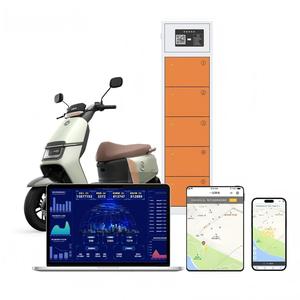
For delivery operators and quick-commerce fleets, battery charging downtime equals lost revenue. Modern factories are building standardized swappable battery compartments compatible with smart charging cabinets. Cloud-connected IoT cabinets enable fleet managers to track battery state-of-health (SoH), geolocation, and swap transaction logs in real time.
To bypass rising tariffs on fully assembled vehicles (CBU) and utilize regional labor incentives, global importers are shifting to CKD (Completely Knocked Down) procurement. Leading factories provide pre-loomed wiring harnesses, labeled frame components, and modular motor assemblies that streamline local re-assembly with minimal specialized tooling.
While 48V systems remain popular for light scooters, heavy commuter motorcycles and off-road bikes (such as 21KW high-output platforms) are moving to 72V+ architectures. Higher voltage reduces electrical current draw for the same power output, yielding lower heat generation in phase wires and improving overall motor efficiency during sustained uphill riding.
When placing OEM/ODM production orders, engineering directors should mandate specific technical standards across five core sub-systems:
Modern Smart Battery Management Systems utilize CAN-Bus communication protocols to continuously sync voltage, temperature, and current metrics with the vehicle instrument cluster and central controller. This enables predictive fault detection, limp-home thermal modes, and over-the-air (OTA) firmware updates.
Permanent Magnet Synchronous Motors (PMSM) and Field Oriented Control (FOC) vector controllers achieve peak energy conversion efficiencies exceeding 92%. Mid-drive configurations offer balanced weight distribution for high-speed sport models, while direct-drive hub motors minimize mechanical maintenance for utility commuters.
Robotically welded high-tensile steel tubular frames or seamless aviation-grade aluminum alloys provide the necessary torsional rigidity for rough road surfaces. Electrical enclosures must hold a minimum rating of IP67 for battery packs and IP65 for controllers to prevent moisture ingress during monsoon conditions.
Critical answers to common operational, regulatory, and technical questions asked by global EV importers and business partners.
Build your brand on verified assembly standards, direct engineering support, and reliable spare parts logistics.
Automated frame alignment, robotized welding, and rigorous dyno-testing ensure every chassis delivered matches original design tolerances.
Multi-stage fuse protection, flame-retardant cell holders, and anti-vibration silicon potting guard against internal cell short circuits.
Comprehensive spare parts support (controllers, throttles, displays, brake pads) packaged with standardized SKU numbering for quick local dispatch.
Connect directly with our senior engineering and export logistics team to discuss OEM custom branding, CKD packaging options, or bulk container pricing.