Explore our factory-direct electric mobility platforms engineered for high torque output, thermal efficiency, and rigorous commercial duty cycles. Custom CKD/SKD configurations available.
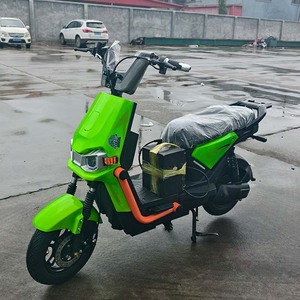
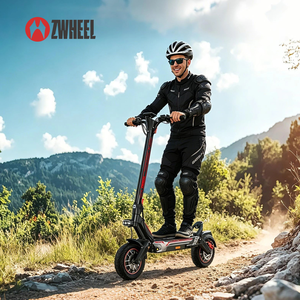
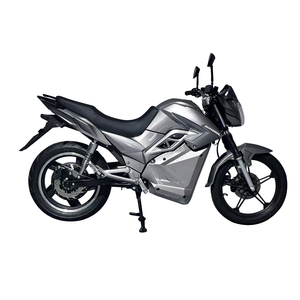
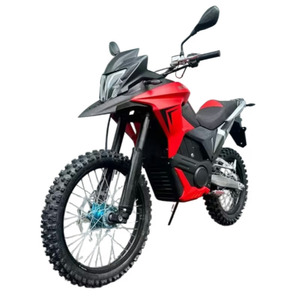
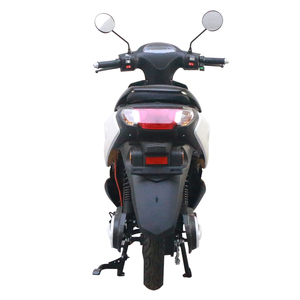
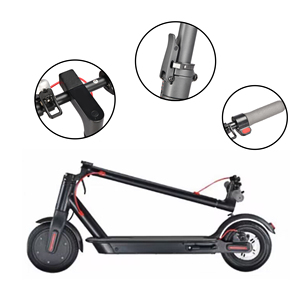
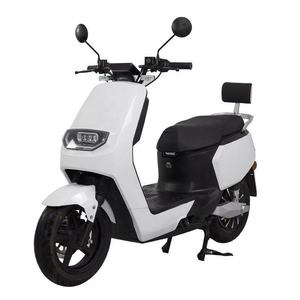
The global light electric vehicle (LEV) market is undergoing a seismic paradigm shift driven by urban decarbonization mandates, rising fossil fuel volatility, and rapid breakthroughs in energy density and power electronics. At the core of this transition stands China's premier electric scooter manufacturing sector, which accounts for over 80% of global two-wheeler production output. Historically dominated by low-cost brushed motors and heavy lead-acid battery chemistries, the industry has evolved into a high-precision, software-defined hardware ecosystem centered around Brushless DC (BLDC) motors, Permanent Magnet Synchronous Motors (PMSM), Smart CAN-Bus BMS, and Lithium Iron Phosphate (LiFePO4/LFP) cell architectures.
For global importers, B2B procurement managers, fleet leasing operators, and OEM brand owners, navigating China’s vast manufacturer landscape requires a nuanced understanding of engineering standards, manufacturing depth, and component integration. Sourcing success extends beyond initial unit purchasing price—it hinges on Total Cost of Ownership (TCO), thermal stability under high ambient temperatures, duty-cycle durability, compliance with international regulatory frameworks (EU EEC L1e-L3e, US DOT, UL2272/UL2271), and supply chain adaptability via CKD (Completely Knocked Down) or SKD (Semi-Knocked Down) logistics.
Brushless electric scooters derive their competitive advantage over legacy brushed systems through the complete elimination of mechanical commutators and carbon brushes. This architectural shift eliminates mechanical friction, sparking, and brush degradation, yielding a maintenance-free power unit capable of over 50,000 operational hours. Premium Chinese OEM manufacturers leverage two primary BLDC topologies:
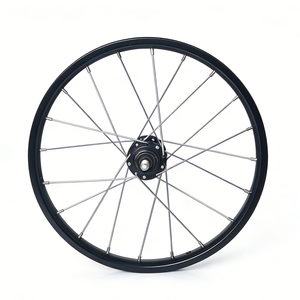
Integrated directly within the wheel rim (10-inch to 18-inch), direct-drive hub motors offer silent operation, mechanical simplicity, and immediate torque response. Utilizing high-grade Neodymium-Iron-Boron (NdFeB) permanent magnets with N45H or N50H heat rating (resistant up to 120°C ambient without demagnetization), these motors deliver peak efficiency between 88% and 94%.
Engineered for high-speed electric racing motorcycles and heavy-load cargo mopeds, mid-drive motors pair with synchronous belt or heavy-duty chain drives. By decoupling motor RPM from wheel speed, mid-drive setups achieve superior hill-climbing gradients (>30 degrees) and optimized axle weight distribution.
Modern Chinese brushless scooters utilize vector sine-wave FOC controllers rather than primitive square-wave units. FOC dynamically tracks rotor position via Hall sensors or sensorless algorithms, adjusting phase currents in real-time to eliminate motor hum, reduce heat build-up by 22%, and enable smooth regenerative braking.
When evaluating OEM suppliers, procurement officers must match component specifications to target market topography, rider demographics, and regulatory speed limits. Below is a structural baseline of common China OEM export configurations:
| Vehicle Category | Motor Type & Power | Voltage & Battery Chem. | Max Speed / Range | Primary Application / Target |
|---|---|---|---|---|
| Urban Micro-Moped | 350W – 800W Brushless Hub | 48V 26Ah Lead-Acid / NMC | 35 – 50 km/h | 40–60 km | Last-mile commuter, student transport, delivery |
| Commuter Scooter | 1000W – 1500W FOC Hub Motor | 60V 30Ah / 50Ah LFP (LiFePO4) | 60 – 70 km/h | 70–120 km | Daily urban commuting, high thermal stability |
| Heavy Commercial Moped | 2000W High Torque Motor | 72V 38Ah Dual Lithium Pack | 70 km/h | 80–100 km | Fleet delivery (200kg load rating), cargo rack |
| High-Speed E-Motorcycle | 3000W – 5000W Mid/Hub Motor | 72V 50Ah – 72V 100Ah LFP | 100 – 110 km/h | 100–150 km | Highway legal, sporting, fleet patrol |
The international electric two-wheeler supply chain is undergoing profound structural changes driven by battery chemistry advancements, digital telemetry integration, and evolving geopolitical trade tariffs. Buyers establishing supply agreements over the next five years must align with four strategic technology trends:
While Nickel Manganese Cobalt (NMC) cells offer high gravimetric energy density (~240 Wh/kg), their vulnerability to thermal runaway under high ambient operating temperatures (>40°C in Southeast Asia, Middle East, and Africa) has accelerated the adoption of LFP chemistries. LFP packs feature high thermal decomposition thresholds (350°C vs NMC's 210°C), exceptional cycle life (3,000 to 5,000 cycles at 80% DoD), and complete freedom from cobalt supply constraints. Advanced Chinese factories now integrate LFP cells into standardized modular IP67 battery enclosures with integrated active balance Smart BMS.
Hardware is no longer isolated; it is an intelligent node in a broader mobility software ecosystem. Commercial buyers increasingly require factory-installed Telematics Control Units (TCU) connected via CAN-Bus protocol. Key features demanded by global importers include:
Sub-meter tracking with automated remote engine kill-switch for fleet security and theft recovery.
Remote adjustment of FOC torque curves, regenerative braking levels, and speed caps without recall.
Cell-level voltage monitoring, temperature logging, and predictive degradation analysis.
To bypass elevated import tariffs on fully assembled vehicles (CBU - Completely Built Up) and drastically cut ocean freight rates, leading Chinese manufacturers have standardized CKD (Completely Knocked Down) and SKD (Semi-Knocked Down) packaging kits. A standard 40-foot High Cube (40HQ) container holds roughly 70–80 CBU units. However, utilizing optimized CKD packing frames increases container capacity to 200–240 units—reducing international shipping costs per unit by over 60%. Top-tier suppliers provide detailed assembly SOPs, video guidance, specialized jig tools, and technician training for local assembly plants.
In an overcrowded manufacturing landscape, discerning business buyers must differentiate between mere trading companies and true Original Equipment Manufacturers possessing vertically integrated production capacity. Our manufacturing footprint reflects deep industry experience, rigorous quality control, and robust after-sales infrastructure:
Unlike assembly-only shops, tier-1 China factories operate in-house robotic chassis welding lines, automated powder-coating spray chambers, motor stator winding machinery, and high-precision SMT placement for PCB controllers. Every steel frame undergoes salt-spray corrosion testing (72+ hours) and fatigue vibration testing exceeding 300,000 cycles under 200kg rated loads.
Full compliance with global market entry standards is built directly into our manufacturing lines. Vehicle platforms carry European Whole Vehicle Type Approval (EEC/e-Mark L1e, L3e), US DOT registration, CE machinery safety marks, and UL2272/UL2271 battery system safety certifications necessary for North American retail distribution.