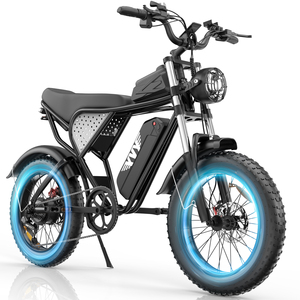
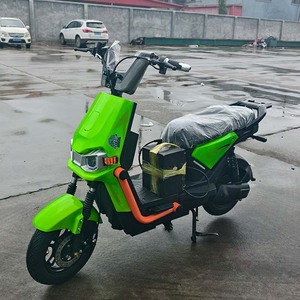
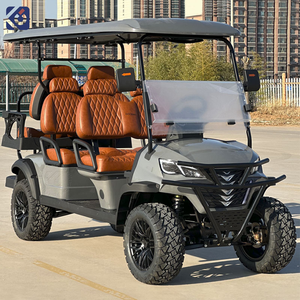
Rigorously tested for thermal stability, load resilience, and regulatory compliance. Directly sourced from certified manufacturing lines in China.
Navigating global micro-mobility procurement requires industrial maturity, rigorous quality assurance, and end-to-end custom engineering capability.
Every motor, controller, and LiFePO4 / NMC battery pack undergoes 100% full-load thermal stress testing, vibration analysis, and automated optical inspections (AOI) to guarantee operational safety under extreme temperatures.
From frame geometry tuning and IP67 waterproof harness integration to custom BMS (Battery Management System) firmware, Chinese OEM suppliers provide complete white-label manufacturing tailored to local market regulations.
Leveraging China’s complete Yangtze River Delta & Pearl River Delta supply chain clusters, suppliers offer optimized Bill of Materials (BOM) costs, robust container loading design, and streamlined export documentation (MSDS, UN38.3).
The global micro-mobility ecosystem is undergoing a dramatic structural transformation. As urban centers prioritize zero-emission light electric vehicles (LEVs) and commercial delivery fleets demand continuous duty cycles, China's top tier-1 electric scooter accessory and component manufacturers are leading groundbreaking engineering advancements. Modern procurement strategies have evolved beyond simple price-per-unit evaluation to focus on technological integration, energy density, and lifecycle system reliability.
Key Technological Shift: The transition toward smart CAN-Bus communication protocols, high-efficiency Field-Oriented Control (FOC) vector controllers, and thermal-stable LiFePO4 chemistry has set a new standard for high-performance electric scooter platforms.
Energy storage remains the single most critical component in electric two-wheelers and mobility devices. Top exporters are shifting rapidly from traditional Lead-Acid and early NCM chemistries to Lithium Iron Phosphate (LiFePO4) and advanced solid-state lithium formulations. Key technical benefits include:
Brushless Direct Current (BLDC) hub motors and mid-drive powertrains have reached power efficiency levels exceeding 92%. Utilizing high-grade neodymium magnets (N45H or N50H rated for high Curie temperatures) and precision copper stator windings, modern motors deliver higher torque-to-weight ratios. Paired with FOC Sinusoidal Controllers, these systems offer smoother acceleration, quieter operation, and regenerative braking energy recovery that extends overall riding range by up to 12-15%.
Commercial scooter operators and retail brands now expect turnkey IoT integration directly into the vehicle harness. Leading Chinese component exporters supply integrated Telematics Control Units (TCU) supporting 4G LTE, GPS/GLONASS tracking, Bluetooth low-energy (BLE), NFC keyless unlock, and remote Over-The-Air (OTA) firmware updates for controller and battery parameters.
Sourcing managers, brand owners, and fleet procurement executives must align their supply chain strategies with shifting international regulations and consumer expectations. Sourcing components from China is no longer merely an off-the-shelf purchase; it is a collaborative engineering process.
Importers face increasingly stringent market access requirements across the European Union, North America, and Australia. Premier Chinese exporters maintain comprehensive testing data and third-party certifications including:
To reduce inventory holding costs and streamline SKU maintenance, procurement trends favor modular vehicle architectures. A unified frame platform can be customized into a 48V daily city commuter, a 60V long-range delivery bike, or a high-speed 72V dual-motor moped simply by swapping standardized plug-and-play component modules.
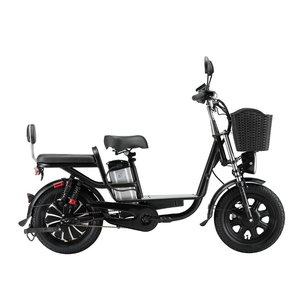
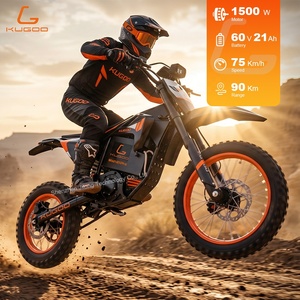
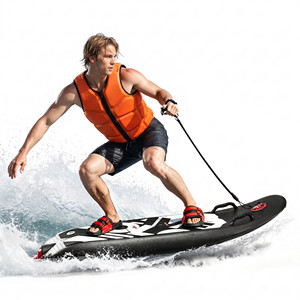
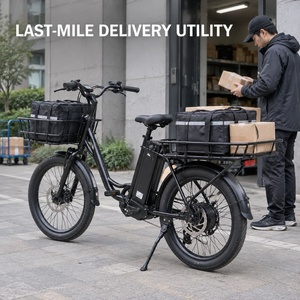
| Vehicle / Accessory Category | Typical Powertrain Spec | Primary Battery Tech | Target Application | Key Compliance Requirement |
|---|---|---|---|---|
| Compact Urban Commuter | 48V 350W – 500W BLDC Hub | 48V 15Ah–26Ah Lithium | Last-mile retail, campus transport | CE, EN 17128, UL 2272 |
| Commercial Fleet Delivery | 36V / 48V 500W–1000W Motor | Removable Swappable LFP Pack | Food delivery, cargo fleets | Heavy-Duty Hydraulic Disc Brakes, IP67 |
| High-Speed Off-Road Moped | 60V / 72V 1500W–2000W Dual Motor | 60V–72V High-C Lithium Pack | Recreational, rough terrain | High-Grade Hydraulic Suspension, DOT Tires |
| Watercraft Jet Scooter | 72V High-RPM Jet Propulsion | 72V Sealed Water-Cooled Pack | Marine, water sports | IP68 Waterproof, Anti-Corrosion Coating |
Clear answers to common technical, commercial, and logistical questions encountered when sourcing electric scooter components from China.
Whether you are launching a new micro-mobility brand, scaling a commercial delivery fleet, or expanding your retail component inventory, our engineering team is ready to support your technical specifications and volume procurement needs.
Inquire Now