Engineered for high-throughput urban commuting, rental sharing fleets, and international retail distribution. Explore certified export-ready e-scooter models.
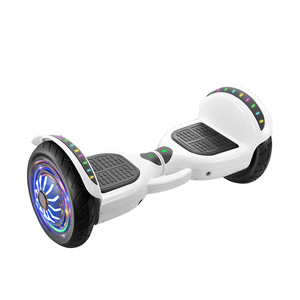
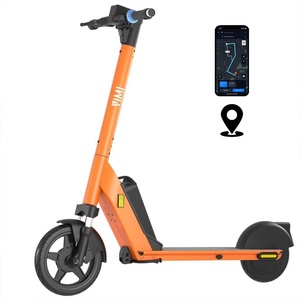
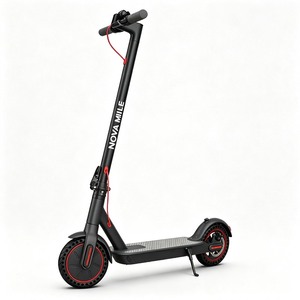
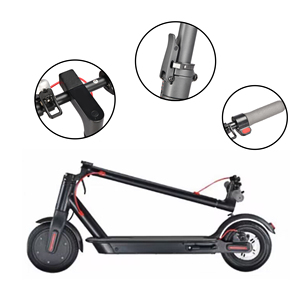
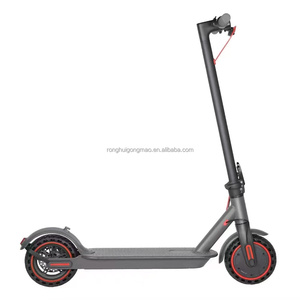
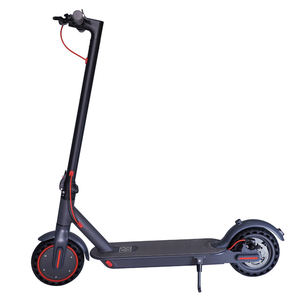
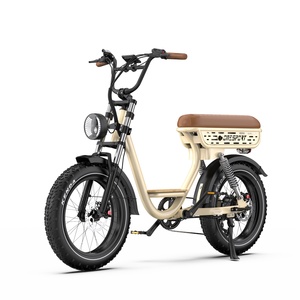
The global micro-mobility market has transitioned rapidly from entry-level recreational toys to robust, commercial-grade transportation infrastructure. As international urban centers strive to meet stringent carbon net-zero mandates, smart electric scooters (e-scooters) have emerged as the primary vehicle class for first-mile/last-mile logistics and personal daily commutes. China remains the undisputed global hub for electric two-wheeler manufacturing, commanding over 85% of total worldwide export volume. However, the nature of B2B procurement in China has undergone a paradigm shift. Overseas importers, regional brand distributors, commercial fleet operators, and enterprise buyers no longer evaluate suppliers solely on unit FOB pricing.
Today’s competitive advantages are anchored in Information Gain—specifically, deep technological differentiation in smart Battery Management Systems (BMS), cellular IoT telematics, compliance with evolving international safety directives (such as EN 17128:2020, UL 2272, and CE-MD requirements), and localized logistical capabilities like EU/US overseas warehouse fulfillment. Premium Chinese original equipment manufacturers (OEMs) and original design manufacturers (ODMs) have evolved into integrated mobility solution providers. By replacing generic assembly lines with automated cell-to-pack robotics, structural finite element analysis (FEA), and CAN-bus digital architectures, top exporters deliver electric scooters that sustain thousands of operational duty cycles under harsh environmental conditions.
Understanding the trajectory of smart electric scooter technology is essential for procurement managers looking to future-proof their product catalogs and fleet investments. High-volume export manufacturers are embedding cutting-edge hardware and software innovations into standard production models:
While traditional Nickel Manganese Cobalt (NMC) cells dominated early lightweight e-scooters due to energy density, premier manufacturers are shifting toward Lithium Iron Phosphate (LiFePO4/LFP) chemistry for heavy-duty and hot-climate deployment. LFP cells offer up to 3,000+ full charge cycles (compared to 500–800 cycles for standard NMC), superior thermal runaway protection up to 500°C, and substantially lower risk of fire under physical impact.
Modern e-scooters are connected IoT endpoints. By transitioning from basic UART serial protocols to automotive-grade CAN-bus network communications, smart e-scooters exchange real-time diagnostic telemetry—cell-level battery voltage, motor controller temperature, speed profiles, and error codes—with cloud management dashboards and user mobile applications via 4G LTE/NB-IoT and Bluetooth 5.2 modules.
Field failures in rental fleets and personal commuting often stem from water ingress damaging sensitive electronics. Leading Chinese exporters now employ fully encapsulated potting techniques for motor controllers, IP67-rated battery enclosures, and sealed wiring harnesses. Frame manufacturing has moved from basic welded tubing to high-tensile 6061-T6 aviation aluminum die-casting and magnesium alloy forging.
For commercial operators and delivery platforms, downtime during charging is a primary operational cost driver. The trend toward standardized, quick-swap battery mechanisms allows fleet users to exchange depleted packs for fully charged units in under 15 seconds. Top exporters provide turnkey solutions including smart charging kiosks, API integration, and automated lock-and-key swappable battery slots.
As international regulations tighten and consumer expectations rise, global procurement strategies are shifting from reactive purchasing to proactive supply chain integration. Enterprise buyers must navigate several emerging procurement vectors when negotiating with Chinese suppliers:
1. Overseas Stocking & Localized Warehousing (EU/US Stock): To bypass long maritime shipping lead times (30–45 days) and mitigate freight rate volatility, major Chinese exporters maintain bonded warehouses across Northern and Western Europe (e.g., Netherlands, Germany, Poland) and North America. Procurement buyers can order smaller batch sizes (MOQ as low as 5–10 units) with 48-hour DDP (Delivered Duty Paid) fulfillment, drastically improving cash flow velocity.
2. Modular CKD/SKD Assembly Line Delivery: High import tariffs on fully assembled electric vehicles in countries like India, Brazil, Pakistan, and Egypt have incentivized importers to procure Semi-Knocked-Down (SKD) or Completely-Knocked-Down (CKD) kits. Tier-1 Chinese suppliers support local manufacturing setup by providing standardized assembly jigs, torque-calibrated tooling, wire harness schematics, and technical engineer dispatch for factory audit and line setup.
3. Rigorous ESG and Supply Chain Audits: Retail buyers in North America and Western Europe require strict adherence to Environmental, Social, and Governance (ESG) criteria. Exporters are vetted for carbon-neutral manufacturing practices, zero conflict-mineral cell procurement (ISO 14001 certification), and SA8000 social accountability standards. Suppliers offering full transparency down to the lithium cell chemical source hold a major strategic advantage.
| Procurement Category | Entry-Level Commuter Tier | Commercial Fleet / Sharing Tier | Heavy-Duty / High-Performance Tier |
|---|---|---|---|
| Nominal Motor Power | 250W – 350W BLDC Hub | 500W – 800W Gearless BLDC | 1000W – 2000W+ Dual Motors |
| Battery Cell Chemistry | 18650 / 21700 NMC Lithium | Heavy-Duty LFP (LiFePO4) | High-Discharge 21700 NMC / LFP |
| Voltage & Capacity | 36V 7.8Ah – 10.4Ah | 48V/60V 15Ah – 30Ah Swappable | 60V/72V 26Ah – 50Ah Fixed/Dual |
| Braking Hardware | E-ABS + Rear Mechanical Disc | Dual Hydraulic Disc + Regen Brake | Quad-Piston Hydraulic + Cooling Discs |
| Frame Material | Structural Aluminum Alloy | Heavy Die-Cast 6061 Aluminum | Forged Aircraft Alloy + Carbon Accents |
| Regulatory Certifications | CE, RoHS, REACH, FCC | EN 17128, UL 2272, CE-MD, IoT FCC | DOT, EEC/L1e-B Homologation, UL 2272 |
Building upon decades of specialized two-wheeler engineering, our manufacturing partner ecosystem combines high-capacity production facilities with rigorous quality control standards to deliver dependable electric scooters globally.
Expert insights addressing critical technical, compliance, logistical, and commercial inquiries for e-scooter buyers.
For North America, UL 2272 certification (Electrical Systems for Personal E-Mobility Devices) is essential for retail compliance and insurance eligibility. For the EU, scooters must comply with the Machinery Directive (2006/42/EC), Low Voltage Directive (LVD), EMC Directive, and specific safety standard EN 17128:2020. Battery packs require UN 38.3 transport testing, MSDS, and IEC 62133 cell-level reports for sea/air clearance.
LFP batteries offer superior thermal stability, eliminating fire risks associated with thermal runaway up to extreme temperatures. They deliver 2,500 to 3,500 charge-discharge cycles while retaining 80% capacity, compared to 600–800 cycles for NMC. Although LFP packs are slightly heavier, their extended lifespan drastically reduces total cost of ownership (TCO) for commercial rental and delivery operations.
For standard factory models dispatched from EU/US warehouses, MOQ starts as low as 5 to 10 units. For custom OEM orders involving custom logo paint, tailored carton packaging, and basic app branding, standard MOQ is 100 to 300 units. Deep ODM projects involving custom frame tooling, proprietary mold design, and custom CAN-bus controller development require an MOQ of 500 to 1,000 units.
Leading exporters supply 1% to 2% complimentary fast-moving spare parts (controllers, throttle levers, display screens, brake pads) with every full container load (FCL). Major structural components like frames, motors, and battery packs are covered under a 12 to 24-month limited warranty. Replacement parts can be dispatched from overseas warehouses to minimize downtime.
Yes. Factory software engineers can pre-program custom speed governors, power output curves, and speed mode steps into the motor controller firmware. For instance, scooters destined for Germany can be hard-locked to 20 km/h (eKFV compliance), while US-bound units can be set to 25 km/h or 32 km/h (Class 1/2 e-mobility thresholds) with optional app unlock controls.
FOB (Free on Board) means the buyer handles sea freight, import clearance, tariffs, and inland delivery from the Chinese departure port (e.g., Shenzhen or Ningbo). CIF includes freight insurance and shipping to your destination port, but leaves local customs clearance to the buyer. DDP (Delivered Duty Paid) is a turnkey option where the supplier handles shipping, import taxes, customs brokerage, and final truck transport directly to your warehouse door.
Connect with our senior technical procurement specialists today. Receive wholesale catalog pricing, custom OEM quotes, sample evaluation kits, and comprehensive compliance documentation.
Send an Inquiry