Factory-direct OEM/ODM models engineered for high power, long-range heavy transport, and urban racing performance.
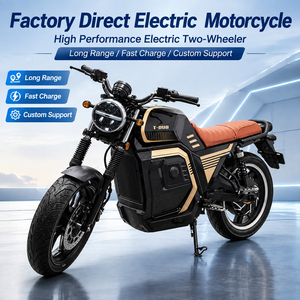
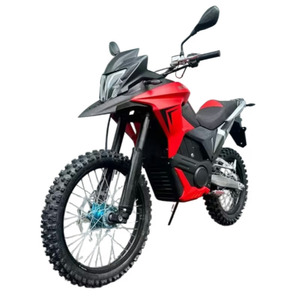
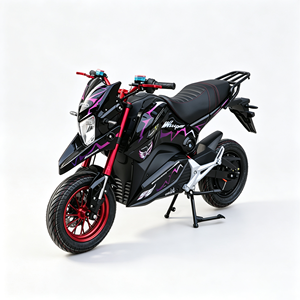
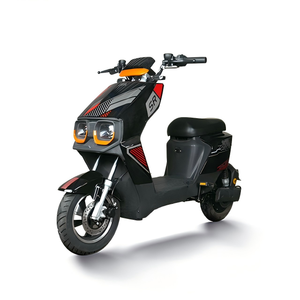
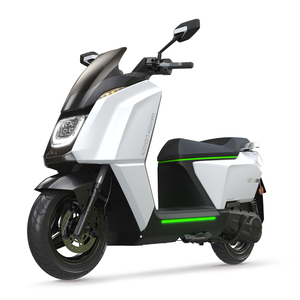
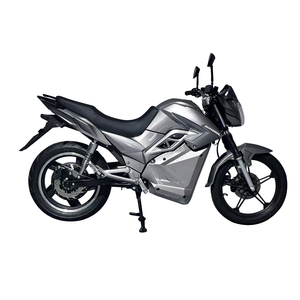
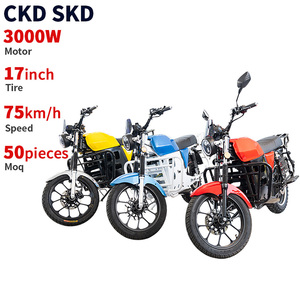
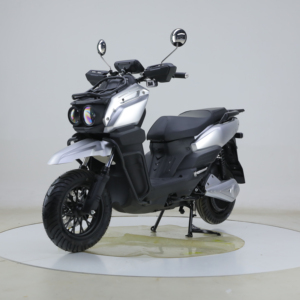
The global transition toward electrified two-wheeler transport has accelerated beyond light urban scooters into high-performance, high-speed electric motorcycles capable of replacing traditional internal combustion engines (ICE). B2B importers, government procurement agencies, commercial fleet buyers, and regional distributors are demanding EV platforms that balance sustained speed (80km/h to 110km/h+), heavy payload endurance (up to 400kg), and long battery cycle life under harsh ambient operating conditions.
Choosing the right original equipment manufacturer (OEM) or original design manufacturer (ODM) requires an in-depth understanding of powertrain engineering, battery thermal stability, frame stress dynamics, and assembly logistics (SKD/CKD). Leading export factories differentiate themselves not merely by assembly capacity, but through rigorous component validation, smart BMS integration, and tailored international certification compliance (EEC, CE, DOT, ISO9001).
SEO & Procurement Gain Insight: Sourcing high-speed electric motorcycles involves auditing factory-level engineering metrics: C-rating of battery cells, continuous vs peak motor wattage, FOC sine-wave controller efficiency, and structural thermal management under ambient heat exceeding 40°C.
In high-speed electric motorcycles (defined as vehicles exceeding 70 km/h top speed), powertrain configuration directly dictates acceleration curves, thermal dissipation, and structural balance:
1. High-Power Hub Motors (2000W – 3000W+): Integrated directly into the rear wheel rim, hub motors eliminate drive belts and chains, drastically reducing routine maintenance for end users. Advanced factory configurations utilize thick copper windings, high-grade neodymium (NdFeB) permanent magnets with thermal tolerance up to 150°C, and aluminum alloy heat-dissipating side covers. Models like the SG-C300 3000W utilize this architecture to deliver up to 400kg payload support with immediate low-end torque.
2. High-Speed Mid-Drive Motors (7500W+): For racing or heavy-duty performance motorcycles (such as 110 km/h platforms), mid-drive motors positioned within the center frame offer superior weight distribution, reduced unsprung mass, and optimal gear reduction. Coupled with dual-battery 72V 42Ah systems, mid-drive setups maintain maximum efficiency at high speeds without inducing rapid thermal throttling in the motor or controller.
As a leading pioneer in electric two-wheeler production, our integrated manufacturing ecosystem—spanning dedicated production plants, advanced testing facilities, and nationwide showroom and service networks—provides commercial partners with unparalleled OEM/ODM guarantees.
Full control over industrial design, CAD chassis modeling, mold development, and harness assembly ensuring consistent build quality without middle-man markup.
Integration of Lithium Iron Phosphate (LFP) chemistry for thermal stability in extreme summer climates (>40°C), providing 2000+ deep discharge cycles.
Custom knocked-down packaging engineering designed to maximize container packing density (40ft HQ), reducing per-unit ocean freight costs by up to 40%.
As global regulations tighten around carbon emissions and urban traffic congestion, the technical specifications for commercial and consumer electric motorcycles are evolving rapidly. B2B importers preparing multi-year purchasing strategy must align with key industry development trajectories:
Lower voltage systems (48V, 60V) are increasingly restricted to entry-level commuter scooters under 50km/h. High-speed electric motorbikes are standardizing on 72V and higher platforms. Higher system voltage reduces current draw (amperage) for the equivalent power output, drastically reducing I²R resistive heat losses within wiring harnesses, controllers, and battery connectors. This allows sustained 90km/h to 110km/h cruising without overheating the drivetrain.
While traditional ternary NCM (Nickel Cobalt Manganese) cells offer high volumetric energy density, their lower thermal runaway threshold presents risks in hot regions across South Asia, the Middle East, and Africa. LFP chemistry offers superior chemical stability, non-combustibility during puncture or extreme heat, and an extended life cycle (2,000 to 3,500 cycles compared to 800-1,200 cycles for NCM). Advanced battery pack design now integrates smart BMS modules featuring CAN-bus communication for real-time cell balancing, voltage monitoring, and fault diagnostic reporting.
Commercial fleet buyers (last-mile delivery services, logistics operators, ride-sharing networks) now expect integrated telematics control units (TCU). Modern factory production integrates GPS tracking, remote ECU diagnostics, over-the-air (OTA) firmware updates, keyless NFC starting, and anti-theft geofencing directly into the digital instrument cluster.
Heavy-duty electric motorcycles must withstand rigorous road surfaces while bearing commercial cargo payloads up to 400kg. The market is shifting away from lightweight bent-tubing designs toward high-tensile robotic-welded steel cradle frames combined with lightweight aluminum alloy swingarms and dual hydraulic rear shock absorbers.
Sourcing high-speed electric motorcycles from factory-direct manufacturers requires strategic planning beyond unit pricing. Industry leaders prioritize total cost of ownership (TCO), tariff mitigation strategies, and robust spare parts supply chains.
Importing fully built (CBU) electric vehicles often incurs heavy import tariffs (up to 30-50% in certain regions). Factory partners offering Semi-Knocked-Down (SKD) or Completely-Knocked-Down (CKD) kits enable buyers to utilize local assembly plants, significantly reducing import duties while building local technical employment.
A major risk in EV procurement is lack of component availability. Experienced exporters provide 2% to 5% standard wear-and-tear spare parts (controllers, throttle grips, switches, relays, brakes) packed alongside container shipments, backed by technical service manuals and video guidance.
Navigating country-specific import compliance requires OEM compliance support. Leading factories ensure vehicle designs fulfill EEC (L3e category for high-speed motorbikes in Europe), CE electromagnetic compatibility, UN38.3 battery transport standards, and MSDS safety certification.
Essential answers for importers, brand managers, and fleet buyers evaluating OEM electric motorbike factories.