Precision-engineered electric cargo scooters, high-torque mopeds, and modular battery systems designed for high-capacity urban last-mile distribution.
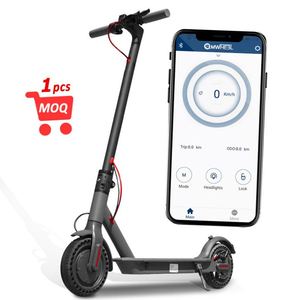
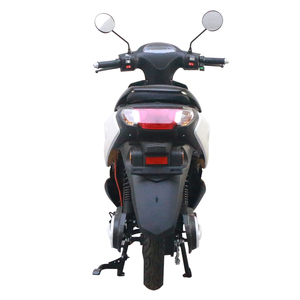
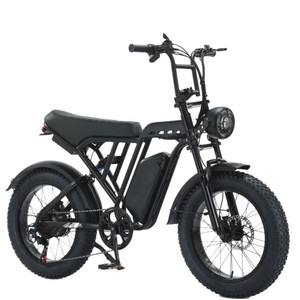
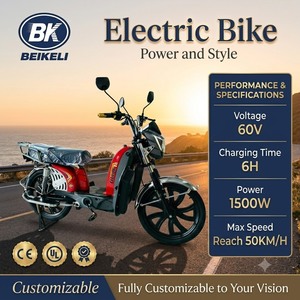
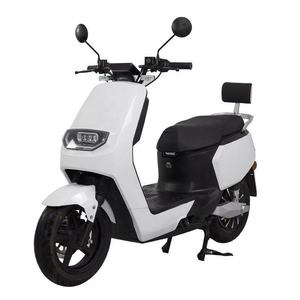
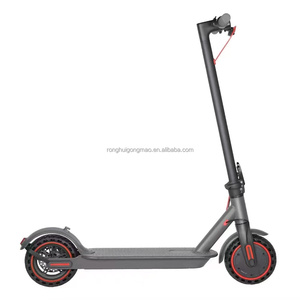
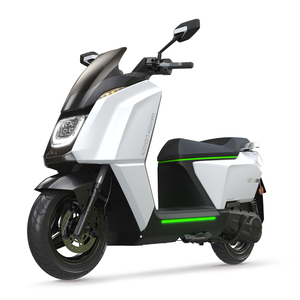
The urban freight ecosystem in Seattle, Washington, is experiencing an unprecedented structural transformation. Driven by stringent environmental mandates from the Washington State Department of Transportation (WSDOT), high-density traffic congestion across downtown corridors, and aggressive corporate net-zero commitments from e-commerce giants anchored in the Pacific Northwest, commercial operators are rapidly phasing out traditional internal combustion engine (ICE) delivery vans in favor of heavy-duty cargo electric scooters and utility e-bikes.
However, the Seattle market presents a unique set of geographic, climatic, and regulatory challenges that standard consumer-grade electric scooters cannot survive. Navigating steep topographies—such as Queen Anne Hill, Capitol Hill, and First Hill with gradients exceeding 15% to 22%—demands industrial mid-drive or high-torque hub motor architectures. Furthermore, Seattle’s infamous maritime weather pattern, averaging over 150 rainy days per year, mandates weatherproofing standards including IP67-rated electrical harnesses, fully sealed battery compartments, and rust-resistant chromoly steel chassis.
Engineered for real-world operations across Seattle's distinct industrial, commercial, and residential topographies.
Navigating Queen Anne, Capitol Hill, and Madrona demands extreme low-end torque. Our 60V/72V brushless vector-controlled motors deliver sustained 120Nm+ torque profiles, allowing 200kg heavy cargo loads to ascend 20% inclines without thermal throttling or motor stalls.
Seattle’s wet maritime climate accelerates electrical shorts and rust. Our export-grade scooters feature IP67 waterproof controllers, sealed wiring looms, stainless fasteners, and dual-piston hydraulic disc brakes with water-clearing rotor grooves for short stopping distances on wet asphalt.
In high-density industrial hubs like SODO, Interbay, and the Port of Seattle docks, cargo scooters bypass heavy freight bottlenecks. Compact footprints allow direct access inside warehousing bays, container terminals, and congested urban loading zones.
The City of Seattle has established ambitious goals under its Transportation Decarbonization Implementation Plan, moving toward zero-emission delivery zones in downtown, Belltown, and South Lake Union. Fleets utilizing heavy electric scooters qualify for priority loading zone permits, access to dedicated micro-mobility lanes, and exemption from urban congestion fees.
With Seattle gasoline prices consistently remaining 20% to 30% above the US national average and commercial parking fines surging in dense business districts, the TCO of cargo electric scooters is revolutionary. Operating costs average less than $0.02 per mile compared to $0.48 per mile for traditional delivery vans, delivering full capital recovery (ROI) within 6 to 9 months of active fleet deployment.
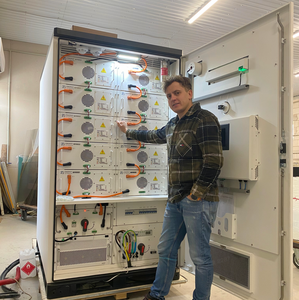
Safety regulations across commercial building parking garages in King County are tightening around battery storage. Industrial buyers in Seattle are shifting away from volatile ternary lithium chemistries toward LFP (LiFePO4) battery packs. LFP chemistry eliminates thermal runaway risks up to 500°C, provides over 3,500 full charge cycles, and complies with modern commercial warehouse insurance underwriting guidelines.
| Vehicle Grade | Motor Configuration | Battery Chemistry | Payload Cap. | Max Incline | IP Weather Rating |
|---|---|---|---|---|---|
| Light Courier (Citycoco) | 1500W Rear Hub | 60V 30Ah LFP | 150 kg (330 lbs) | 15% / 8.5° | IP65 Waterproof |
| Commercial Fleet Moped | 3000W High Torque | 72V 45Ah LFP Dual | 220 kg (485 lbs) | 22% / 12.4° | IP67 Sealed Harness |
| Heavy Duty Mid-Drive | 7500W Mid-Drive Motor | 72V 84Ah Modular | 300 kg (660 lbs) | 30% / 16.7° | IP67 Marine-Grade |
Direct factory manufacturing, rigorous OEM/ODM customization, and established international logistics frameworks tailored for US West Coast distributors.
We operate dedicated state-of-the-art vehicle assembly facilities. By bypassing middle-man trading companies, we deliver direct factory pricing, full quality control traceability, and customized frame welding engineered for heavy industrial cargo loads.
Every vehicle and battery system exported to the United States complies with rigorous international safety benchmarks. Our LFP packs carry complete UN38.3 MSDS transport clearances, ensuring hassle-free import clearance at the Port of Seattle.
To optimize tariff structures and ocean freight container utilization for US West Coast buyers, we provide Complete Knock-Down (CKD) and Semi-Knock-Down (SKD) shipping configurations backed by comprehensive video assembly manuals and technical training.
Technical, regulatory, and logistics answers for commercial importers, local dealers, and delivery companies operating in Washington State.
Our commercial cargo scooters are built specifically with high-torque brushless motors (ranging from 1500W to 7500W mid-drive systems) paired with high-amp Sine-Wave FOC controllers. This configuration delivers immediate low-end torque capable of maintaining steady climbing speeds (20-30 mph) on inclines up to 25% gradient while carrying a full 200kg cargo load, without overheating the motor windings.
We engineer our export vehicles with IP67-rated water ingress protection. All wiring harnesses feature automotive-grade sealed multi-pin connectors, the main ECU controller is encased in a waterproof potted aluminum shell, and battery compartments utilize dual-gasket rubber seals to prevent moisture accumulation during prolonged rainfall in maritime Pacific Northwest conditions.
We routinely export FCL (Full Container Load) and LCL (Less than Container Load) shipments directly to the Port of Seattle and Port of Tacoma via West Coast Pacific shipping lanes. Production lead time is typically 15 to 25 days depending on OEM customization, with ocean transit taking approximately 14 to 18 days. We supply all ISF filing documentation, Bill of Lading, UN38.3 battery certification, and customs commercial invoices.
Lithium Iron Phosphate (LFP) offers significant advantages for commercial fleets operating in the Pacific Northwest. LFP batteries provide superior thermal stability, lower performance loss in cold temperatures (down to 32°F / 0°C), and an extraordinary cycle life of 3,500+ cycles (compared to 800 cycles for NCM). Additionally, LFP is non-combustible, vastly reducing commercial liability and insurance costs for Seattle warehouse storage.
Yes. As a direct OEM manufacturer, we offer structural rear-rack customizations including reinforced steel subframes, food-grade insulated thermal delivery boxes, lockable fiberglass cargo containers (up to 300L volume), hydraulic flatbed extensions, and custom vinyl logo wrapping tailored for Seattle food delivery networks and logistics brands.
We back all commercial vehicles with a comprehensive factory warranty: 2 years on chassis frames, 18 months on LFP battery packs, and 12 months on motors and controllers. For wholesale distributors and fleet buyers in Washington state, we provide 3% free wearing spare parts (brake pads, tires, relays) with every container order and offer fast-track air shipment for critical replacement components.
Partner with an established manufacturer and exporter. Request complete technical specifications, wholesale price lists, and container shipping quotes tailored for the Seattle market today.