Fully compliant with European CE Safety Standards (EN 15194 & 2006/42/EC) and rigorously tested for North African climate endurance, desert dust filtration, and heavy payload capacity.
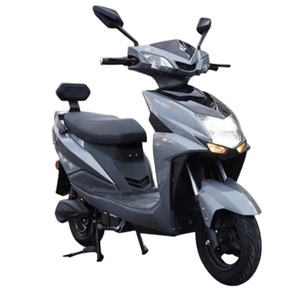
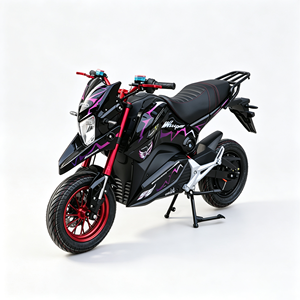
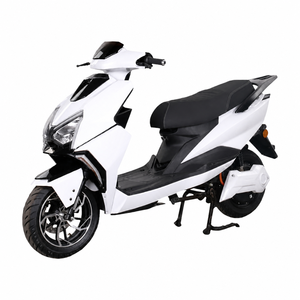
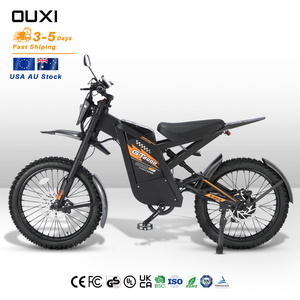
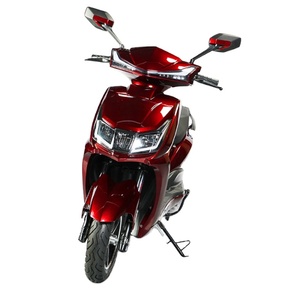
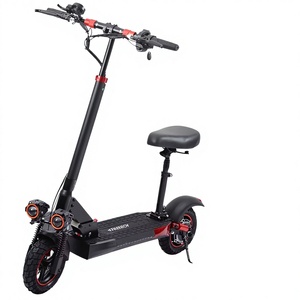
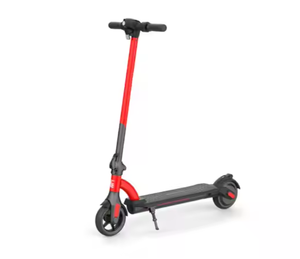
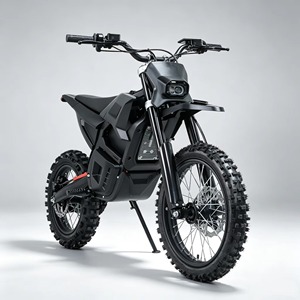
Empowering Egyptian fleet operators, commercial distributors, and OEM buyers with factory-direct supply chain integrity, regulatory compliance, and thermal protection engineering.
An in-depth analysis of regulatory adoption, economic drivers, infrastructure preparedness, and technical standards for importing two-wheeled electric vehicles into the Arab Republic of Egypt.
The urban transport ecosystem in Greater Cairo, Alexandria, Giza, and the Suez Canal cities is undergoing a structural transformation. Driven by Egypt’s National Climate Change Strategy 2050 and the national agenda for green economy transition, two-wheel e-mobility has elevated from an alternative transport medium to a strategic infrastructure necessity. Key micro-economic factors driving this market evolution include:
Regulatory Notice for Importers in Egypt: Egyptian Customs Authority and the Egyptian Organization for Standardization & Quality (EOS) mandate strict compliance with International Safety Standards. Products imported without valid European CE Certificates (EN 15194 for e-bikes, 2006/42/EC Machinery Directive, and 2014/30/EU EMC Directive) face mandatory re-exportation or prolonged border clearance holds at Alexandria, Port Said, or Sokhna ports.
As a leading original equipment manufacturer (OEM), our factory engineers vehicles specifically optimized to clear all technical barriers imposed by Egyptian customs agencies. The CE marking on our two-wheel mobility platforms is backed by accredited Third-Party Test Reports (TÜV, SGS, Intertek), certifying compliance across critical engineering parameters:
| Certification Standard | Regulatory Focus Area | Mandatory Technical Parameter | Relevance to Egypt Market |
|---|---|---|---|
| EN 15194:2017 | Electric Power Assisted Cycles (EPAC) | Maximum 48V DC, Motor Cut-off at threshold, Brake circuit integration | Clearance at Alexandria Port; required for commercial fleet registration. |
| 2006/42/EC | EU Machinery Directive | Structural frame fatigue, Mechanical stress resilience, Brake performance | Ensures chassis durability under heavy load on rough Egyptian road networks. |
| 2014/30/EU | Electromagnetic Compatibility (EMC) | Zero interference with cellular systems, GPS tracking, or electronic signals | Mandatory for commercial fleet management systems and telematics integration. |
| UN 38.3 & IEC 62133 | Lithium Battery Transportation Safety | Thermal shock test, Altitude simulation, Vibration, External short-circuit | Required for air/maritime freight clearance and safe operation in high ambient heat. |
Our electric mobility platforms are engineered to solve specific operational challenges across Egypt's diverse geographical and commercial sectors.
Designed for ultra-high daily mileage (100 km - 150 km per shift) in dense urban centers such as Downtown Cairo, Heliopolis, Nasr City, and Maadi. Dual LFP battery packs with quick-swap capabilities eliminate charging downtime for e-commerce courier fleets.
Tailored for residential transport in New Cairo, 5th Settlement, 6th of October City, Sheikh Zayed, and El Shorouk. Offers silent, zero-emission personal mobility matching compound eco-standards and noise level restrictions.
Optimized for rental fleets and intra-resort operations in Sharm El Sheikh, Hurghada, El Gouna, Marsa Alam, and the North Coast (Sahel). Marine-grade anti-corrosion coatings protect against salt spray and high atmospheric humidity.
Ideal for maintenance crews and supervisory mobility inside SCZONE (Suez Canal Economic Zone), Borg El Arab Industrial Zone, and Sadat City manufacturing complexes. Heavy-duty chassis handle industrial payloads up to 200 kg.
Provides low-cost, safe, speed-governed transport for students and staff across expansive educational facilities such as AUC New Cairo, Cairo University, and BUE. Includes smart app telemetry and geofencing capabilities.
All-terrain off-road models (such as the M7 6000W and GT2000 Fatbike) accommodate rough dirt roads, desert sand trails, and agricultural estates in Upper Egypt (Luxor, Aswan, Asyut) with reinforced dual-suspension setups.
Summer temperatures in Southern and Central Egypt routinely exceed 45°C, creating thermal runaway risks for standard electronics. Here is how our engineering overcomes thermal degradation.
Standard Nickel Manganese Cobalt (NMC) batteries experience accelerated chemical degradation, capacity loss, and thermal instability when operated repeatedly in ambient heat above 40°C. For the Egyptian market, our factory defaults to Lithium Iron Phosphate (LiFePO4 / LFP) cell architecture for commercial models.
Every vehicle delivered to the Egyptian market is integrated with an industrial-grade, multi-stage Smart BMS programmed with custom thermal throttling algorithm logic:
A 3-year commercial projection comparing a fleet of 10 traditional 150cc petrol delivery bikes vs. 10 Jolta CE-certified electric motorcycles operating in Greater Cairo.
| Operational Expense Category (3-Year Timeline) | 10x Petrol Delivery Motorcycles (150cc) | 10x Electric Motorcycles (72V 30Ah LFP) | Fleet Net Savings (EGP) |
|---|---|---|---|
| Fuel / Energy Expenditure (120 km/day per unit @ current rates) | 1,135,000 EGP | 189,000 EGP | + 946,000 EGP |
| Engine Oil & Filter Replacements (Every 1,500 km) | 162,000 EGP | 0 EGP (No Engine Oil) | + 162,000 EGP |
| Transmission, Clutch & Spark Plug Maintenance | 98,000 EGP | 12,000 EGP (Gearbox lubricant check) | + 86,000 EGP |
| Scheduled Brake & Tire Servicing | 75,000 EGP | 55,000 EGP (Regenerative braking reduces pad wear) | + 20,000 EGP |
| Total Estimated 3-Year Operational Cost | 1,470,000 EGP | 256,000 EGP | + 1,214,000 EGP SAVINGS |
Why international B2B buyers, government procurement officers, and automotive distributors choose our OEM manufacturing facilities for their supply contracts.
Chassis frames constructed from high-tensile cold-drawn carbon steel tubing. Robotically seam-welded to absorb continuous road vibrations and heavy commercial payloads up to 200 kg without structural fatigue.
Every scooter leaving the production line undergoes a 100% automated dynamometer drive cycle test measuring acceleration curves, braking efficiency, regenerative current playback, and electrical insulation resistance.
To assist Egyptian business partners in taking advantage of lower import tariffs for local assembly, we provide Semi-Knocked-Down (SKD) and Completely-Knocked-Down (CKD) kits along with complete factory line technical documentation.
Answers to critical questions regarding customs documentation, shipping logistics, payment terms, and technical warranties for Egyptian importers.
Connect directly with our engineering sales team to request factory wholesale pricelists, CE compliance certificates, and container loading specifications tailored for the Egyptian market.