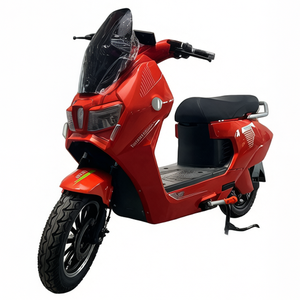
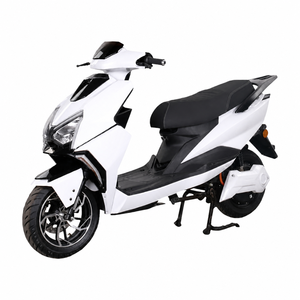
China Top Fleet Electric Motorcycle Manufacturers & Supplier in the Brazil Market

Industrial-Grade Two-Wheeler Electrification, OEM/ODM Solutions & Commercial Fleet Optimization for Brazilian Delivery, Express & Urban Mobility Enterprises

Recommended Fleet Electric Motorcycles

Engineered for High Payload, Long Range & Heavy Daily Duty Cycles Across Brazilian Metropolises
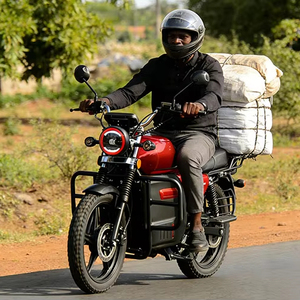
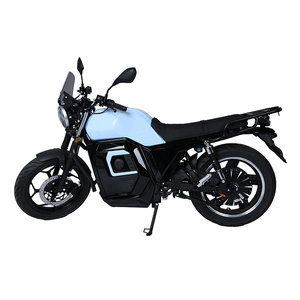
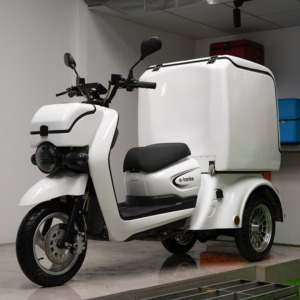
Commercial Fleets Use High-Speed Long-Range 3000W 72V Electric Motorcycle

Commercial Fleets Use High-Speed Long-Range 3000W 72V Electric Motorcycle with 250kg Load Capacity 61-80km/h for Off-Road Use

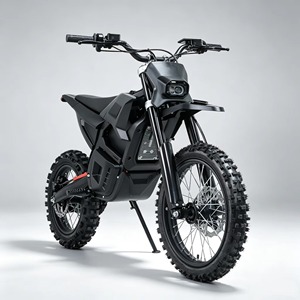
72V 60V Electric Dirt Bike 200KM Long Range Electric Motorcycle

72V 60V Electric Dirt Bike 200KM Long Range Electric Motorcycle Lithium Battery Direct for Dults Delivery Fleet

Heavy-Duty Electric Motorcycle for Last-Mile Delivery

Heavy-Duty Electric Motorcycle for Last-Mile Delivery Fast Charging Scooter Affordable & High ROI for Delivery Fleets

M7 6000W Electric Offroad Motorcycle 72V Adult E Moto

M7 6000W Electric Offroad Motorcycle 72V Adult E Moto Dirt Bike Enduro for Riders and Rental Fleet 2026 2027

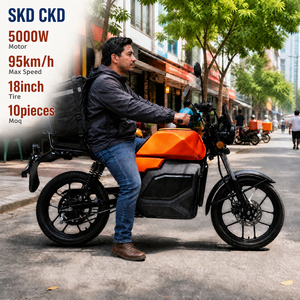
Electric Motorcycle for Delivery Courier Riding Adult E-Motorbike

Electric Motorcycle for Delivery Courier Riding Adult E-Motorbike Express Food Commercial Use Urban Fleet Transportation

Fleet Brushless Electric Motorcycle 72V 1200W Two Seat

Fleet Brushless Electric Motorcycle 72V 1200W Two Seat Adult Sportbike with 250KG Load for Commercial Urban Mobility Orders

12 Inch Tire Electric Motorcycle 200km Range 80km/h 1500W

12 Inch Tire Electric Motorcycle 200km Range 80km/h 1500W 72V 52Ah for Delivery Fleet

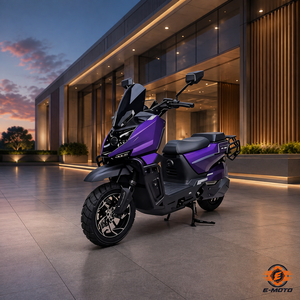
City Electric Motorcycle 72V30AH Dual Battery Pack

City Electric Motorcycle 72V30AH Dual Battery Pack 70km Range for Supermarket Shop Delivery Fleet

85%
OPEX Reduction vs Gasoline
250 kg
Maximum Fleet Cargo Payload
200 km
Extended Dual-Battery Range
IP67
Waterproof & Tropicalized Build

The Macro Electrification Shift in Brazil’s Commercial Two-Wheeler Market

Brazil stands as the epicenter of Latin America's logistics and last-mile delivery boom. Metropolises such as São Paulo, Rio de Janeiro, Belo Horizonte, and Curitiba handle millions of daily e-commerce and food delivery express orders through platforms like iFood, Rappi, Loggi, and Mercado Livre. Historically powered by internal combustion engine (ICE) motorcycles like the 150cc–160cc street bikes, fleet operators now face unprecedented operational pressure driven by soaring fuel costs, volatile ethanol/gasoline pricing, high urban maintenance, and strict corporate ESG targets.

As a leading China-based original equipment manufacturer (OEM) and tier-1 supplier, we engineer heavy-duty electric motorcycles tailored specifically to overcome Brazil’s rigorous operational demands: steep urban inclines, heavy cargo payloads up to 250kg, harsh cobblestone terrain (paralelepípedo), and high ambient tropical heat. Our commercial-grade 60V and 72V powertrains feature high-density Lithium Iron Phosphate (LFP) chemistry, offering Brazilian fleet directors, B2B importers, and mobility distributors an unrivaled Return on Investment (ROI) and Total Cost of Ownership (TCO).

Information Gain Insight: Transitioning a 100-vehicle delivery fleet in Brazil from 160cc gas motorcycles to 72V commercial electric motorcycles reduces per-kilometer energy costs from average R$ 0.22/km down to R$ 0.03/km, yielding complete capital expenditure payback in less than 7 months of continuous operation.

Total Cost of Ownership (TCO): Gasoline vs. China Fleet Electric Motorcycle in Brazil

To assist fleet managers in financial evaluation, the following operational matrix contrasts traditional 160cc ICE delivery bikes against our 72V 52Ah commercial fleet electric motorcycles under real-world Brazilian urban conditions (assuming 120 km daily mileage over 26 working days per month):

Cost Vector & Specification Traditional 160cc Gas Bike (Brazil) 72V Heavy-Duty Fleet E-Motorcycle Fleet ROI Advantage
Daily Fuel / Energy Cost R$ 26.40 (Gasoline @ R$ 6.15/L) R$ 3.60 (Electricity @ R$ 0.85/kWh) 86% Daily Energy Savings
Monthly Operating Expense (120 km/day) R$ 686.40 / month R$ 93.60 / month Save R$ 592.80 / rider / mo
Scheduled Maintenance Oil changes, spark plugs, clutch plates, drive belts Direct brushless hub motor (Zero engine maintenance) 70% Reduced Service Downtime
Brake & Tire Lifecycle Standard drum / single disk wear Regenerative braking + 12-inch heavy-duty reinforced tires Extended Component Wear
Carbon Footprint (ESG Impact) ~2.3 kg CO2 per liter consumed 0 Direct Tailpipe Emissions (Clean Grid Ready) 100% ESG Compliance

Localized Fleet Application Scenarios Across Brazil

Designing electric two-wheelers for Brazil requires deep domain knowledge of regional geographic variations, legal frameworks, and commercial usage profiles. Our vehicles are deployed across four core operational environments:

Urban Last-Mile Food & Express Delivery

Optimized for couriers navigating dense traffic in São Paulo (Zona Central & Faria Lima). Features quick-swappable dual 72V 30Ah lithium batteries, delivering 140–200km range without mid-shift charging delays.

Supermarket & Heavy Parcel Freight

Tailored for heavy grocery fulfillment. Equipped with reinforced cold-rolled steel frames, rear cargo rack integration, 250kg load capacity, and 1500W–3000W high-torque motors for climbing 25-degree hills.

Rural Agribusiness & Utility Patrol

Engineered for Mato Grosso, Paraná, and interior agricultural estates. High-speed 6000W enduro dirt models provide off-road suspension, mud-resistant wiring, and long-range battery packs for rugged trails.

Technical Architecture Built for Brazilian Climates & Roads

Brazil’s tropical weather presents unique engineering challenges, including intense solar radiation, heavy summer flash floods (tempestades), and abrasive road surfaces. China manufacturers who export generic e-bikes often face high failure rates due to water ingress or thermal degradation. Our commercial fleet lineup integrates specialized localized engineering:

  • Thermal Stability via LFP Cell Tech: Unlike standard ternary NCM batteries sensitive to tropical heat, our Lithium Iron Phosphate (LiFePO4) packs operate safely up to 60°C with an extraordinary thermal runaway resistance and over 3,000 deep charge cycles.
  • IP67 Waterproofing & Sealed Controller Enclosures: Electrical harnesses, BMS units, and BLDC motor hubs are fully sealed to withstand deep puddles during Brazil's rainy season.
  • Heavy-Duty Suspension & Frame Stress Relief: Reinforced front hydraulic forks and dual rear air shock absorbers absorb severe vibration caused by uneven cobblestones and unpaved roads.
  • CONTRAN Resolution 996/2023 Ready: Manufactured to comply with Brazilian National Transit Council regulations, including certified headlight intensity, rear reflector geometry, speed governors, and brake system safety standards.

Macro Trends & Supply Chain Logistics for Brazilian Importers

The Brazilian two-wheeler sector is undergoing a regulatory and economic transformation. Understanding these trends allows Brazilian fleet operators and distributors to optimize their procurement strategies when sourcing from China manufacturers:

1. Regulatory Compliance (CONTRAN & INMETRO)

CONTRAN Resolution 996/2023 officially defined the technical boundaries for low-speed electric mobility equipment, mopeds (ciclomotores), and full-scale electric motorcycles (motocicletas elétricas). Importing compliant vehicles requires proper VIN structure (Chassi ISO 3779), INMETRO-certified chargers, and documentation aligned with Denatran registration system (SISREV). Our factory handles all OEM homologation documentation directly, ensuring zero friction at Brazilian customs clearance.

2. Manaus Free Trade Zone (ZFM) vs. SKD/CKD Direct Importation

Brazilian importers can leverage two primary logistical pathways when purchasing high-volume electric motorcycle fleets from our China facility:

  • CKD (Completely Knocked Down) Shipping: Maximizes container loading density (up to 135 units in a 40HQ container). Ideal for companies assembling in the Manaus Free Trade Zone (Zona Franca de Manaus) to gain tax incentives under PPB (Processo Produtivo Básico).
  • SKD (Semi Knocked Down) Shipping: Delivered partially assembled (front wheel, handlebar, and cargo box unmounted). Perfect for rapid deployment through Santos, Paranaguá, or Rio de Janeiro ports with minimal local assembly infrastructure required.

3. Integration with Telematics & Fleet Management Software

Modern Brazilian delivery fleets require real-time visibility over asset position, driver behavior, and battery State of Health (SoH). Our electric motorcycles come equipped with integrated IoT CAN-BUS telemetry modules, enabling direct API sync with fleet platforms like Cobli, Sascar, or proprietary enterprise logistics dashboards.

Why Partner With Our China Electric Motorcycle Factory?

As an established tier-1 electric motorcycle OEM/ODM manufacturer in China, we combine automated robotic production lines with rigorous vehicle testing standards to guarantee high-volume delivery consistency for international markets.

Integrated Manufacturing Base

Over 50,000 m² modern manufacturing facility equipped with automated chassis welding, electrostatic paint booths, and computerized dyno testing rigs.

Strict ISO & Automotive Quality Control

Certified under ISO9001 and IATF16949 systems. Every batch undergoes 100% water spray immersion, chassis fatigue, and high-voltage electrical safety checks.

Flexible OEM/ODM & Custom Branding

Custom bodywork colors, corporate fleet decal application, custom cargo box mounts, telemetry integration, and localized owner manuals in Portuguese.

Frequently Asked Questions (FAQ) for Brazilian B2B Importers

Here are clear answers to the most common questions raised by fleet management companies, logistics operators, and EV distributors in Brazil:

What are the import duties and tariff codes (NCM) for electric motorcycles in Brazil?
Electric motorcycles generally enter Brazil under NCM code 8711.60.00 (Electric Motorcycles and Mopeds). Import tax (Imposto de Importação - II) varies depending on Mercosur tariffs and current Brazilian federal EV incentive programs. Importing in CKD format for assembly in Zona Franca de Manaus (ZFM) can significantly reduce IPI (Imposto sobre Produtos Industrializados) and PIS/COFINS tax loads. Our team provides complete commercial invoice structures and packing lists to optimize customs clearance.
How do your electric bikes perform under Brazil's high summer temperatures?
Our commercial fleet lineup utilizes industrial grade Lithium Iron Phosphate (LFP / LiFePO4) battery packs equipped with active heat-dissipating aluminum casings and advanced Smart BMS (Battery Management System). Unlike ternary lithium cells which suffer thermal stress above 40°C, LFP chemistry remains structurally stable up to 60°C ambient temperature, preventing thermal runaway and preventing power throttling during long afternoon shifts in cities like Rio de Janeiro or Cuiabá.
Can we request custom branding, colors, and cargo boxes for logistics fleets?
Yes, full OEM/ODM customization is a core factory strength. We offer custom Pantone color matching for corporate fleet identity (e.g., delivery yellow, red, or green), pre-installed high-capacity thermal insulated food boxes or fiberglass delivery containers, integrated USB charging ports for courier smartphones, and laser-engraved corporate branding on frame components.
What warranty coverage and spare parts support are provided?
We supply a standard 2-year warranty on lithium battery packs and brushless motors, alongside a 3-year structural warranty on chassis frames. To ensure maximum fleet uptime in Brazil, we ship a recommended 2% fast-moving spare parts package (controllers, throttles, brake pads, tires, switches) with every container order. Additional replacement parts are dispatched via fast air freight or consolidated ocean shipments upon request.
What is the average container lead time from China factory to Brazilian ports?
Factory production lead time typically ranges between 25 to 35 days upon order confirmation and technical configuration lock. Ocean transit time from main China ports (Ningbo/Shanghai/Shenzhen) to Port of Santos or Paranaguá takes approximately 30 to 40 days. In total, Brazilian importers can plan on receiving complete fleet shipments within 65 to 75 calendar days from deposit.

Transform Your Brazilian Delivery Fleet Efficiency Today

Partner directly with China's leading commercial electric motorcycle manufacturer. Request bulk quotes, technical specification sheets, or OEM sample testing for the Brazilian market.

Contact Us