
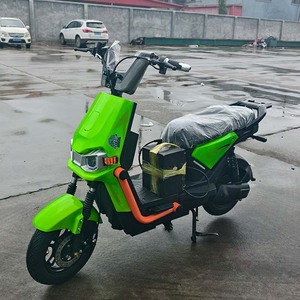
Modern Design Lithium Batteries 60V 1000W Long Range Powerful Performance Electric Bicycle
Platform60V / 1000W
Battery TypeLithium-Ion / LFP
Range80 - 100 km
MotorRear Hub Motor
High-capacity power systems and electric two-wheelers engineered for Kenya's urban commuting, heavy delivery, and off-road rural transport networks.
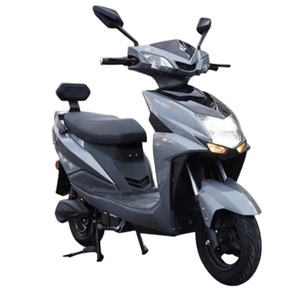
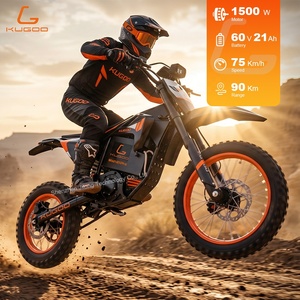
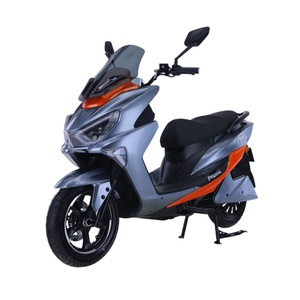
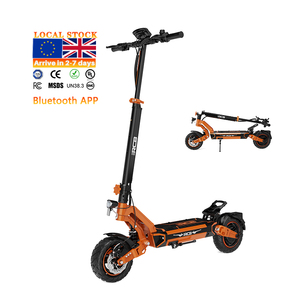
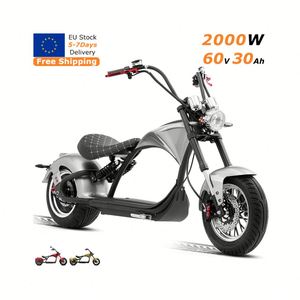
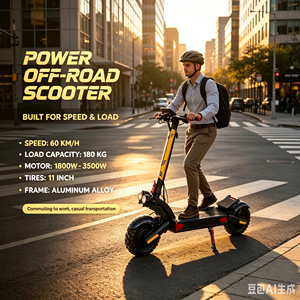
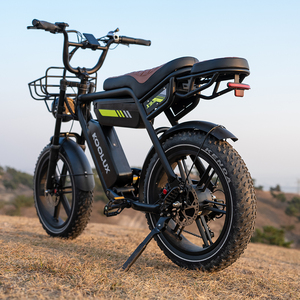
Kenya is rapidly emerging as the beating heart of East Africa’s electric vehicle revolution. Spurred by the Kenyan National E-Mobility Policy draft, favorable tariff structures on EV knock-down kits, and rising fuel prices, urban hubs from Nairobi and Mombasa to Kisumu and Nakuru are shifting toward electric two-wheelers. However, operating commercial electric motorbikes (popularly known as Boda Bodas) in Kenya presents aggressive mechanical and thermal challenges that standard off-the-shelf lithium batteries fail to survive.
As a premier electric bike battery supplier serving the Kenya market, we engineer tailored Lithium Iron Phosphate (LiFePO4) and high-density Nickel Manganese Cobalt (NMC) battery packs designed specifically for equatorial climates, unpaved corrugated routes, high daily mileage, and frequent battery-swapping operations.
From dense Nairobi traffic bottlenecks to rugged Rift Valley trails, our battery packs are customized for local operational realities.
Boda Boda riders cover 120 km to 200 km per day carrying heavy passenger and cargo loads. Our 60V and 72V LiFePO4 packs deliver continuous 2C discharge capabilities without dynamic thermal throttling, allowing riders to maintain speed under load up steep inclines like Nairobi’s Westlands and Upper Hill districts.
Courier platforms (such as Jumia, Glovo, and local logistics operators) require predictable battery telemetry. Integrated smart BMS modules stream state-of-charge (SOC), voltage stability, and GPS locations via GSM/CAN-bus networks directly to central dispatcher dashboards, maximizing daily delivery uptime.
In rural agricultural hubs near Eldoret or Kitale where grid infrastructure experiences rolling brownouts, our batteries seamlessly integrate with solar microgrids. Designed with wide voltage charging windows, these packs absorb uneven solar PV input without degrading internal cell chemistry balance.
Silent electric motorcycles operating in wildlife conservancies around Naivasha and Mara need silent operation combined with rugged waterproofing. Reinforced IP67 aluminum casings protect internal cells against river crossings, fine volcanic dust, and extreme physical vibration.
Analyzing chemistry performance, regulatory compliance (KEBS / EPRA), and business model compatibility.
Kenyan riders cannot afford 3 to 4 hours of charging daytime downtime. Battery Swapping Systems (BSS) have become the default standard in Nairobi. OEM buyers require standardized swappable battery formats featuring heavy-duty self-locating blind-mate connectors (such as Chogori or Anderson contacts) capable of surviving over 10,000 insertion cycles.
Financing is the single largest driver of electric bike adoption in East Africa. Financial institutions and leasing platforms deploy Pay-As-You-Go (PAYG) revenue models. Our custom BMS solutions feature integrated micro-relays that communicate with M-Pesa mobile money APIs, allowing remote lockout via IoT telemetry if daily lease payments lapse.
The Energy and Petroleum Regulatory Authority (EPRA) and Kenya Bureau of Standards (KEBS) are actively implementing strict quality parameters for imported EV batteries. Compliance with UN38.3 (transportation safety), IEC 62133, and ISO 12405 thermal testing is mandatory to ensure hassle-free port customs clearance at Mombasa Port.
Technical Information Gain: LiFePO4 (LFP) vs. NMC Chemistry Evaluation for Kenyan Environmental & Commercial Usage Contexts.
| Performance Metric | Lithium Iron Phosphate (LiFePO4 / LFP) | Nickel Manganese Cobalt (NMC) | Kenyan Field Advantage |
|---|---|---|---|
| Cycle Life (to 80% Capacity) | 2,500 - 4,000 Cycles | 800 - 1,200 Cycles | LFP reduces total cost of ownership (TCO) for Boda operators over 4 years. |
| Thermal Runaway Threshold | ~270°C (Extremely Safe) | ~210°C (Requires Active Cooling) | LFP resists high ambient heat without risk of fires during fast charging. |
| Energy Density (Wh/kg) | 140 - 170 Wh/kg | 200 - 250 Wh/kg | NMC offers lighter weight for high-speed luxury or personal commuter bikes. |
| Boda Boda Commercial Suitability | Ideal (Highest ROI) | Moderate (High Initial Cost) | LFP withstands twice-daily rapid swap cycles without premature capacity fade. |
| Port Clearing Compliance | UN38.3 / IEC62133 Passed | UN38.3 / IEC62133 Passed | Both chemistries are supplied with complete MSDS and UN test certification. |
Combining advanced cell assembly technology, rigorous quality testing, and deep OEM/ODM customizability.
We strictly utilize fresh, Tier-1 Grade-A prismatic and cylindrical cells (CATL, EVE, BYD, or Panasonic equivalents). Every single cell undergoes automated capacity grouping, internal resistance (IR) matching, and voltage sorting before pack construction to prevent cell imbalance down the road.
Our in-house electrical engineers code customized Battery Management System (BMS) firmware. Whether your fleet operates on CAN-bus, RS485, or UART communication protocols, our BMS delivers precise State of Health (SOH), multi-point temperature sensing, passive/active cell balancing, and over-current protection.
Kenyan roads demand superior shock protection. We utilize high-strength aluminum alloy casings filled with thermal conductive silicone potting materials. Internal nickel busbars are spot-welded via automated laser welding, ensuring connection integrity even under relentless terrain vibration.
Clear, expert answers regarding procurement, customs logistics, technical specifications, and warranty coverage.
Partner with an established electric bike battery supplier. Get custom engineering support, factory-direct wholesale pricing, and sample packs delivered for local road testing.