Explore our export-ready direct-drive electric motorcycles, high-torque hub motor assemblies, and heavy-duty wheel sets customized for fleet buyers, assembly plants, and commercial distributors in Mexico.
An engineering analysis of altitudinal thermodynamics, torque density, maintenance overhead, and total cost of ownership (TCO) for urban electric two-wheelers.
The electrification of two-wheeled transportation across Mexico City (CDMX) represents a unique mechanical and thermodynamic challenge for OEM motorcycle manufacturers, commercial delivery fleet operators, and municipal mobility stakeholders. Situated in the Valley of Mexico at an elevation of 2,240 meters (7,350 feet) above sea level, Mexico City imposes severe physical constraints on traditional internal combustion engine (ICE) motorbikes. At this altitude, atmospheric pressure drops by approximately 22%, resulting in oxygen deprivation that reduces standard 125cc–150cc gasoline motorcycle power output by 20% to 25%. Gasoline engines suffer from incomplete combustion, accelerated carbon build-up during low-speed idle on avenues such as Avenida de los Insurgentes or Paseo de la Reforma, and elevated fuel consumption.
Electric propulsion completely eliminates high-altitude power derating because electric motors do not rely on atmospheric oxygen for energy conversion. However, selecting the appropriate electric powertrain architecture—specifically comparing Direct-Drive Brushless DC (BLDC) Rear Hub Motors against central Mid-Drive motor systems with chain or belt transmissions—is the critical engineering decision determining commercial viability in CDMX.
As a leading hub motor motorcycle manufacturer and tier-1 powertrain exporter, our technical whitepaper establishes why direct-drive hub motors offer superior durability, thermal stability, and long-term cost benefits for the topography of Mexico City:
How our heavy-duty hub motor electric motorcycles perform in specific CDMX urban environments, topography, and commercial sectors.
Location Focus: Centro Histórico, Polanco, Condesa, and Roma Norte.
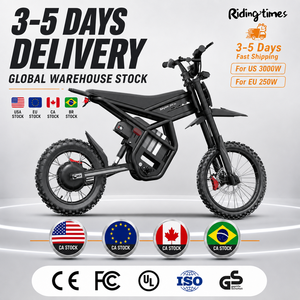
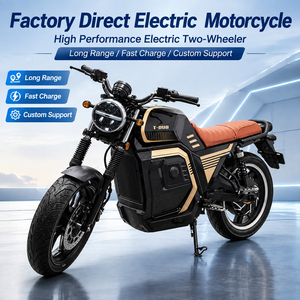
Couriers operating on express food delivery (Rappi, UberEats) and e-commerce platforms (Mercado Libre) cover 120 km to 180 km per shift. Stop-and-go gridlock around Eje Central and congested narrow streets subjects traditional clutches to extreme wear. Our 72V 3000W hub motor electric motorcycles (like the SG-C300 platform) feature integrated regenerative braking algorithms. Every time the rider decelerates in traffic, the motor acts as a generator, harvesting kinetic energy back into the Lithium Iron Phosphate (LFP) battery pack, extending brake pad lifespan by 300% and expanding daily operational range by up to 18%.
Location Focus: Santa Fe, Cuajimalpa, Álvaro Obregón, and Naucalpan corridors.
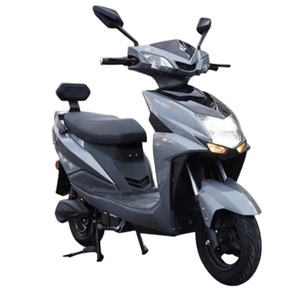
Commuters negotiating the steep elevation changes connecting the upper Santa Fe business district with lower residential basins demand sustained torque. A standard 250W–500W lightweight motor bogs down on 15% gradients. Our 60V–72V 1500W to 2000W electric commuter motorbikes utilize specialized high-density copper slot-filling technology with Field Oriented Control (FOC) vector controllers. This delivers continuous hill-climbing speeds of 45 km/h to 60 km/h without stator overheating or controller over-current tripping.
Location Focus: Insurgentes Sur, Viaducto Miguel Alemán, and Iztapalapa during June–September.
Tropical downpours in Mexico City routinely cause urban flash flooding, where water levels on major avenues reach 15 to 25 cm depth. Internal combustion engines suck water through low-mounted air intakes, causing hydro-lock engine destruction. Our hub motor shell assemblies feature double-lip fluororubber oil seals, silicone stator coatings, and IP67/IP68 ingress rating. The completely enclosed, brushless motor continues operating flawlessly submerged up to axle height, guaranteeing uninterrupted fleet service through monsoon conditions.
Location Focus: University precincts (UNAM CU), Coyoacán, and tourist corridors.
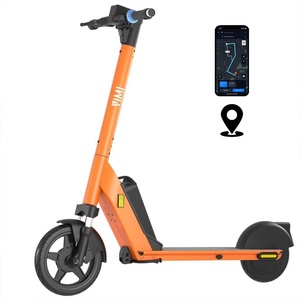
Commercial operators running dockless shared electric scooters or swappable-battery two-wheelers require tamper-proof durability and real-time telematics integration. Our specialized shared-mobility hub motor platforms incorporate internal drum/disc brake combinations, anti-theft electromagnetic motor lock systems, and native CAN-BUS/RS485 communication protocols compatible with IoT GPS tracking units for immediate fleet management via mobile applications.
A side-by-side financial and mechanical comparison based on real-world energy tariffs, gasoline pricing (Magna/Premium), and service metrics in Mexico City (CDMX).
| Evaluation Parameter | Standard 125cc Gasoline Motorbike | Jolta OEM 3000W Hub Motor E-Motorcycle | CDMX Localized Advantage |
|---|---|---|---|
| Altitudinal Performance Loss | 20% – 25% Power Derating at 2,240m | 0% Power Loss (Consistent Output) | Full rated torque delivered on all CDMX hill inclines. |
| Energy Cost / 100 KM | ~$3.80 USD (Gasoline @ ~$24.50 MXN/L) | ~$0.55 USD (Electricity @ CFE Commercial Tariff) | 85% reduction in daily fuel expenses. |
| Scheduled Maintenance Items | Engine Oil, Spark Plugs, Air Filter, Clutch, Chain, Belts | Tires & Hydraulic Brake Fluid Only | No oil disposals; zero transmission wear items. |
| Environmental Regulations | Subject to "Hoy No Circula" Contingency Days | 100% Exempt (Green Eco-Plate Eligible) | Unrestricted 365-day operation across all CDMX zones. |
| Water Ingress Resilience | High Risk (Air intake water ingestion hydro-lock) | IP67 / IP68 Sealed Sealed Motor Hub | Rides safely through typical rainy season street floods. |
| Noise & Emission Footprint | High Exhaust Noise + High CO2/NOx Emissions | Zero Tailpipe Emissions / Silent Drive | Access to zero-emission logistics zones & indoor hubs. |
Combining proprietary electric powertrain manufacturing, high-strength alloy frame fabrication, and strict ISO quality control protocols.
Our factory employs 100% automated high-fill copper winding machines. By maximizing the slot fill factor to over 90%, our motors achieve low internal resistance, reduced copper loss (I²R loss), and exceptionally high magnetic flux density for maximum torque generation.
We pair our hub motor motorcycles with high-grade Lithium Iron Phosphate (LiFePO4 / LFP) battery packs. LFP chemistry offers outstanding thermal stability during high ambient CDMX temperatures, over 3,000 deep discharge cycles, and zero risk of thermal runaway explosion.
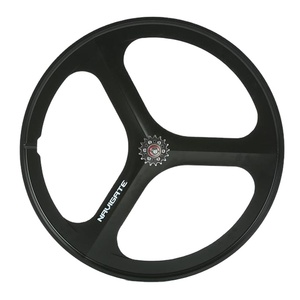
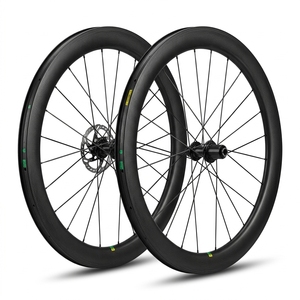
Engineered to handle severe urban potholes and speed bumps (topes). Our motorcycles feature high-strength steel alloy frames powder-coated for corrosion resistance, along with lightweight magnesium or carbon fiber rims that reduce rotational inertia.
Sine-wave Vector Controllers are custom-tuned to match our motor inductance and phase angles. This delivers whisper-quiet acceleration, smooth throttle modulation without jerky power spikes, and highly accurate electronic braking efficiency.
To assist Mexican importers in minimizing import tariffs (HS Code 8711.60) and local logistics costs, we offer complete Completely Knocked Down (CKD) and Semi-Knocked Down (SKD) modular packaging with full assembly line documentation and video guidance.
All exported hub motor motorcycles, chargers, and LFP batteries comply with international safety benchmarks including CE, ISO9001, UN38.3, and MSDS standards, facilitating smooth customs clearance at Manzanillo or Veracruz ports.
Key regulatory shifts, environmental incentives, and commercial demand surges shaping the EV motorcycle market across CDMX and Estado de México.
The market for electric two-wheelers in Mexico City is experiencing unprecedented expansion driven by a convergence of municipal environmental mandates, commercial fleet economic pressures, and urban congestion challenges:
Mexico City’s environmental authority (CAMe - Comisión Ambiental de la Megalópolis) frequently enacts Phase 1 environmental contingencies during high ozone seasons, restricting internal combustion vehicle movement. Electric motorcycles powered by direct-drive hub motors are 100% exempt from these driving bans. Fleet operators utilizing hub motor EVs ensure 365-day operational availability, offering an immense competitive advantage over ICE-based logistics companies.
Major multinational delivery platforms, grocery chains, and postal carriers operating in Mexico City have committed to transitioning 50% to 100% of their last-mile delivery fleets to zero-emission vehicles by 2030. High-torque hub motor electric motorcycles offer the precise payload resilience (up to 400 KG on heavy-duty trikes/bikes) and low operating costs required to meet aggressive corporate ESG ROI metrics.
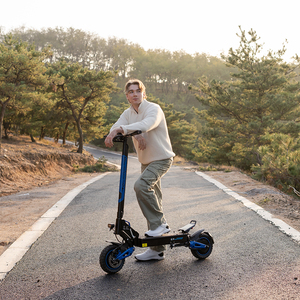
The Secretariat of Mobility (SEMOBI - Secretaría de Movilidad de la CDMX) has expanded dedicated cycle-tracks (Ciclovías) and low-speed mobility corridors across major arteries such as Insurgentes, Avenida Chapultepec, and Calzada del Valle. Lightweight electric scooters and hub-motor commuter motorcycles allow riders to bypass vehicular gridlock safely while adhering to urban speed regulations (35 km/h – 60 km/h).
Direct answers addressing technical specs, custom OEM branding, customs logistics, and battery pairing for Mexican distributors.
Whether you are expanding a commercial delivery fleet in Mexico City, starting a localized assembly facility, or sourcing high-torque electric motorcycles for distribution across Latin America, our engineering team is ready to support your technical specifications.