Direct factory-engineered models ready for commercial fleet integration, urban commuting, and B2B OEM custom white-labeling.
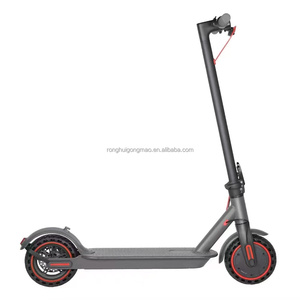
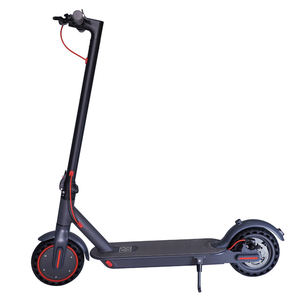
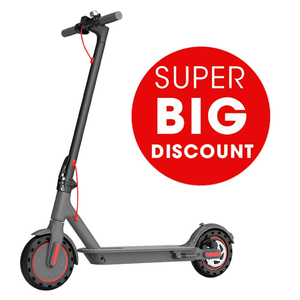
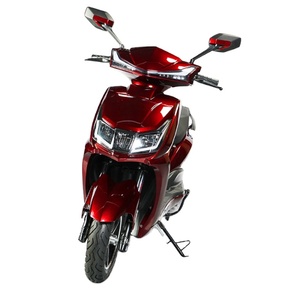
The Indian electric two-wheeler (e-2W) sector is experiencing a structural paradigm shift. Driven by government initiatives such as the Electric Mobility Promotion Scheme (EMPS) and Production Linked Incentive (PLI) frameworks, the Indian market is rapidly transitioning from basic commuter assembly to sophisticated, tech-enabled smart electric scooter manufacturing. For global B2B procurement officers, OEM brand owners, and fleet operators, navigating India’s manufacturing ecosystem requires an intimate understanding of localized engineering challenges, battery thermal management standards, and integrated telematics architectures.
Smart electric scooters are no longer categorized merely by motor power or top speed. Modern B2B procurement standards prioritize BMS (Battery Management System) telemetry, CAN-bus system integration, IoT cloud connectivity, over-the-air (OTA) diagnostic capabilities, and severe-duty thermal resilience under extreme Indian climatic conditions. Factory facilities supplying the Indian market must maintain strict manufacturing tolerances that prevent thermal runaway during scorching ambient temperatures exceeding 48°C while surviving severe monsoon flooding.
SEO & Sourcing Takeaway: India’s electric scooter market demands local manufacturing compliance under AIS-156 Phase 2 norms. Importing or contract manufacturing non-compliant smart scooters risks regulatory blocks and field failures in tropical climates.
Dominance of Lithium Iron Phosphate (LFP) chemistry over traditional NMC due to higher thermal stability thresholds, extended cycle life (over 2,500 charging cycles), and tolerance to Indian summer heatwaves.
Factory-installed Smart TCU (Telematics Control Unit) supporting real-time GPS tracking, geofencing, remote lock/unlock, battery health monitoring, and fleet operational dashboards.
Standardized swappable battery tray engineering allowing commercial delivery fleets (Q-commerce & e-Commerce) to exchange batteries within 30 seconds at automated swapping stations.
Smart electric scooters engineered in modern factories undergo rigorous real-world scenario testing to ensure long-term durability across diverse Indian topographies and commercial ecosystems. A single standardized scooter design often fails when deployed without localized structural and electronic modifications.
Platforms like Zomato, Swiggy, Blinkit, and Zepto rely on high-duty-cycle e-scooters that operate 12 to 16 hours daily. Factory engineering must prioritize dual-battery configurations or fast-swappable battery slots, reinforced rear sub-frames designed to handle payload capacities up to 200kg, and heavy-duty hydraulic rear suspension to mitigate frame fatigue caused by unpaved roads and urban speed breakers.
In congested metropolitan centers like Bengaluru, Delhi-NCR, Mumbai, and Hyderabad, smart electric scooters serve as primary personal mobility devices. Requirements include lightweight aluminum-alloy chassis construction, responsive mid-drive or BLDC hub motors (350W to 2000W), regenerative braking systems (EABS), and compact footprints for navigating high-density traffic congestion.
Operating electric scooters in Tier 2 and Tier 3 Indian cities involves unpaved terrain, loose gravel, deep potholes, and erratic power grids. Manufacturing standards demand high ground clearance (minimum 165mm–180mm), dustproof IP65 motor casings, wide tubeless tires, and wide-voltage smart chargers capable of safely charging under 120V–280V grid fluctuations.
The Indian monsoon season poses catastrophic risks to electric vehicle powertrains. High-quality manufacturing facilities utilize automated robotic potting for electronic controllers, marine-grade anti-corrosion chassis coatings, double-sealed battery enclosures, and IP67 ingress protection across all smart wire harnesses and digital dashboard displays.
| Specification / Feature | Commercial Fleet Smart Scooter | Personal Urban Commuter Scooter | Factory Customization Capability |
|---|---|---|---|
| Battery Technology | Dual LFP Swappable (60V/72V) | Integrated LFP / NMC Pack | Modular Tray & BMS Protocols |
| Payload Capacity | 180 kg – 220 kg Heavy Duty | 120 kg – 150 kg Standard | Reinforced Steel / Alloy Frame |
| Telematics & Connectivity | 4G IoT TCU + Fleet Dashboard API | Bluetooth App + Smart Keyless NFC | Custom Firmware & Cloud Server Binding |
| Water Ingress Rating | IP67 Sealed Powertrain & Battery | IP65 Rating | Robotic Silicone Potting |
| Braking Architecture | Dual Hydraulic Disc + CBS / EABS | Front Disc / Rear Drum + EABS | Regenerative Tuning |
When selecting a manufacturing partner or factory for smart electric scooters, international brands and domestic Indian distributors must conduct comprehensive technical audits beyond mere production volume claims. Authentic high-gain enterprise value stems from rigorous quality assurance protocols and vertically integrated supply chains.
Robotic TIG/MIG welding lines that guarantee consistent structural rigidity, eliminating micro-cracks and ensuring frame integrity under maximum GVW ratings.
In-house thermal chamber testing validating battery performance across extreme operating ranges (-10°C to 55°C), preventing thermal runaway and capacity degradation.
Computerized chassis dynamometer testing for every finished vehicle to calibrate speed sensors, throttle curves, braking efficiency, and power consumption specs.
Partnering directly with established smart electric scooter manufacturers eliminates intermediary trading markups while offering complete design freedom. B2B buyers gain access to full OEM/ODM engineering customization including custom frame geometry, bespoke mold development for plastic body fairings, tailored BMS communication protocols, brand-customized digital speedometer UI, and customized packaging solutions for streamlined logistics.
Comprehensive technical and commercial answers tailored for business buyers, fleet importers, and regional automotive dealers sourcing smart electric scooters.
Connect directly with our engineering team to request factory specifications, OEM customization quotes, and bulk procurement lead times for your target market.
Get a Quote