Engineered for steep slope gradeability, extreme urban payload requirements, and winter BMS performance in the Seoul Metropolitan Area.
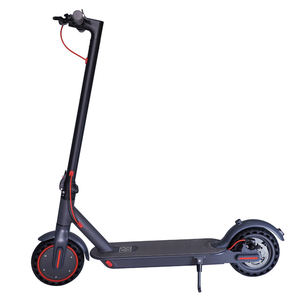
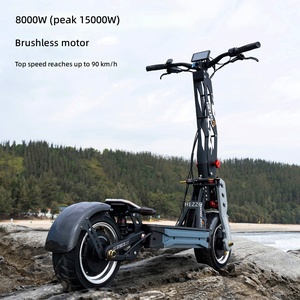
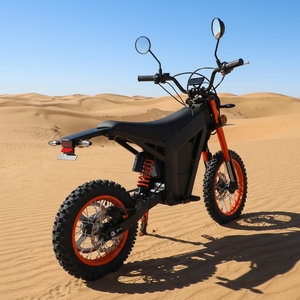
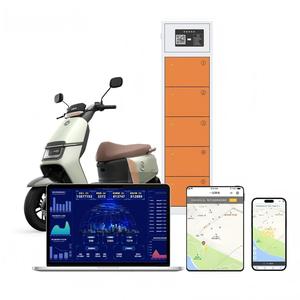
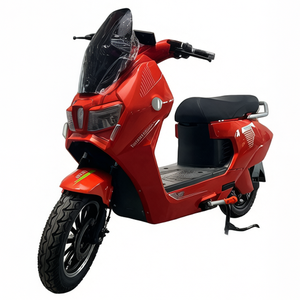
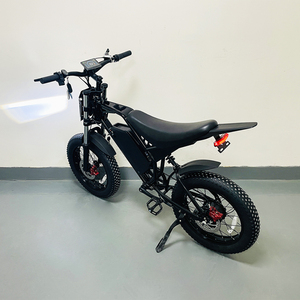
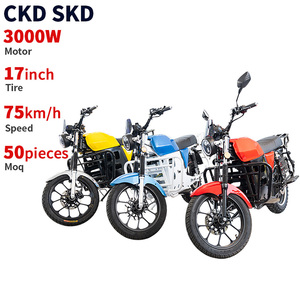
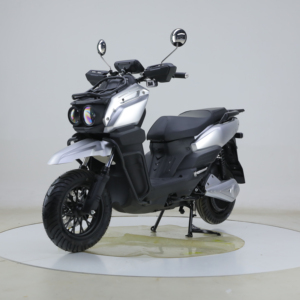
The urban mobility paradigm across the Seoul Metropolitan Area (SMG) is undergoing a structural shift. Driven by aggressive municipal decarbonization targets, stringent sound pollution limits on internal combustion engine (ICE) delivery bikes, and the expansion of high-density delivery ecosystems like Baemin (Woowa Brothers) and Coupang Eats, commercial operators are rapidly transitioning toward heavy-duty electric two-wheelers. Among these, the "Mecha" class—characterized by reinforced aluminum/chromoly steel exoskeletons, dual-motor drive architectures (up to 8000W peak), automotive-grade hydraulic suspension, and high-capacity Lithium Iron Phosphate (LFP) or NMC battery systems—has emerged as the definitive choice for demanding topographical and commercial duty cycles.
Unlike standard urban micro-mobility scooters designed for flat terrain and light loads, Seoul’s complex topography—including steep inclines exceeding 20 degrees in districts such as Gangnam, Namsan, Itaewon, and Sillim-dong—requires exceptional torque output, robust thermal management, and reliable mechanical braking systems. Furthermore, sub-zero winter temperatures in Korea present severe lithium-ion capacity degradation risks, necessitating advanced Battery Management Systems (BMS) with self-heating thermal loops and high-current drain tolerance. This whitepaper provides a rigorous analysis of the Top 10 Mecha Heavy Electric Scooter Manufacturers and Suppliers supplying the South Korean market, evaluating technical performance, regulatory compliance (KC Certification), supply chain flexibilities (CKD/SKD), and localized support structures.
Procuring micro-mobility hardware for Seoul requires balancing extreme gradeability with strict legal compliance under the Korean Personal Mobility (PM) laws and Ministry of Environment EV subsidy qualification rules. Dual-motor heavy mecha scooters with swapped-battery compatibility represent the fastest-growing OEM commercial category in 2026.
To successfully operate or distribute heavy electric scooters in Seoul, OEMs must design components against three harsh local operational realities:
Seoul’s residential and commercial logistics routes frequently require climbing steep road inclines. Standard single-motor 350W or 500W scooters experience rapid thermal throttling and motor stall under heavy payload conditions. Suppliers in the Mecha category utilize high-torque dual-motor setups (e.g., 2000W to 8000W total nominal/peak rating) combined with 72V/60V high-voltage sine-wave controllers. This ensures high efficiency without overheating the stator windings during prolonged uphill climbs.
Seoul’s winter temperatures regularly drop below -10°C, causing voltage sagging and reduced range in standard lithium pouch cells. Leading manufacturers specified for Korea integrate LFP (Lithium Iron Phosphate) or high-nickel NMC cells equipped with intelligent BMS heating matrices. These systems regulate internal cell temperatures during charge cycles and protect against low-temperature lithium plating during regenerative braking.
South Korea enforces strict mandatory testing under the KC (Korea Certification) framework for electronic micro-mobility devices and battery safety (KC 62133-2 / KC Safety Standards for Electrical Appliances). Importers must verify that manufacturers provide factory-level compliance documentation, UN38.3 transport safety reports, and flame-retardant chassis insulation to pass Korea Institute of Machinery and Materials (KIMM) inspections.
Structural high-grade aviation aluminum and tubular steel frames engineered to absorb structural stress under 150kg+ payload capacities across uneven Seoul cobblestones and speed bumps.
Full hardware compatibility with standardized battery swapping cabinets across Seoul, allowing commercial delivery riders to swap depleted packs in under 30 seconds.
Dual-piston hydraulic disc brakes combined with intelligent Electronic Anti-lock Braking Systems (E-ABS) prevent wheel lockup on wet Han River bike trails and icy urban slopes.
The following evaluation ranks the top global and regional manufacturers supplying heavy-duty, mecha-styled electric scooters and high-power mopeds optimized for South Korean distribution channels.
| Manufacturer / Brand | Core Platform | Peak Power | Battery Tech | Max Incline | KC Readiness | Primary Application |
|---|---|---|---|---|---|---|
| Jolta / Huli Motors OEM | Mecha Heavy & JE Series | 2000W - 8000W | 60V/72V LFP Smart BMS | 25° - 30° | Full Compliance | Fleet Delivery & Heavy Urban Commute |
| Dualtron (Minimotors) | Thunder / Storm Mecha | 5400W - 10000W | 72V LG/Samsung NMC | 35° | Certified | High-Speed Extreme Off-Road |
| Inokim Industrial | OXO Heavy Series | 2000W Dual Motor | 60V Samsung SDI | 20° | Certified | Premium Urban Mobility |
| Niu Technologies | NQi GT Commercial | 3000W Bosch Hub | 60V 35Ah Dual Pack | 18° | Certified | Shared Micro-Mobility & Delivery |
| Kaabo Mobility | Wolf Warrior Mecha | 4000W - 5400W | 60V/72V Li-ion | 30° | Pending Import | All-Terrain & Adventure |
| Segway-Ninebot B2B | SuperScooter GT2 | 6000W Peak Dual | 50.4V High Flux | 30° | Certified | Commercial Fleet & Rental |
| Vsett Dynamics | 11+ Mecha Edition | 3000W - 6000W | 60V/72V Hydraulic | 25° | Third-party Pass | Heavy Duty Enthusiast |
| Yadea Commercial | G5 Max Heavy | 3000W Mid-Motor | 72V 48Ah Swappable | 20° | Certified | Express Courier Logistics |
| Zero Electric | 11X Heavy Off-Road | 3200W Dual Drive | 72V LG Battery | 28° | Third-party Pass | Rugged Urban Commute |
| Super Soco / Voto | CPx Delivery Heavy | 4000W Mid-Drive | 60V 45Ah Double Pack | 17° | Certified | Government & Fleet Mobility |
Recognized for its robust industrial-grade EV platform production, Jolta / Huli Motors leads the commercial supply sector with modular mecha heavy electric scooters and high-power electric motorcycles. Their flagship Mecha 2000W (72V 38Ah) and 8000W Dual-Motor platforms are specifically engineered for heavy duty fleet operations. Utilizing in-house LFP battery cell integration, Jolta units offer superior thermal stability during hot summer continuous charging cycles as well as sub-zero winter commutes in East Asia. They provide flexible CKD (Completely Knocked Down) and SKD (Semi Knocked Down) shipment options, substantially reducing import tariffs for Korean enterprise buyers.
A legacy brand in South Korea with deep local distribution channels. Minimotors' Dualtron Storm and Thunder series feature aggressive mecha styling, massive power outputs up to 10,000W peak, and frame durability suited for high-speed extreme riding. However, their consumer-focused pricing structure makes them more suitable for retail enthusiasts than cost-sensitive last-mile commercial fleets.
Headquartered with strong global distribution, Inokim's heavy OXO platform focuses on ergonomic build refinement, smooth dual-suspension geometry, and premium Samsung SDI battery cell safety. They excel in comfort and aesthetic design for urban business commuters across Gangnam and Pangyo IT centers.
Niu dominates smart IoT-connected fleet scooters. Equipped with Bosch hub motors and cloud-connected telemetry, Niu's commercial vehicles provide real-time GPS fleet tracking, remote battery diagnostics, and automated maintenance alerts via API integrations popular among Korean shared-mobility app developers.
Kaabo specializes in dual-stem, high-rigidity off-road mecha scooters. The Wolf Warrior line incorporates motocross-style front hydraulic inverted forks and thick tubeless off-road tires, capable of tackling unpaved mountain access roads and steep stairwell ramps across South Korea's mountainous regions.
Segway’s GT2 series delivers cutting-edge aesthetic engineering, dynamic traction control (SDTC), and dual-wishbone suspension systems. Their strong local aftermarket service network across Seoul provides reliable warranty fulfillment for enterprise customers.
Vsett has gained market share with innovative NFC keycard security ignition systems and dual-stem stability mechanisms. Their Mecha series scooters prevent stem wobble at high speeds, offering stable handling on high-speed city avenues.
As one of the world's largest two-wheeler manufacturers, Yadea brings immense economies of scale. Their heavy commercial delivery models feature mid-drive motors with belt/chain reduction systems, yielding high torque efficiency specifically designed for rapid parcel delivery riders.
Zero’s 11X platform represents heavy industrial scooter design, emphasizing raw torque output and structural steel frame durability. Importers often select Zero platforms for customized enterprise modifications.
Super Soco manufactures high-step moped-style heavy scooters equipped with 16-inch front wheels, providing motorcycle-like chassis dynamics. Their dual-battery compartment configurations are widely adopted by government postal services and green corporate logistics fleets throughout Seoul.
The deployment of Mecha Heavy Electric Scooters in Seoul spans several key economic sectors:
Navigating the South Korean market requires strict adherence to evolving micro-mobility regulations:
1. Maximum Speed Caps and Classifications: Personal Mobility (PM) devices operated on Korean bicycle lanes are legally speed-restricted to 25 km/h. Units operating above 25 km/h are classified as Electric Motorbikes / Mopeds and require vehicle registration, plate installation, legal headlight position compliance, and rider motorcycle licenses.
2. Battery Cell Certification (KC 62133-2): Non-negotiable safety standards govern all imported lithium battery packs. Importers must ensure the overseas manufacturer’s BMS includes overcharge protection, thermal runoff isolation, flame-retardant casing, and certified cell sourcing (LG, Samsung SDI, CATL, or BYD LFP grade cells).
3. Recycling & Extended Producer Responsibility (EPR): South Korea enforces strict eco-packaging and battery recycling laws. Importers of heavy electric scooters are required to partner with accredited local battery recycling consortia for end-of-life battery disposal.
Partnering with a proven, direct-factory manufacturer is essential for maintaining brand reputation and profitability in competitive markets like Seoul. Factory-direct partnerships offer three main strategic advantages:
1. Strict Quality Control & Traceability: Direct manufacturing facilities utilize automated robotic frame welding, ultrasonic battery pack welding, and end-of-line dyno testing. Every vehicle produced carries full component traceability from raw aluminum ingot to final BMS calibration.
2. In-House R&D for Customization: Advanced manufacturers maintain dedicated R&D teams capable of customizing controller firmware (e.g., tailored acceleration curves for dense Seoul pedestrian zones), modifying frame ergonomics for regional rider statistics, and designing proprietary mecha fairings.
3. After-Sales Parts Ecosystem & Warranty Backbone: A true OEM supplier provides complete spare parts inventories—including plug-and-play wiring harnesses, spare controllers, hydraulic brake calipers, and replacement LCD display modules—ensuring minimal fleet downtime for commercial buyers.
Partner with an industry-leading OEM manufacturer for custom Mecha Heavy Electric Scooters, CKD/SKD assembly kits, and KC-compliant commercial vehicle solutions.
Send an Inquiry