Engineered with SASO/SABER compliance frameworks, anti-dust IP67 sealed drive trains, and advanced LFP thermal safety modules tailored for Middle Eastern operational profiles.
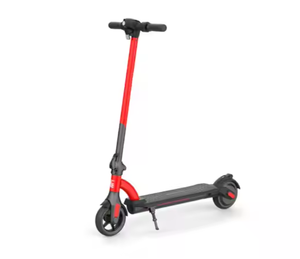
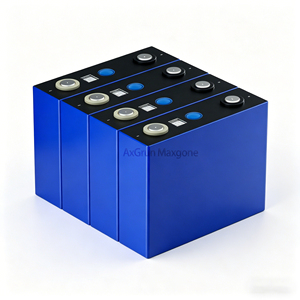
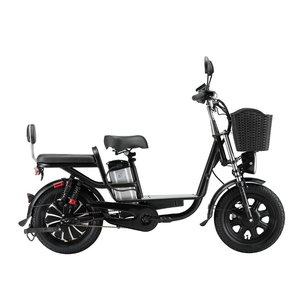
The Kingdom of Saudi Arabia is undergoing a historic green mobility transition. As B2B importers, government procurement entities, and last-mile logistics pioneers scale their micro-mobility fleets, partnering with a proven Chinese tier-1 original equipment manufacturer (OEM) provides an unbeatable competitive edge.
Under the framework of Saudi Vision 2030, the Kingdom has established aggressive sustainability mandates aimed at reaching net-zero carbon emissions by 2060, while reducing urban traffic congestion in tier-1 metropolitan hubs such as Riyadh, Jeddah, Dammam, and Medina. Key mega-developments—including NEOM, The Red Sea Project, Qiddiya, and Diriyah Gate—are designing zero-emission urban transit networks where lightweight electric vehicles, e-scooters, and electric delivery two-wheelers form the bedrock of daily movement.
As the world's absolute leader in electric vehicle technology, battery supply chains, and automated light electric vehicle (LEV) assembly, China produces over 80% of the global electric two-wheeler volume. However, successfully exporting two-wheelers to Saudi Arabia requires far more than shipping off-the-shelf Chinese models. It demands rigorous regional localization, desert-rated heat mitigation, particulate dustproofing, and full alignment with Saudi Standards, Metrology and Quality Organization (SASO) directives.
Standard electric scooters designed for temperate European or East Asian climates frequently experience catastrophic failure when subjected to Saudi Arabia’s harsh summer environment. Ambient pavement temperatures in Riyadh often exceed 60°C, causing conventional NMC (Nickel Manganese Cobalt) lithium batteries to overheat, trigger thermal throttling, or experience accelerated degradation. Furthermore, fine airborne desert dust (PM2.5 to PM10) quickly penetrates poorly sealed motor casings and electronic speed controllers (ESCs).
We deploy high-grade Lithium Iron Phosphate (LiFePO4 / LFP) chemistry across our Saudi-bound electric bikes and heavy battery modules. LFP cells possess a thermal runaway threshold of 270°C (compared to 150°C for standard NMC), ensuring non-combustible safety during high-temperature charging and fast delivery runs in August heat.
Our export models feature fully encapsulated brush-less DC (BLDC) hub motors, potted controllers, and sealed wire-harness junctions. Rated to IP67 dust and water ingress standards, these units prevent sand particle intrusion from causing motor bearing friction or ESC short circuits during shamal dust storms.
Every battery pack exported to KSA includes integrated aluminium extruded heat-sink housing coupled with intelligent Battery Management Systems (BMS). The BMS dynamically adjusts discharge current limits if core cell temperatures exceed 55°C, preventing cell stress while maintaining optimal torque performance.
As a senior OEM exporter, our manufacturing portfolio is custom-configured to serve distinct commercial sectors operating within the Kingdom:
The rapid expansion of hyper-local delivery applications across Saudi cities—such as HungerStation, Jahez, Amazon KSA, Noon, and ToYou—has driven massive demand for high-durability electric commuter two-wheelers. Traditional petrol delivery scooters incur high fuel overhead, frequent engine oil changes every 1,500 km, and noise pollution.
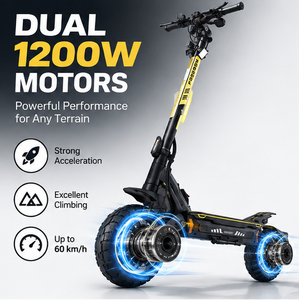
Our heavy-duty delivery models (such as the CE-Certified Open Body Dual-Seat Cargo Electric Scooter and 2000W High-Speed Hub Motor Platforms) feature double-capacity dual battery slots. Courier drivers can swap batteries in under 30 seconds or operate continuously for 120 km on a single shift, reducing fleet operational expenditure by up to 65% per kilometer.
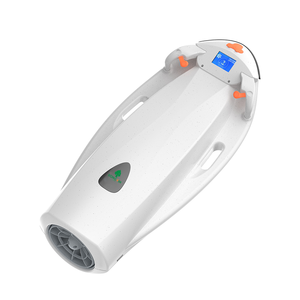
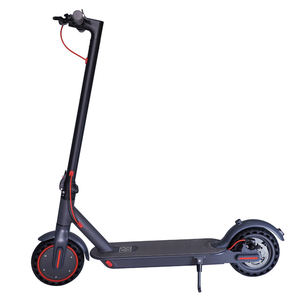
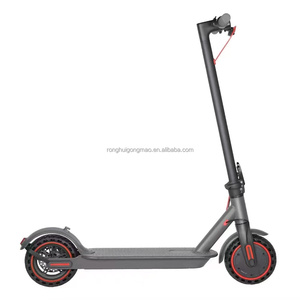
Luxury eco-resorts located along the Red Sea Coast, heritage sites in AlUla, and urban compounds in Riyadh require whisper-quiet, zero-emission personal mobility solutions. Models like our Foldable Smart App-Connected E-Scooters and specialized underwater electric water thrusters provide pristine guest experiences without atmospheric or noise disturbance.
A quantitative 36-month operational analysis based on a fleet of 50 delivery two-wheelers operating in Riyadh (Average 90 km daily run per vehicle).
| Cost Category (50 Vehicles / 36 Months) | Standard 110cc Petrol Scooter Fleet | China OEM Heavy-Duty Electric Scooter Fleet | Fleet Cost Savings (SAR) |
|---|---|---|---|
| Initial Vehicle Acquisition (50 Units) | SAR 325,000 | SAR 360,000 | - SAR 35,000 (Initial Investment) |
| Fuel vs. Electricity Consumption | SAR 283,500 (91 Octane Petrol) | SAR 38,880 (KSA Commercial Tariff) | + SAR 244,620 Saved |
| Engine Oil, Belts, Spark Plugs & Filters | SAR 94,500 | SAR 0 (No Internal Combustion Components) | + SAR 94,500 Saved |
| Brake & Tire Routine Replacement | SAR 36,000 | SAR 27,000 (Regenerative Braking Extends Pad Life) | + SAR 9,000 Saved |
| Total Operational Cost (36 Months) | SAR 739,000 | SAR 425,880 | Net Savings: SAR 313,120 |
*Calculated using KSA Gasoline 91 prices at 2.18 SAR/L vs Commercial Electricity rates at 0.21 SAR/kWh. Includes regular battery cycle replacement provision for LFP pack after 2,500 full charge cycles.
Navigating customs clearance at Saudi ports (such as Jeddah Islamic Port or King Abdulaziz Port in Dammam) requires strict compliance with Saudi technical regulations. As an experienced exporter, our manufacturing processes integrate compliance verification at the assembly line:
Key insights into customs, logistics, technical customizations, and warranty support when importing China electric two-wheelers into KSA.
Partner directly with a premier Chinese electric two-wheeler manufacturer. Access competitive wholesale pricing, custom OEM localization, complete SASO certification support, and robust desert-tested technology.