Heavy-duty zero-emission platforms engineered with cold-resistant LFP batteries, high-torque brushless motors, and reinforced alloy frames for New England terrain.
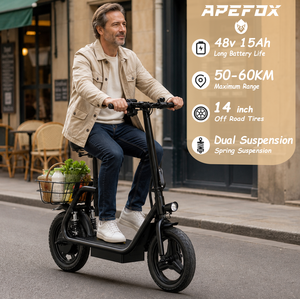
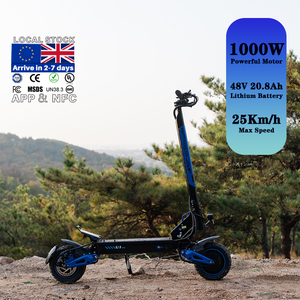
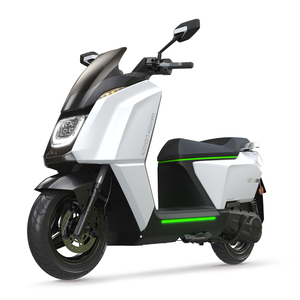
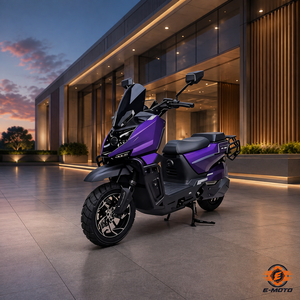
As Greater Boston accelerates its decarbonization goals under municipal frameworks like the Boston Climate Action Plan and the Massachusetts Clean Energy and Climate Plan for 2030, the demand for commercial-grade light electric vehicles (LEVs) has reached an unprecedented high. Commercial fleet operators, last-mile courier networks, university campus security teams, and independent regional dealerships face a complex operational environment. Sourcing electric motorcycles, cargo moped platforms, and micro-mobility scooters requires balancing high thermal battery stability during freezing New England winters with structural durability capable of negotiating historic cobblestone streets, salt-treated pavement, and steep urban topography.
This technical whitepaper provides B2B buyers, importers, and fleet logistics directors in Boston, Cambridge, Quincy, and Somerville with authoritative sourcing criteria for evaluating electric vehicle original equipment manufacturers (OEMs) and exporters. By prioritizing advanced Lithium Iron Phosphate (LFP) battery chemistries, high-torque mid-drive powertrain configurations, and robust structural engineering, global fleet managers can minimize total cost of ownership (TCO) while maintaining 99.4% uptime in demanding operational settings.
Traditional Nickel Manganese Cobalt (NCM) battery packs lose up to 45% of their effective discharge range when ambient temperatures drop below 25°F (-4°C) in Massachusetts. Our specialized OEM manufacturing process integrates intelligent Battery Management Systems (BMS) with self-heating thermal jackets and LFP cells, restricting cold-weather efficiency degradation to under 12% under standard delivery load cycles.
Architectural overview of structural, thermal, and electrical components designed for long-distance durability across Suffolk County.
Unlike standard lithium-ion packs, our Lithium Iron Phosphate (LFP) battery configurations support over 2,000 full charge-discharge cycles while maintaining 80% capacity. Integrated low-temperature sensors regulate current inflow during sub-zero overnight depot charging in Boston ports.
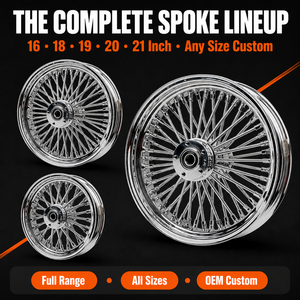
Navigating Boston's historic Beacon Hill cobblestones and post-winter pothole erosion requires enhanced structural resilience. Our vehicles feature 6061 aviation-grade aluminum alloy frames paired with hydraulic triple-shock absorption and 19-inch steel alloy spoke rims.
Coastal salt-fog, heavy slush, and urban rain runoff present severe corrosion risks. Fully sealed IP67 brushless motors and sine-wave vector controllers insulate critical electronics against moisture intrusion and road-salt degradation.
Direct technical comparison of export-grade electric two-wheelers for Boston commercial buyers.
| Model Category | Motor Configuration | Battery Specification | Top Speed | Rated Payload | Primary Boston Application | Compliance Badge |
|---|---|---|---|---|---|---|
| 7500W Mid-Drive Sport | 7500W Mid-Drive Motor | 72V 42Ah Dual Lithium Pack | 110 km/h | 180 kg | Inter-city Commuter / Highway Corridor | DOT / UL Compliant |
| Fleet Delivery Motorcycle | 1200W–2000W Brushless Hub | 60V/72V LFP Modular Pack | 60–80 km/h | 250 kg | Last-Mile Logistics / Food Delivery | Commercial Grade |
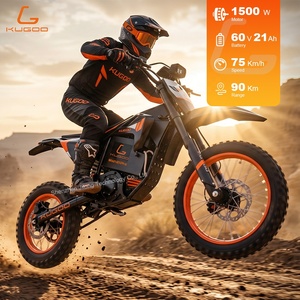
| Dual-Motor Off-Road / MX | 1500W High-Torque Motor | 60V 21Ah Lithium-Ion | 50–60 km/h | 150 kg | Suburban Patrol / University Grounds | All-Terrain |
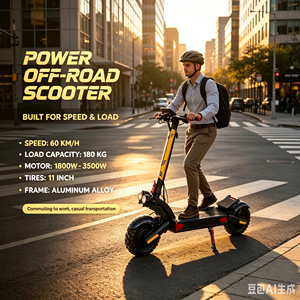
| Foldable City Commuter | 500W–800W Brushless Hub | 48V/60V High-Density Pack | 35–50 km/h | 120 kg | Multi-Modal MBTA Commuter Integration | UL 2272 Certified |
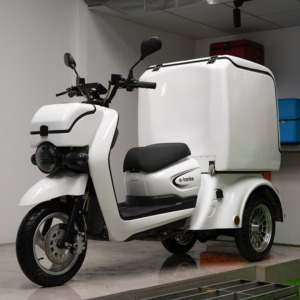
With Boston’s downtown core featuring narrow, congestion-prone arteries like Washington Street and Hanover Street, traditional gas-powered vans face massive delays, parking fines, and strict zero-emission zone restrictions. Commercial delivery firms utilizing our 72V 1200W heavy-duty delivery motorbikes achieve up to 60% faster urban drop-off speeds. Featuring custom rear basket mounts, 250KG rated payload frames, and quick-swap battery bays, courier fleets maintain continuous operational efficiency without needing lengthy mid-shift recharges.
The Greater Boston higher education cluster hosts over 150,000 daily campus commuters traversing extensive pedestrian zones across Cambridge and Allston. Lightweight, foldable e-scooters like the Apefox C14 and mid-range dual-motor units provide seamless mobility across Charles River bridge crossings. Integrated speed-governing firmware allows campus security and mobility administrators to enforce 15 mph zone compliance while ensuring student safety.
As suburban transit corridors expand, high-speed electric motorbikes offer residents an affordable alternative to personal cars or crowded MBTA lines. Delivering top speeds up to 110 km/h with dual 72V battery banks, these platforms effortlessly navigate suburban inclines such as Somerville's Winter Hill while eliminating fuel expenses.
Importing light electric vehicles into Massachusetts requires strict adherence to federal and state regulatory mandates. Procurement managers must verify that all imported inventory aligns with the following safety and legal frameworks:
End-to-end supply chain control, ISO9001 quality assurance, and complete custom engineering capabilities.
From custom 19x2 inch chrome spoke wheel rim hole drilling (36/48 hole patterns) to bespoke fleet branding, frame colorways, and firmware calibration, our manufacturing lines build to your exact specification.
Every electric motor, BMS module, and frame weld undergoes 100% load testing, waterproof submersion verification, and 48-hour continuous vibration analysis before factory packaging.
We supply complete spare parts inventories (controllers, hydraulic brake kits, LFP cells, rims) with guaranteed 72-hour dispatch for maintenance operations to prevent fleet downtime.
Frequently asked questions by North American B2B buyers, fleet managers, and importers.