Engineered for global market compliance, urban fleet operations, high-speed commuting, and off-road mobility. Available for wholesale bulk orders and custom OEM manufacturing.
The global light electric vehicle (LEV) sector is experiencing a structural supply chain shift. International B2B importers, mobility distributors, and commercial fleet managers are actively diversifying their procurement footprint out of traditional East Asian hubs to reduce geopolitical risks, mitigate anti-dumping tariffs, and capitalize on preferential trade agreements.
Vietnam has emerged as the premier manufacturing center in Southeast Asia for wholesale electric motorcycles, mopeds, and delivery bicycles. Driven by robust national industrial policies, favorable EV tax exemptions, zero-tariff export corridors under ASEAN (ATIGA), EVFTA (EU-Vietnam Free Trade Agreement), and CPTPP, Vietnamese OEMs provide unprecedented cost-performance ratios coupled with international quality control compliance.
With an integrated industrial cluster spanning northern manufacturing zones near Haiphong Port and southern technology corridors around Ho Chi Minh City, OEMs in Vietnam specialize in complete knock-down (CKD), semi-knock-down (SKD), and completely built-up (CBU) export models engineered specifically for tropical climates, heavy payloads, and intensive daily duty cycles.

Electric two-wheelers assembled in Vietnam are not generic commuter toys; they are industrial-grade vehicles designed to withstand high humidity, monsoon flooding, tropical thermal loads, and heavy cargo demands.
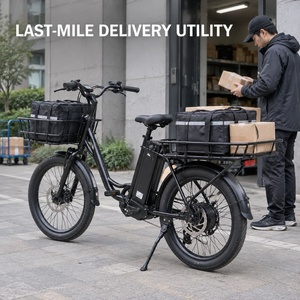
With express delivery platforms like GrabExpress, ShopeeFood, and Beamin dominating urban centers in Hanoi, Da Nang, and Ho Chi Minh City, commercial electric cargo bikes (such as 36V–60V heavy-duty step-throughs) require dual-battery swapping platforms, reinforced rear racks, and hydraulic disc braking systems capable of bringing 200kg payloads to a safe stop on wet asphalt.
Navigating the narrow alleys (ngõ) and congested arterial roads of major metropolises requires high-torque, compact electric scooters equipped with 1600W to 2000W brushless DC (BLDC) hub motors. Integrated NFC digital keys, dual suspension, and responsive electronic braking allow riders to seamlessly bypass gridlock with zero tailpipe emissions.
Island resorts in Phu Quoc, Cat Ba, and coastal towns like Nha Trang are rapidly transitioning to 100% green transport zones. OEMs supply custom-branded, low-maintenance 48V–72V fleet scooters with anti-salt air corrosion coatings, geo-fenced IoT tracking telemetry, and simplified speed limiters for tourist safety.
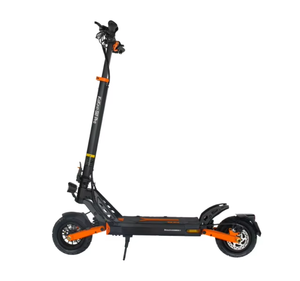
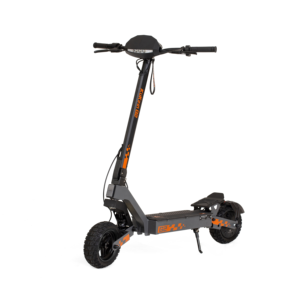
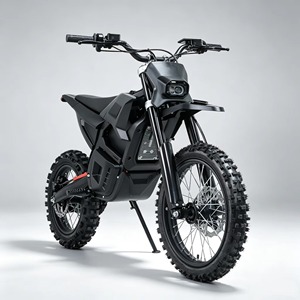
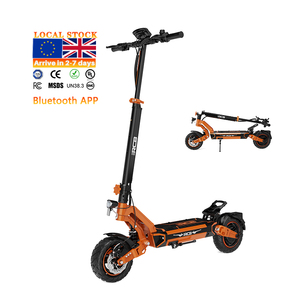
Outside major urban nodes, rural Vietnamese terrain involves unpaved mud tracks, steep gradient mountain routes, and agricultural loads. High-power 6000W 72V enduro dirt bikes and heavy-duty 10-inch off-road e-scooters deliver up to 280 Nm of wheel torque to master demanding cross-country conditions.
Vietnam's severe rainy season demands uncompromising electrical isolation. Vietnamese manufacturing standards specify IP67 ingress protection for motor casings and BMS controller units, potted wiring harnesses, elevated battery cradles, and rust-resistant aluminum alloy chassis components to prevent water ingress during flash floods.
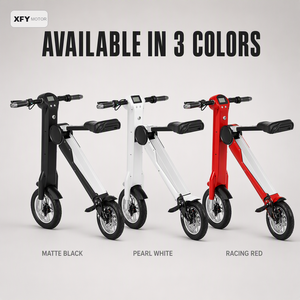
Large industrial parks (such as VSIP, Amata, and Samsung Thai Nguyen campuses) utilize high-capacity folding electric scooters and lightweight pedal-assist e-bikes for internal staff logistics, facility maintenance, and eco-friendly employee shuttle incentives.
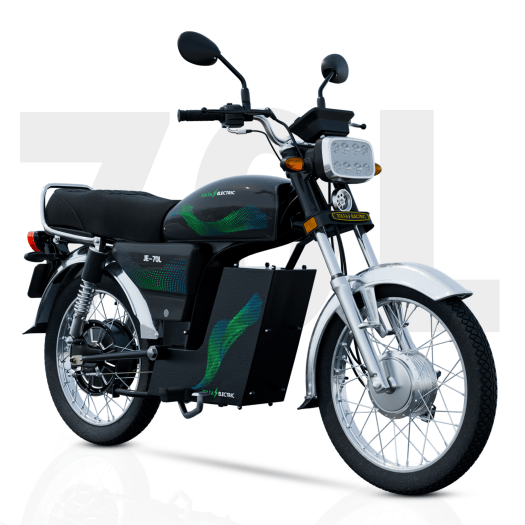
Navigating the Vietnamese supply market requires a deep understanding of current regulatory shifts and technological advancements that influence manufacturing standards.
The Vietnamese government has mandated that by 2030, 100% of newly produced and imported two-wheelers in major urban zones must be electric or green-energy powered, with an outright ban on gas-powered motorbikes in central Hanoi by 2026. This policy has ignited massive domestic component localization and accelerated OEM production scalability.
Traditional lead-acid batteries are being phased out in favor of LFP chemistries due to their exceptional thermal runaway prevention (critical in 40°C+ ambient summer temperatures) and superior calendar life exceeding 2,500 to 3,500 charge cycles.
B2B buyers are increasingly demanding CAN-bus communication protocols, integrated GPS/GPRS tracking, and standardized dual-pack quick-swap mechanisms that seamlessly connect with municipal battery swapping networks.
Compare core technical parameters across primary commercial and consumer electric vehicle categories manufactured in Vietnam OEM plants.
| Vehicle Class | Motor Configuration | Battery Architecture | Top Speed | Max Range | Braking & Safety | Primary Commercial Use |
|---|---|---|---|---|---|---|
| Urban Delivery E-Bike | 350W – 500W Brushless Rear Hub | 36V / 48V 12Ah–20Ah Removable Li-ion | 25 – 35 km/h | 50 – 70 km (PAS) | Dual Hydraulic Disc / Cut-off sensor | Express Delivery, Postal, Cargo |
| City Commuter E-Scooter | 800W – 1600W BLDC Hub Motor | 48V / 60V 21Ah–26Ah LFP / NMC Pack | 45 – 55 km/h | 60 – 80 km | Front Disc / Rear Drum + CBS | Consumer Retail, Shared Mobility |
| High-Speed Traffic Bypass | 2000W Dual Motor / High-Torque Hub | 60V / 72V 38Ah Heavy-Duty LFP | 68 – 80 km/h | 80 – 120 km | Front & Rear Hydraulic Ventilated Disc | Corporate Commute, Fast Highway Transit |
| Heavy Duty Off-Road E-Moto | 6000W Mid-Drive Motor with Chain | 72V 40Ah–50Ah High-Discharge Pack | 75 – 90 km/h | 70 – 100 km | 4-Piston Hydraulic Calipers + EABS | Rental Parks, Security Patrol, Extreme Sport |
Our featured manufacturing partners operate ISO9001:2015 and IATF 16949 certified facilities equipped with automated SMT circuit board mounting lines, robotic frame welding cells, CNC chassis machining, dynamic chassis dynamometers, and climate-controlled battery aging chambers.
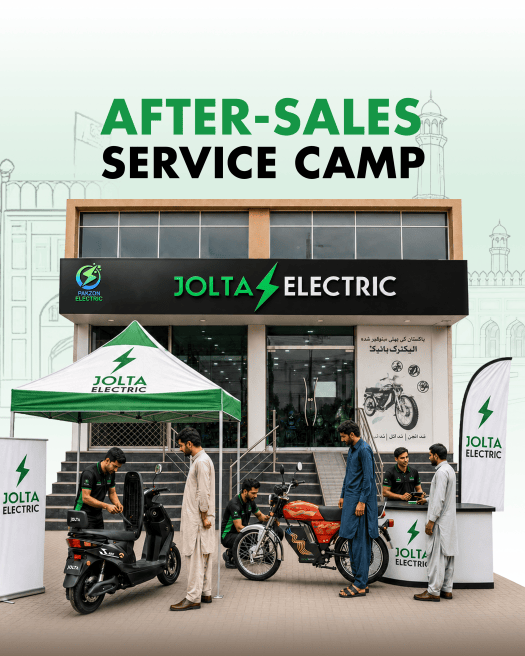
Crucial answers regarding minimum order quantities, import tariffs, battery shipping certifications, custom OEM branding, and post-sales technical support.
CBU (Completely Built-Up): The vehicle is fully assembled, tested, and packaged in a single master crate. Ideal for immediate showroom resale, though container loading density is lower (approx. 50–70 units per 40HQ container).
SKD (Semi-Knock-Down): The main chassis, rear wheel/motor assembly, and electrical harness are pre-installed; front fork, handlebars, and front wheel are detached. Increases container density by 30-40%.
CKD (Completely Knock-Down): All components are shipped as individual sub-assemblies. Maximizes shipping density (up to 180–250 units per 40HQ) and drastically lowers import tariffs in countries with domestic assembly incentives, requiring local assembly tooling and technical labor.
Expand your market presence with high-performance, cost-competitive electric motorcycles and scooters engineered to international quality standards.
Contact Us